
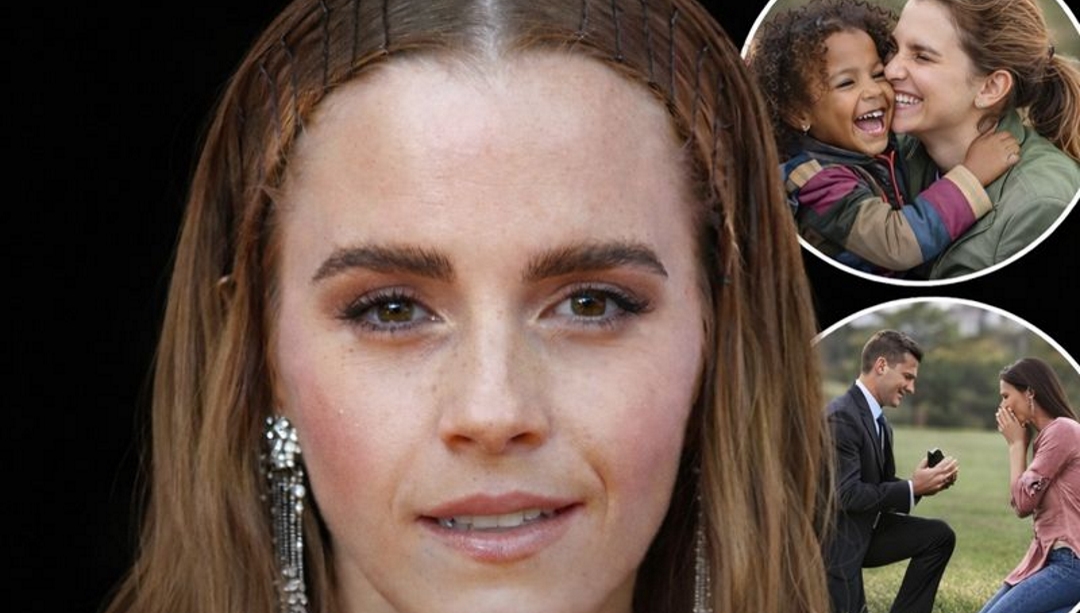
It started with a single phrase, delivered calmly and without theatrics. When Emma Watson described herself as “self-partnered,” it wasn’t meant to ignite a cultural debate. But within hours, that wording rippled across timelines, group chats, and opinion columns, touching a nerve that felt both deeply personal and unexpectedly universal.
Watson wasn’t rejecting romance, nor was she dismissing the idea of long-term commitment. Instead, she framed her life as one built on stability, self-trust, and emotional grounding, regardless of relationship status. For many listeners, the comment landed like permission they didn’t know they were waiting for.
The reaction was swift. Some applauded the honesty, while others bristled at what they perceived as a rebranding of being single. Yet the phrase stuck, partly because it captured something already happening beneath the surface. Studies on adult happiness patterns, like recent findings on solo fulfillment, suggest that traditional milestones are no longer the sole markers of a meaningful life.
Watson later clarified that the term came from a place of contentment, not defensiveness. Approaching her thirties, she said she felt settled in ways she hadn’t before, rooted in routine, purpose, and self-respect. That framing resonated with people navigating similar transitions, especially those who felt pressure to “keep up” with societal timelines.
What made the moment powerful wasn’t celebrity gloss, but relatability. Many people recognized themselves in her description of building a life first, then welcoming partnership as an addition rather than a foundation. Sociologists have noted this shift in broader reporting on relationship norms, pointing out that autonomy has become central to modern intimacy.
Critics argued that the phrase was unnecessary, that being single needs no rebrand. But supporters countered that language shapes experience. For some, “self-partnered” reframed solitude as choice rather than absence. That distinction, subtle as it seems, carried emotional weight.
“Self-partnered” isn’t about rejecting love. It’s about not postponing life while waiting for it. — Relationship Notes (@RelateNotes) January 2026
The discussion also highlighted how expectations still fall unevenly. Public figures, especially women, are routinely asked to justify their personal lives in ways their male counterparts are not. Commentary analyzing this double standard, such as long-form cultural essays, suggests Watson’s comment cut through because it named that pressure without directly confronting it.
At the same time, the phrase wasn’t meant as a manifesto. Watson emphasized growth, curiosity, and openness to change. Her point was less about permanence and more about presence — being fully engaged in one’s own life, wherever it happens to be.
For younger audiences, the idea landed differently. Some saw it as validation to slow down and build self-knowledge before coupling up. Others felt relieved to hear a public figure articulate something they felt but couldn’t quite phrase. That emotional response mirrors patterns described in analysis of singlehood in the modern era, where fulfillment increasingly comes from layered identities rather than one defining role.
Language matters. When we name our choices, we take ownership of them. — Social Lens (@SocialLensNow) January 2026
Ultimately, the conversation outgrew Watson herself. It became a mirror reflecting how people negotiate independence, intimacy, and expectation. Whether one embraces the term or not, its impact lies in the space it opened — a space where contentment doesn’t require explanation and where partnership, when it comes, is additive rather than corrective.
In that sense, the phrase endured not because it was clever, but because it felt true to a moment many are living through. A quiet acknowledgment that a full life doesn’t begin at the altar or end in solitude, but unfolds wherever intention, connection, and self-respect meet.