Following Epstein’s death in federal custody in August 2019 — officially ruled a suicide — public skepticism intensified. A review conducted by the U.S. Department of Justice identified procedural failures at the detention facility but did not find evidence contradicting the medical examiner’s conclusion.
Since then, the Epstein case has continued to surface in political discourse, often accompanied by renewed calls for transparency regarding sealed documents and investigative materials.
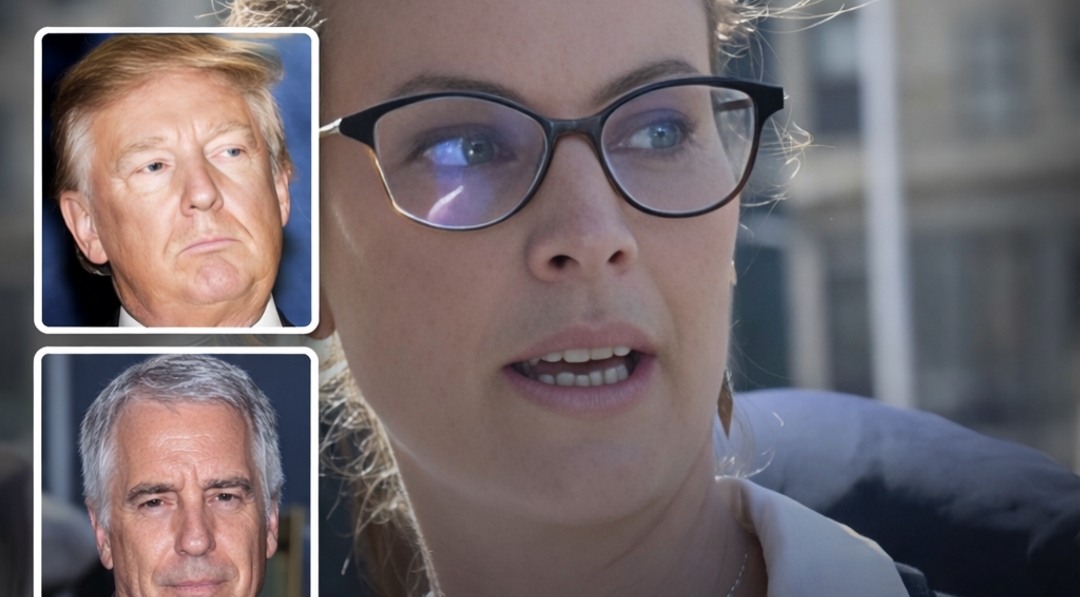
The accuser’s recent statement did not specify where the alleged recordings are located, whether they were seized by federal authorities, or whether they have been presented to investigators. No court has referenced such tapes in public filings related to the Epstein prosecution.
Representatives for Trump have dismissed similar allegations in the past as politically motivated and lacking evidentiary support. They maintain that no investigation has produced charges against him in connection with Epstein’s crimes.
Advocates for Epstein’s victims argue that full transparency remains essential. They say releasing all relevant documents — with appropriate protections for victims — would help resolve lingering public doubts.
However, legal experts emphasize that any material with potential criminal implications would require rigorous authentication and due process before it could influence legal or political outcomes.
The Epstein saga remains one of the most scrutinized criminal cases in recent memory, in part because of the high-profile individuals who crossed paths with the financier. Allegations involving recordings, blackmail, or hidden files have become recurring themes in public discussion.