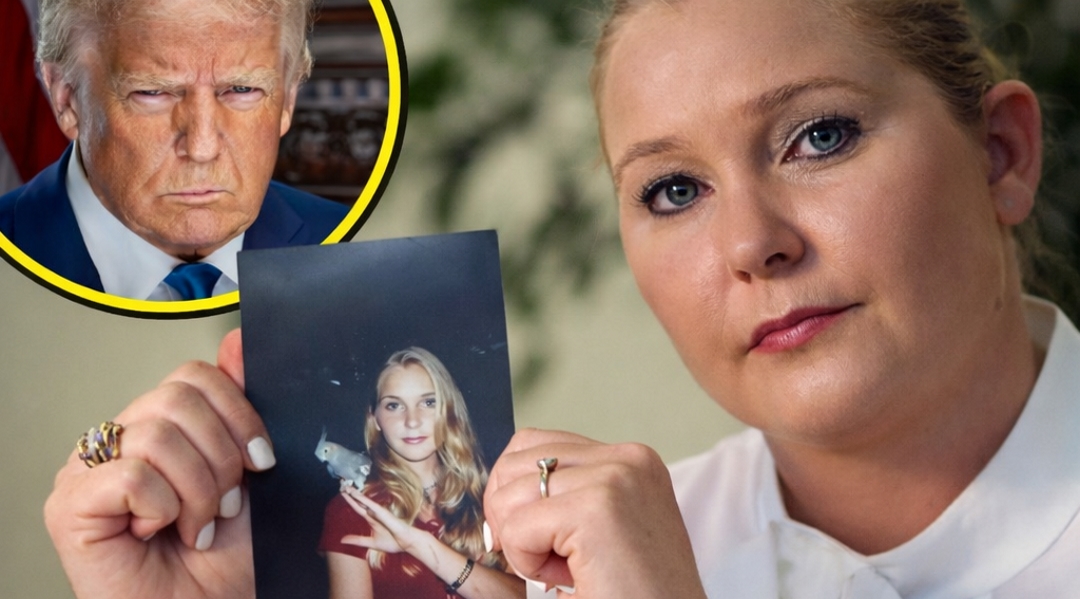
The accuser’s comments come at a time when Epstein’s legacy continues to cast a long shadow over American politics. His death in a federal jail in August 2019 was officially ruled a suicide, yet the circumstances surrounding it have fueled persistent conspiracy theories. Coverage from The Associated Press reviewing the official findings into Epstein’s death highlights how multiple investigations concluded there was no evidence of foul play, despite widespread public suspicion.
Legal experts caution that allegations alone do not constitute evidence. For any such recordings to have legal consequences, they would need to be authenticated, verified, and shown to contain incriminating material. Without that, the claims remain speculative.
Trump allies moved quickly to dismiss the allegation as politically motivated. Several former administration officials argued that if such material existed and contained actionable evidence, it would likely have surfaced during prior investigations. They emphasized that federal prosecutors, congressional committees, and journalists have spent years examining every possible connection between Epstein and prominent public figures.
At the same time, critics argue that the public has never seen the full scope of the evidence collected from Epstein’s properties. They point out that many documents remain sealed in court proceedings tied to civil lawsuits and criminal cases involving his associates. That gap in public knowledge leaves room for continued speculation.
The mention of potential impeachment adds another layer of political drama. Under the Constitution, impeachment requires a majority vote in the House of Representatives and a two-thirds vote in the Senate for removal. It is a political process rather than a criminal one, meaning it depends heavily on the balance of power in Congress and the prevailing political climate.
Trump has already faced impeachment twice during his presidency, though he was acquitted by the Senate on both occasions. Any new effort would require substantial evidence and political consensus, both of which appear distant in the current environment.
The broader issue is how unverified claims can shape public discourse. In the digital age, allegations spread rapidly, often outpacing fact-checking efforts. Even when claims lack documentation, they can influence public perception and deepen partisan divides.