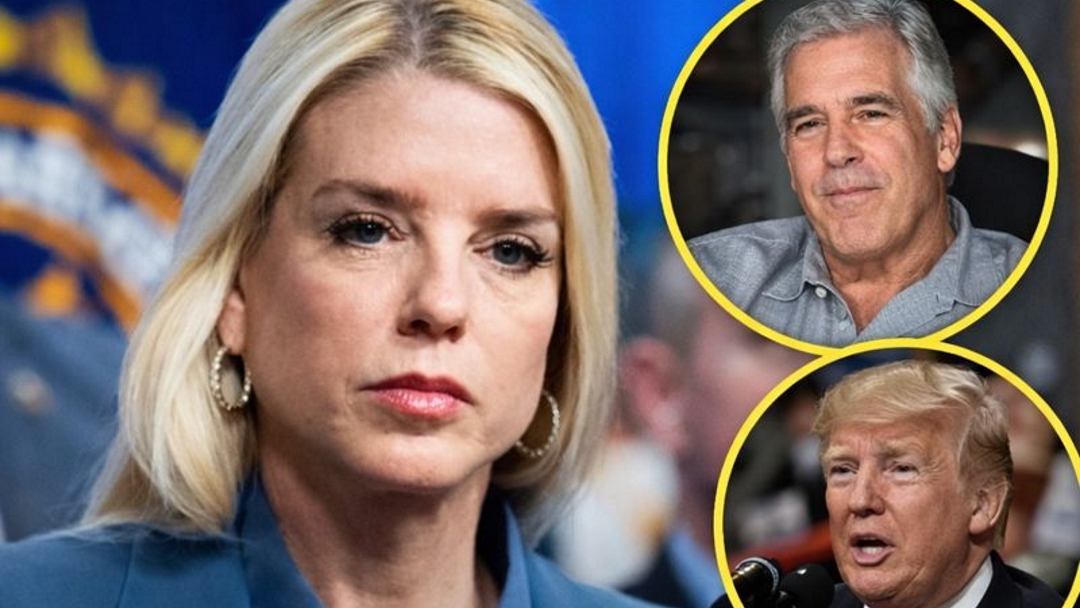
The image is stark and deliberate. A serious-faced official at a podium, with smaller cutouts of Donald Trump and Jeffrey Epstein hovering nearby, framed by a headline that suggests what many have long suspected: the full release of Epstein-related files may not happen anytime soon.
That suspicion is no longer confined to internet speculation. In recent weeks, court filings, legal commentary, and public statements have confirmed that large portions of records tied to Jeffrey Epstein’s network remain sealed, delayed, or heavily redacted — and that political timing may be a factor.
At the center of the issue are thousands of pages of documents connected to civil litigation, federal investigations, and sealed grand jury materials. While some records have been unsealed following sustained pressure, others remain protected due to ongoing legal arguments over privacy, national security, and potential political fallout, according to recent court reporting.
Legal experts say the problem isn’t a single decision, but a layered system of delays. Some files fall under grand jury secrecy rules. Others involve unnamed third parties who have not been charged. And some, critics argue, are being slow-walked to avoid destabilizing consequences while Donald Trump remains in office.
That concern intensified after comments from former federal prosecutors and transparency advocates who noted that administrations — regardless of party — historically avoid releasing explosive material that could implicate powerful figures during a sitting presidency. One former DOJ official described it as “institutional risk aversion,” a dynamic explained further in an analysis of Justice Department decision-making.
People expecting a clean Epstein document dump during an election cycle are ignoring how the system actually works. — Legal Affairs (@LegalAffairsNow) January 2026
Donald Trump’s name has appeared in past reporting related to Epstein, though no criminal charges have ever been filed against him in connection with Epstein’s crimes. Trump has said he cut ties with Epstein years before his arrest, a claim echoed in multiple timelines examining their association. Still, transparency advocates argue that the public deserves full access to all records, regardless of who is named.
Advocacy groups representing Epstein survivors say the delays feel like a continuation of the same system that protected Epstein for decades. Several survivors have publicly stated that sealing records under the guise of “privacy” often benefits the powerful more than the victims. That frustration was voiced again after a judge ruled to keep certain exhibits sealed pending further review, as outlined in recent courtroom coverage.
Behind the scenes, courts are balancing competing demands: public access versus legal exposure. Some documents include names of people who were interviewed but never charged. Others reference intelligence-sharing agreements with foreign governments. Releasing them prematurely, judges argue, could invite lawsuits or diplomatic complications.
But critics counter that this logic has been used repeatedly to delay accountability. Epstein himself avoided meaningful punishment for years, shielded by non-prosecution agreements and sealed records. To many observers, every delay reinforces the belief that the truth is being managed, not revealed.
Transparency delayed is trust denied. The Epstein files are a test the system keeps failing. — Court Watch (@CourtWatchers) January 2026
Officials familiar with the process say more disclosures are inevitable — just not soon. Several motions currently before federal courts could result in additional releases after appeals are resolved. Others are reportedly being held until political leadership changes, when the institutional pressure to contain fallout eases.
For now, the Epstein files exist in a limbo that satisfies no one. Survivors want closure. The public wants answers. And the justice system continues to move at a pace that feels painfully slow when measured against the scale of the crimes involved.
Whether the full truth emerges before or after Trump leaves office remains uncertain. What is clear is that the longer these records stay sealed, the louder the demand for transparency becomes — and the harder it will be to justify continued silence.