Epstein’s Alleged Final Letter Reopens Old Wounds After Trump’s Name Surfaces
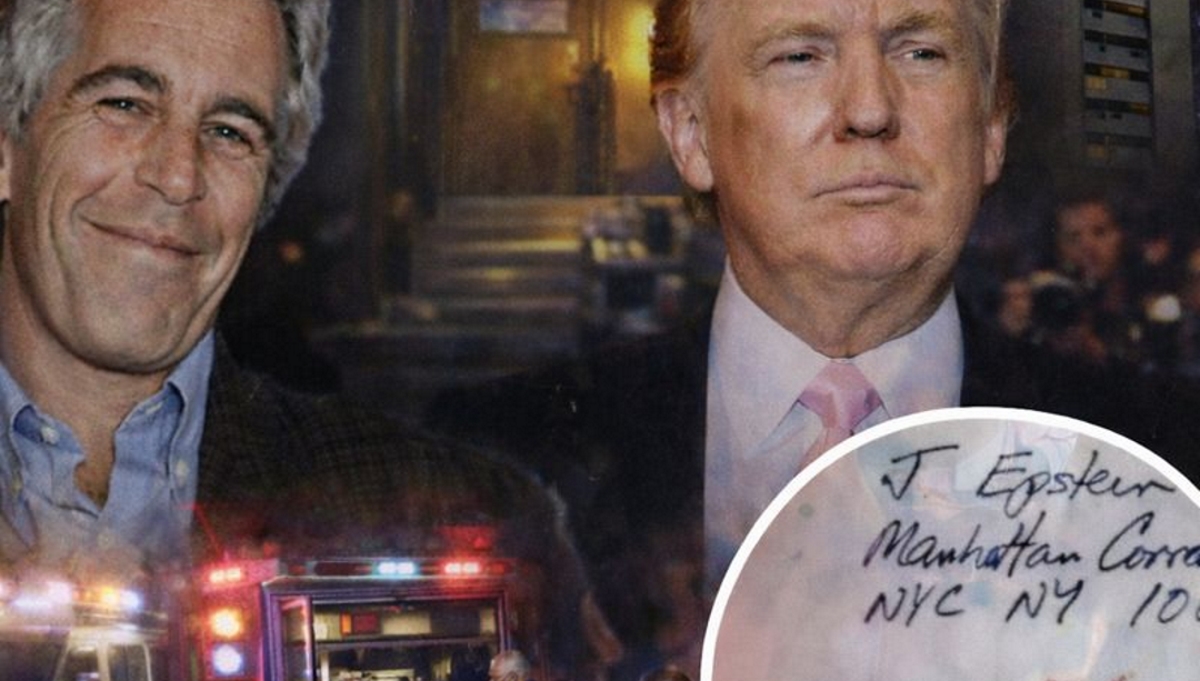
An alleged final letter attributed to Jeffrey Epstein has resurfaced online, igniting renewed controversy after references to Donald Trump began circulating across social media. The document, which has not been independently verified by authorities, has nonetheless reopened unresolved questions about Epstein’s past relationships and how deeply his influence once reached.
The letter reportedly dates back to Epstein’s final weeks in federal custody. It did not emerge through any official channel, but rather through screenshots shared by anonymous users, quickly spreading as readers scrutinized its tone and implications. Despite the rapid circulation, no law enforcement agency has confirmed the letter’s authenticity or incorporated it into any formal finding.
What has fueled the reaction is not a direct accusation, but the suggestion that Epstein believed his proximity to powerful figures insulated him from consequences. That belief mirrors patterns documented long before his death, including how he cultivated status and access in elite circles. Those dynamics were explored extensively in earlier investigative work, such as the reporting that exposed how Epstein operated.
Donald Trump has acknowledged knowing Epstein socially in the 1990s, but has repeatedly said he cut ties years before Epstein’s criminal cases came to light. He has denied any involvement in Epstein’s crimes and has not issued a new statement regarding the resurfaced letter. No court filings or prosecutors have cited the document as evidence.
Legal experts urge caution, stressing that unverified prison correspondence should never be treated as factual proof. Inmates often write letters shaped by grievance, exaggeration, or self-mythology rather than accuracy. Without corroboration, such material offers insight into mindset, not truth — a distinction outlined in legal analysis on interpreting inmate writings.
Supporters of Trump argue the letter is being used to revive suspicion without evidence, noting that Epstein’s name has repeatedly been leveraged to cast shadows over public figures without producing charges. They see the renewed attention as political recycling rather than meaningful disclosure.
Critics counter that the focus should not be on whether a single letter proves guilt, but on what Epstein’s worldview reveals. To them, the document reinforces how confidently he navigated elite spaces and believed himself untouchable — a systemic failure discussed in essays examining power and protection.
Advocacy groups for survivors have urged the public to avoid turning every Epstein-related development into a celebrity-centered spectacle. They warn that fixation on famous names can eclipse the harm suffered by victims and distract from accountability where it truly matters, a concern echoed in guidance from survivor advocates.
The Department of Justice has not commented on the letter, and historically avoids addressing unverified or archival material unless compelled by legal action. That silence has contributed to ongoing speculation, but analysts note that absence of comment does not imply validation.
What remains clear is why Epstein-related material continues to trigger intense reaction. Each new fragment — authenticated or not — reopens unanswered questions about how warnings were missed and how influence distorted accountability. At the same time, conflating implication with accusation risks muddying the historical record rather than clarifying it.
As the alleged letter continues to circulate, it functions less as evidence and more as a reminder of unfinished business. The Epstein case still lacks closure in the public mind, and every resurfaced document rekindles distrust without delivering resolution.
Until remaining records are examined with full context and verified facts, Epstein’s shadow will continue to return — not because of what is proven, but because too much still feels unresolved.