
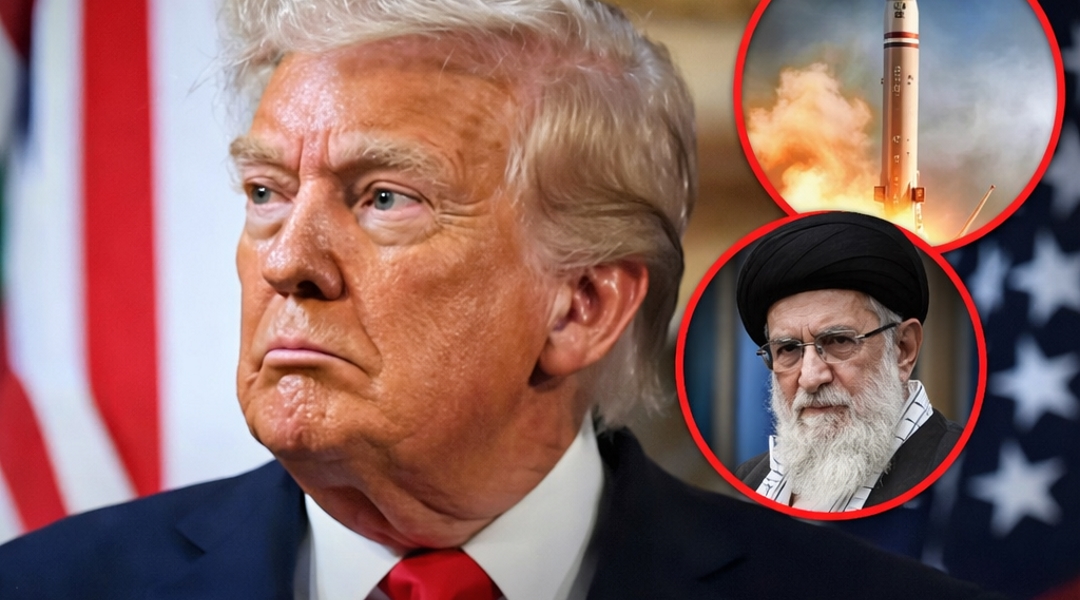
A fresh wave of political rhetoric between Iran and former U.S. president Donald Trump is drawing renewed attention to the fragile and often volatile relationship between Washington and Tehran, a rivalry that has shaped Middle East geopolitics for decades.
Recent statements attributed to Iranian officials have been widely interpreted by analysts as part of a broader pattern of aggressive messaging that often accompanies periods of heightened regional tension. While such rhetoric is not new, experts say the language reflects how strained the relationship remains years after major diplomatic agreements collapsed.
At the center of the tension is the legacy of decisions made during Trump’s presidency, particularly the 2018 withdrawal of the United States from the Iran nuclear agreement. That move triggered sweeping sanctions against Iran and marked a turning point in relations between the two countries.
Iranian leaders condemned the withdrawal at the time, warning it would destabilize the region and damage diplomatic trust. The years that followed saw a series of confrontations ranging from sanctions battles to military incidents involving regional allies.
Perhaps the most consequential moment came in January 2020.
That was when a U.S. drone strike ordered by the Trump administration killed Iranian General Qassem Soleimani near Baghdad International Airport. The strike was described by U.S. officials as a defensive action, while Iran called it an act of war.
Days later, Iran launched retaliatory missile strikes on bases housing American troops in Iraq, a move that raised fears of a wider military conflict before tensions gradually cooled.
Security analysts say the rhetoric seen today must be understood within that history.
“When leaders exchange threats, it’s often part messaging, part deterrence,” one Middle East policy specialist explained. “These statements are frequently intended as much for domestic audiences as for foreign governments.”
Trump has continued to defend his administration’s Iran strategy, arguing that economic pressure and military deterrence prevented larger conflicts. Critics, however, have argued the approach increased instability and risked unintended escalation.
Meanwhile, tensions between Iran and Israel — a key U.S. ally — have also intensified in recent years, further complicating the geopolitical picture.
The broader region remains a complex web of rivalries, proxy conflicts, and strategic alliances where even rhetorical confrontations can have real consequences.
Foreign policy experts note that strong language between adversaries does not always translate into direct action, but it can increase the risk of miscalculation if communication channels break down.
Diplomatic observers say the most important factor in preventing escalation often happens behind the scenes, through intelligence contacts and quiet negotiations rarely visible to the public.
For now, the latest exchange appears to be another chapter in a long-running political standoff rather than an immediate shift toward confrontation.
Still, the episode underscores how quickly tensions between major geopolitical rivals can return to the headlines — and how unresolved disputes from past crises continue to shape the present.
As global attention remains fixed on developments in the Middle East, analysts say the real question is not just what leaders say publicly, but what actions follow behind the scenes.