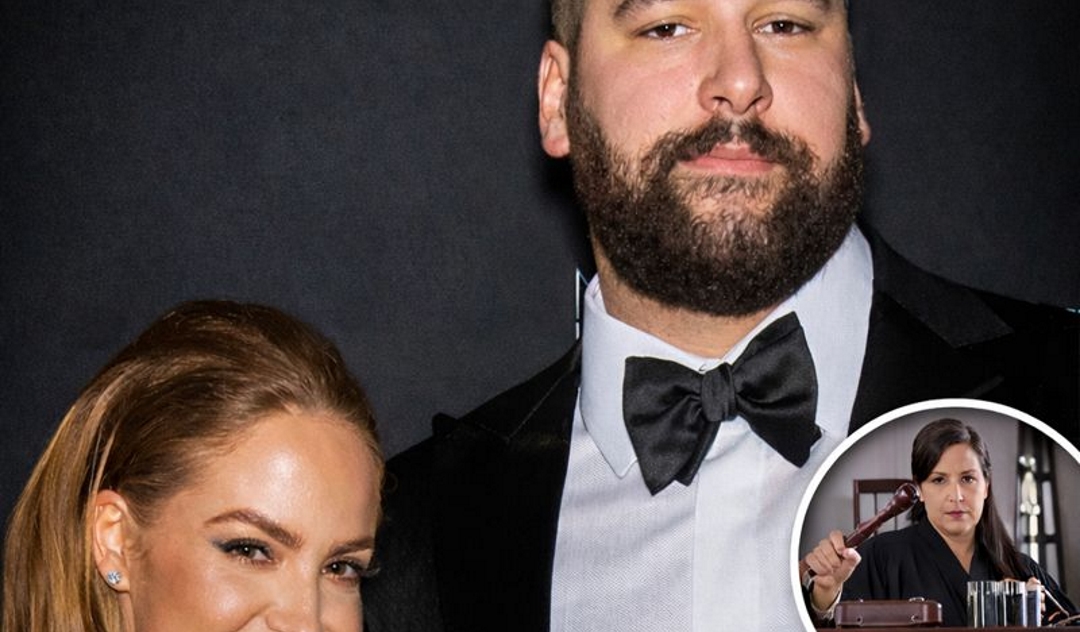
The former NFL player, whose career once placed him firmly in the public eye, claims the remarks resurfaced old wounds and subjected him to renewed ridicule. According to the complaint, the statements allegedly spread rapidly through social media and online forums, amplifying their impact far beyond any original conversation.
Supporters of the ex-wife argue that the lawsuit reflects a broader trend of celebrities and public figures using the courts to control narratives after messy breakups. They point out that the couple’s relationship had already been discussed publicly for years, raising questions about where personal boundaries should be drawn once private lives become public discourse.
Others counter that no amount of fame justifies explicit commentary about a person’s body, particularly when made without consent. Advocacy groups focused on harassment and digital abuse say the case highlights the growing legal gray area surrounding post-relationship disclosures in the social media age.
The judge has not yet ruled on the request, but the case is expected to hinge on whether the remarks are deemed opinion, protected speech, or actionable misconduct. Similar celebrity disputes have shown how courts increasingly weigh free expression against personal dignity, a balance examined in a broader look at high-profile privacy lawsuits.
For now, both sides are preparing for the next phase of legal arguments, with the outcome likely to influence how far courts are willing to go in policing personal speech after public relationships collapse.