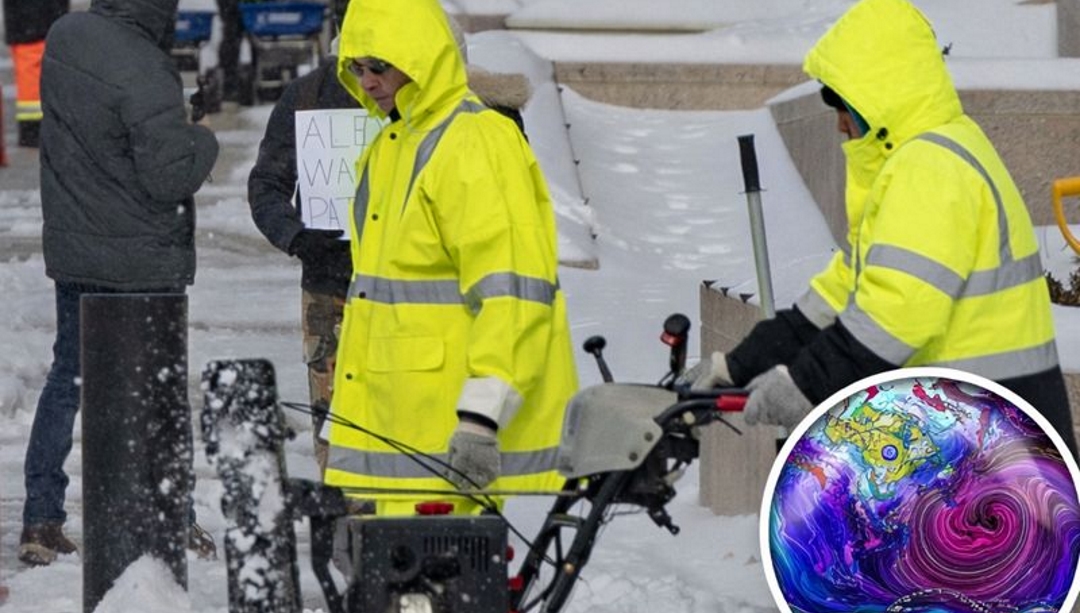
Wind will be a major factor. Gusts accompanying the cold front are expected to significantly worsen wind chill values, making exposed skin vulnerable almost immediately. Experts warn that even brief outdoor exposure without proper protection could be dangerous.
City officials and emergency managers are already preparing for potential impacts. In past Arctic outbreaks, similar conditions have led to power outages, frozen infrastructure, and overwhelmed emergency services.
Energy demand is also expected to surge as households and businesses crank up heating systems. Utility companies are monitoring the situation closely, as extreme cold can strain power grids and increase the risk of outages, especially in areas not accustomed to sustained subzero temperatures.
Transportation could be severely affected. Snowfall combined with extreme cold often leads to icy roads, mechanical failures, and flight disruptions. Airlines typically begin adjusting schedules days in advance when Arctic air masses threaten major hubs.
Health officials are urging the public to take the warnings seriously. Hypothermia and frostbite are among the most immediate concerns, particularly for vulnerable populations such as the elderly, children, and those without reliable heating.
Experts stress that preparation is key. Stocking up on essential supplies, checking heating systems, insulating exposed pipes, and limiting unnecessary travel can significantly reduce risk during extreme cold events.
Pet owners are also being advised to keep animals indoors whenever possible. Veterinary experts warn that pets can suffer frostbite and hypothermia just as quickly as humans under these conditions.
Meteorologists note that while the term “Arctic hurricane” is informal, it reflects the intensity and scale of the system. The combination of bitter cold, strong winds, and widespread impact makes this event more severe than an average winter storm.
Climate researchers point out that extreme cold outbreaks can still occur even as global temperatures rise. Changes in atmospheric circulation may actually increase the likelihood of sudden, intense cold snaps in certain regions.
As the system develops, forecasts will continue to be refined. Residents in affected areas are encouraged to monitor official updates closely and follow guidance from local authorities.
Up-to-date warnings and temperature forecasts can be found through the National Weather Service, which is tracking the Arctic air mass and issuing advisories as conditions evolve.
Additional analysis on polar vortex behavior and extreme cold events is available via NOAA’s climate and weather resources, which explain how these systems form and why they can be so dangerous.
Experts emphasize that extreme cold should never be underestimated. While snowstorms often capture public attention, prolonged subzero temperatures can be just as deadly, if not more so.
With the Arctic outbreak expected to intensify over the coming days, officials are urging people to prepare now, stay informed, and prioritize safety as winter shows its most severe side.