
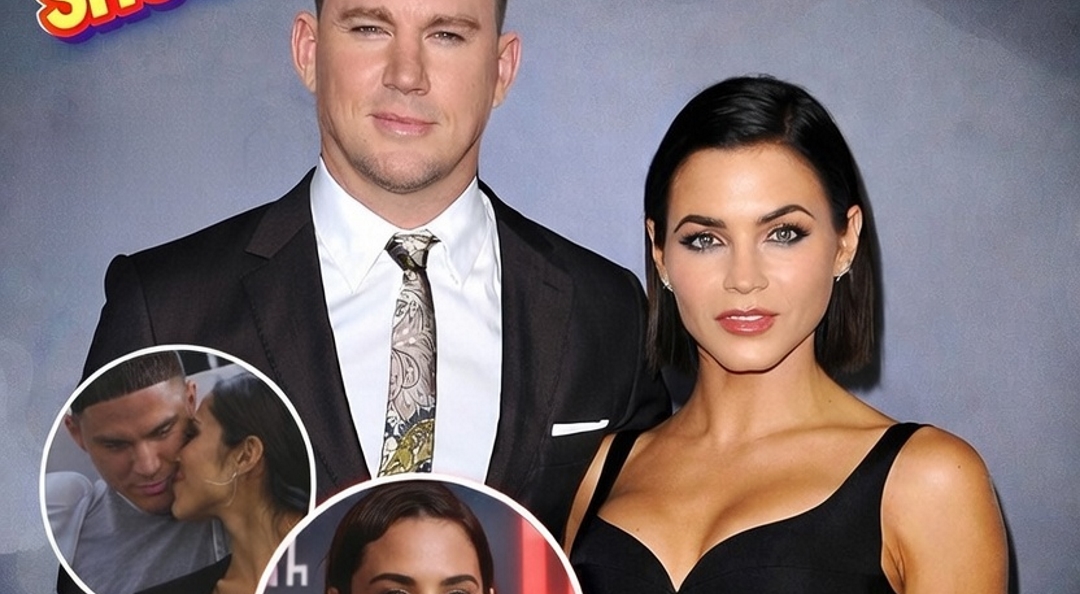
The internet has a way of turning celebrity relationships into cultural flashpoints, and Channing Tatum’s latest romantic connection has done exactly that. What might otherwise have been treated as a quiet, low-key dating update quickly escalated into widespread discussion, debate, and visible discomfort among fans who didn’t expect this particular pairing.
Tatum, long known for his affable public persona and heartthrob status, has been relatively private about his personal life in recent years. After a high-profile marriage and divorce, followed by another relationship that ended amicably, many assumed his next chapter would unfold discreetly. Instead, news of who he is currently seeing spread rapidly and triggered a strong emotional response online.
Social media platforms lit up within hours of the relationship becoming public. Some fans expressed surprise, others confusion, and a noticeable number admitted they felt uneasy once they connected the dots about his new partner’s background, career trajectory, and past public image.
The discomfort doesn’t appear rooted in scandal or wrongdoing, but rather in expectation versus reality. For years, fans have projected a particular romantic narrative onto Tatum, shaped by his film roles, interviews, and perceived personality. When real life diverged from that imagined version, the reaction was swift.
Online comments ranged from mild disappointment to more pointed criticism, with many users questioning compatibility and timing. Others defended Tatum’s right to date freely, pointing out that celebrity relationships rarely fit neatly into fan-constructed ideals.
What complicates matters is that his new partner is not unknown to the public. She has her own established career, public image, and history that some fans are only now learning about. As that information circulated, reactions intensified, particularly among those who felt blindsided by the pairing.
Celebrity culture experts note that this kind of reaction is increasingly common. Fans often feel a sense of emotional investment in public figures, especially those who cultivate relatability. When a star’s personal choices clash with audience expectations, the response can feel oddly personal.
In Tatum’s case, the reaction also reflects lingering attachment to his past relationships. His previous partners were widely embraced by fans, creating a benchmark that any new relationship would inevitably be measured against.
Despite the noise, neither Tatum nor his partner has addressed the backlash directly. Those close to the actor suggest he is focused on maintaining balance between his work, personal life, and parenting responsibilities, rather than engaging with online speculation.
Industry insiders point out that celebrities have increasingly learned that responding to every wave of criticism only fuels further scrutiny. Silence, in many cases, allows public reaction to cool naturally.
From a broader perspective, the situation highlights how deeply audiences feel entitled to weigh in on celebrity relationships. While public figures accept a degree of visibility, the emotional intensity of fan reactions often says more about collective expectations than the relationship itself.
Entertainment analysts have noted that similar fan discomfort has surfaced in recent years whenever actors date someone outside their perceived “type.” As discussed in a broader analysis of celebrity relationships published by Vulture’s exploration of fan culture, audiences often struggle when reality disrupts carefully curated narratives.
Others have pointed out that discomfort does not necessarily equal disapproval. For many fans, the reaction seems rooted in surprise and recalibration rather than hostility. Once the initial shock fades, interest typically shifts back to the actor’s work.
Tatum himself remains professionally busy, with multiple film projects in development and continued involvement in producing. Those close to him say he views this phase of his life as one centered on growth rather than public validation.
Meanwhile, conversations online continue to evolve. Some fans who initially reacted negatively have since walked back their comments, acknowledging that personal discomfort shouldn’t dictate someone else’s happiness.
Psychologists who study parasocial relationships note that moments like this can be revealing. Fans may unconsciously build emotional bonds with celebrities, leading to feelings of betrayal or unease when those figures make unexpected personal choices.
As one cultural commentator explained in a recent discussion on modern celebrity dynamics, outlined by Psychology Today’s examination of parasocial bonds, these reactions are less about the celebrity and more about the audience processing change.
Ultimately, Tatum’s dating life is unlikely to remain a dominant topic for long. As new headlines emerge and attention shifts elsewhere, the current discomfort will likely soften into quiet acceptance.
For now, the episode serves as another reminder of how fame blurs the line between public interest and private life. While fans may feel entitled to opinions, relationships remain deeply personal, even when they unfold under a global spotlight.
Whether embraced or questioned, Tatum’s latest relationship underscores a familiar truth in celebrity culture: real lives rarely align perfectly with fan expectations, and that disconnect often sparks the loudest conversations.