
It began like the kind of friendship people don’t question. A familiar face in the kitchen. A man who knew the family routines, the neighborhood rhythms, the small details that make someone feel safe enough to stop watching the door. In some communities, that kind of closeness is treated like proof of character—until one moment comes along and turns every memory into something poisonous.
According to reports from Russia, a father became convinced a family friend had abused his young daughter, and what happened next has been described as one of the most chilling vigilante episodes in recent years. The allegations, the shock, and the father’s response—forcing the man into the woods and making him dig a grave—have split public opinion into angry camps, each arguing about justice, revenge, and what society does when it believes the system will never feel “enough.”
The case has circulated widely because it contains the kind of details that people can’t stop picturing. Not just the violence, but the intimacy of betrayal: a friend trusted around children, a home that should have been the safest place in the world, and a father who says he discovered something that made him feel like the ground beneath his family had cracked open.
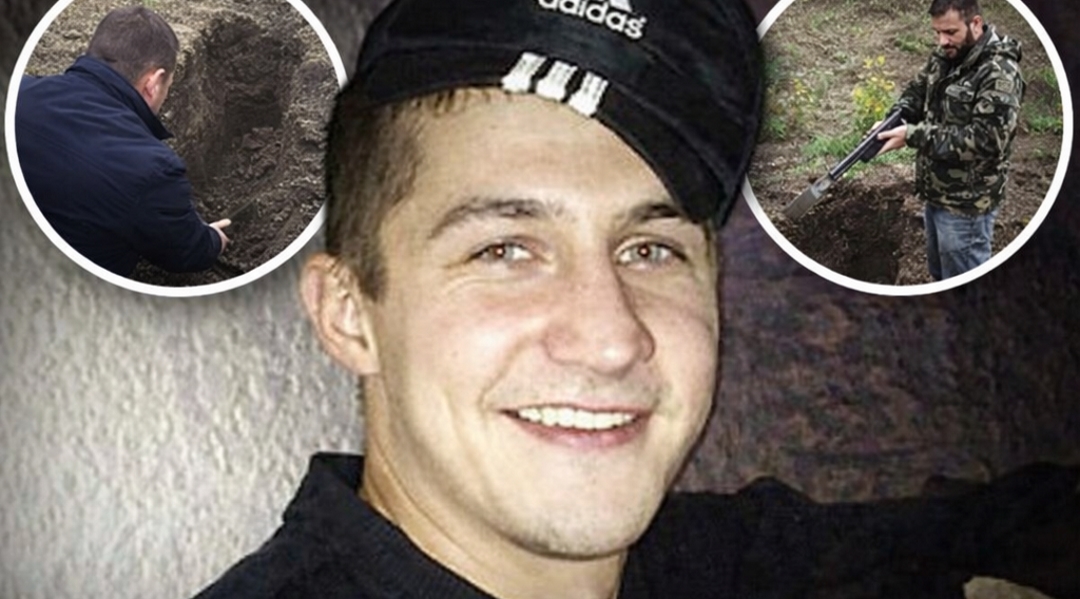
One of the hardest parts to read, even in the most restrained accounts, is the idea that the father believed there was evidence—something seen or heard—that convinced him the worst had happened. The story’s public versions vary in specifics, but the central narrative stays the same: the father confronted the friend, forced him out to a remote area, and made him dig what looked like his own burial site.