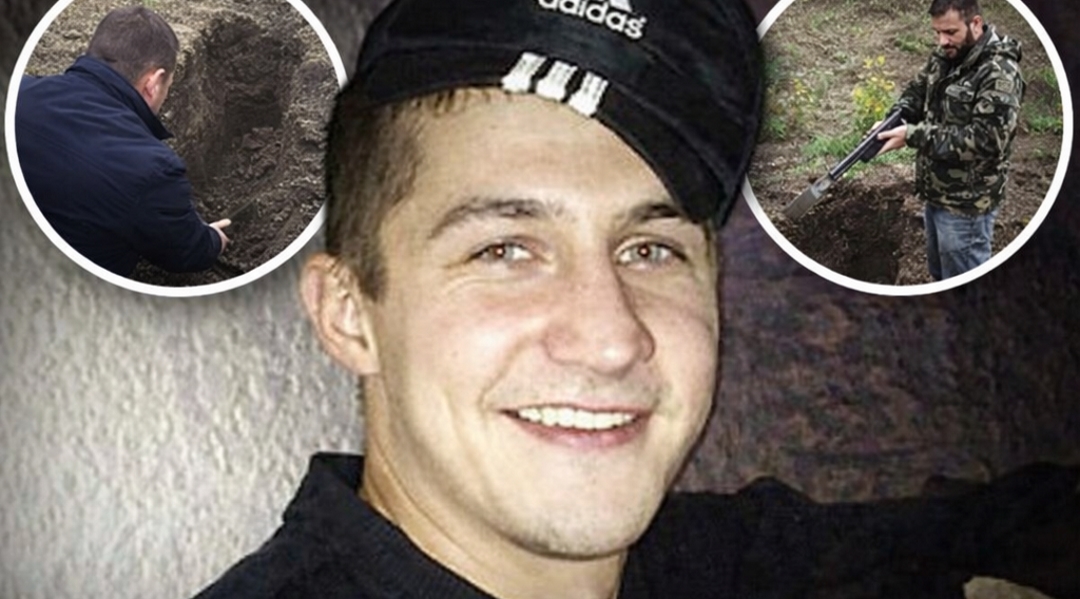
From there, the account turns into a legal and moral maze. Reports have described the friend’s death as a suicide that was allegedly coerced, rather than a direct killing, a distinction that dramatically changes how the law treats the father. In coverage describing the community reaction, public support for the father was portrayed as intense and emotional, with people framing him as someone who did what the justice system would never do fast enough.
That kind of public support is not unusual in cases that involve allegations of child abuse. The anger is primal. People feel protective, even if they don’t know the victims, because the crime touches a universal fear: that danger can enter through familiarity. It’s why these stories ignite faster than most news cycles, and why the comments under them become a battlefield within minutes.
But the support comes with a darker shadow: the unspoken permission it can create. When a crowd celebrates revenge, it can start to sound like instruction. It can normalize the idea that the courtroom is optional, that punishment is a private decision, that fear and rage can replace evidence and due process. Even people who understand the father’s grief can still recoil at what it means if that kind of response becomes a model.
What makes the debate even more volatile is the way the story is often framed online—less as a tragedy and more as a satisfying narrative arc. Stranger harms child. Father becomes executioner. Evil is erased. The end. But real life rarely lands cleanly like that, especially when courts have to determine what happened, how it happened, and what is provable versus what is believed.