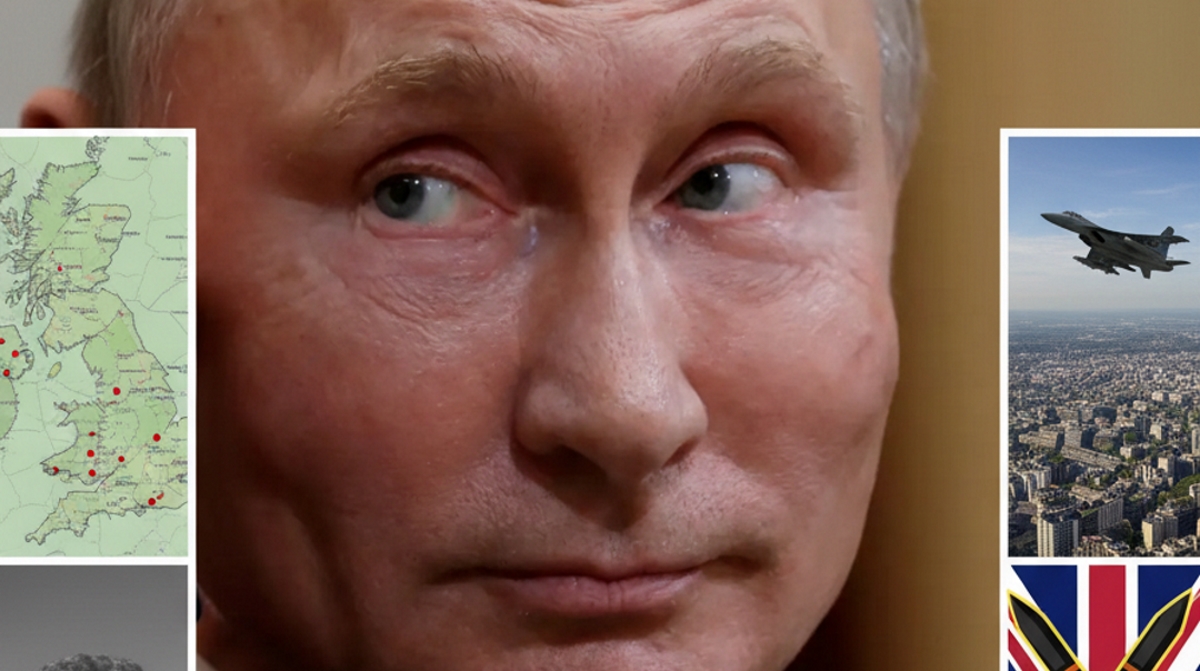
For days, a wave of anxiety has washed across Britain after claims of a leaked “Russian target list” exploded online, naming 23 UK towns and cities supposedly marked for attack — a rumor that spread so quickly that national security analysts compared its velocity to the misinformation surges tracked in a major rumor-dynamics study documenting how fear can outrun facts in tense geopolitical moments.
The claims first went viral after social media accounts began circulating what they described as “intelligence leaks,” tying the alleged list to escalating tensions between NATO and Moscow — a narrative amplified through commentary echoing earlier warnings documented in a Reuters diplomatic overview that said Russia has heightened its nuclear rhetoric in recent months.
Within hours, panic spread far beyond the original posts. Residents in multiple UK regions began sharing screenshots, shaky videos, and anxiety-filled commentary — a pattern reminiscent of online flashpoints analyzed in a Pew report on public fear cycles, showing how crises, real or perceived, ignite collective dread.
Everyone in my town is talking about this “target list.” People are genuinely scared. Can the government PLEASE say something clear? — J.H. (@NorthshireNews) Dec 11, 2025
The UK government did respond — but cautiously. While officials dismissed the list as unverified and likely part of a broader misinformation wave, they did not deny rising global tension, pointing reporters toward the threat assessments outlined in the UK’s modern defense strategy summary, which acknowledges the increasing unpredictability of Russian messaging during international crises.
Experts say this ambiguity is precisely why the rumor took hold. When a population is already on edge — especially after witnessing real geopolitical flashpoints documented through ongoing Eastern European briefings — even vague claims can feel plausible enough to ignite panic.
Some analysts suggested the list may mirror older civil-defense scenarios referenced in a historical threat overview originally published years ago. That older material included major cities like London, Manchester, Glasgow, Liverpool, and Birmingham — locations that also appeared in the viral posts, fueling speculation that the “leak” simply repackaged outdated Cold War studies.
Meanwhile, security researchers pointed to the growing role of information warfare in crises, highlighting assessments cited in a NATO strategic-communication review that warned adversaries often use viral fear campaigns to destabilize public morale and overwhelm governments.
Seeing people panic over an unverified “target list” is EXACTLY how information warfare works. The fear IS the weapon. — E.M. (@EchoIntel) Dec 11, 2025
As the rumor spread, residents in smaller UK towns — some of which rarely appear in national security analyses — found themselves unexpectedly thrust into the online frenzy. Multiple viral posts claimed “newly threatened” areas, borrowing language similar to fear cycles explored in a geopolitical risk examination that noted how misinformation often attaches itself to real tensions to appear more credible.
But while officials reiterated that no confirmed list exists, they did acknowledge heightened alertness across NATO. Journalists referencing recent alliance statements highlighted how intelligence services remain acutely aware of Russia’s escalatory rhetoric — rhetoric that has intensified in the wake of a series of military standoffs covered extensively in a global tensions update.
Several of the rumored towns on the viral list — including port cities, industrial hubs, and energy transit regions — were chosen in patterns that analysts compared to older strategic assessments tracked through a UK national-security think-tank review, suggesting the list didn’t originate from any recent intelligence but rather from recycled public documents.
The frenzy accelerated when influencers and political commentators began framing the claims as evidence of impending conflict, echoing sensational framing similar to the panic loops dissected in a Vox analysis on war-scare misinformation.
People are acting like the list is confirmed. Zero evidence. Zero sourcing. But fear spreads faster than facts. — R.T. (@FactCheckRiley) Dec 11, 2025
Yet even as experts debunked the rumors, public fear remained high — especially after Russia issued fresh warnings about “retaliatory measures” in state media, language that echoed threats documented earlier in a major diplomatic standoff report describing Russia’s aggressive broadcasting style during crises.
Security analysts stressed that Russia frequently issues broad threats toward NATO members — not specific city-by-city targeting blueprints. This distinction, mapped out in a nuclear-rhetoric research brief, shows how Russia uses ambiguity to maintain psychological pressure without triggering direct military escalation.
But ambiguity is also what allowed the viral “target list” to spread. Users searching for confirmation stumbled into older civil-defense predictions, Cold War simulations, think-tank maps, and NATO planning documents — all publicly available, all devoid of explicit current-day intent, but collectively compelling enough to appear credible in the fast-moving environment described in a research study on fear-driven misinformation.
Local councils across the UK began issuing statements urging calm, pointing residents toward official government communication channels. These responses echoed lessons identified in the UK’s counter-disinformation guidance, which warns communities to verify claims before amplifying them during high-tension periods.
Still, the fear lingered — particularly among residents living in coastal regions or industrial cities that have historically appeared in strategic simulations. Public anxiety in these towns mirrors the emotional volatility explored in a psychological analysis on crisis-induced perception, describing how citizens often internalize worst-case scenarios even when experts dismiss the threat.
As the rumor continued circulating, fact-checkers, local officials, military analysts, and journalists repeatedly emphasized one point: no confirmed Russian threat list exists, and no UK intelligence service has validated these claims. Instead, they attribute the panic to a perfect storm — geopolitical tension, online speculation, recycled Cold War materials, and a public already on edge.