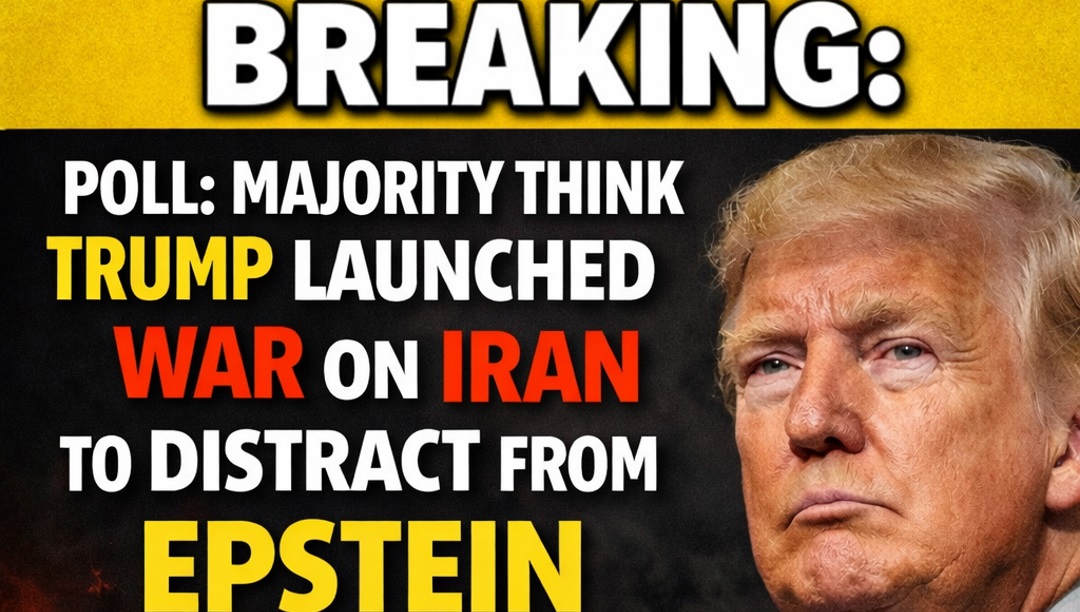
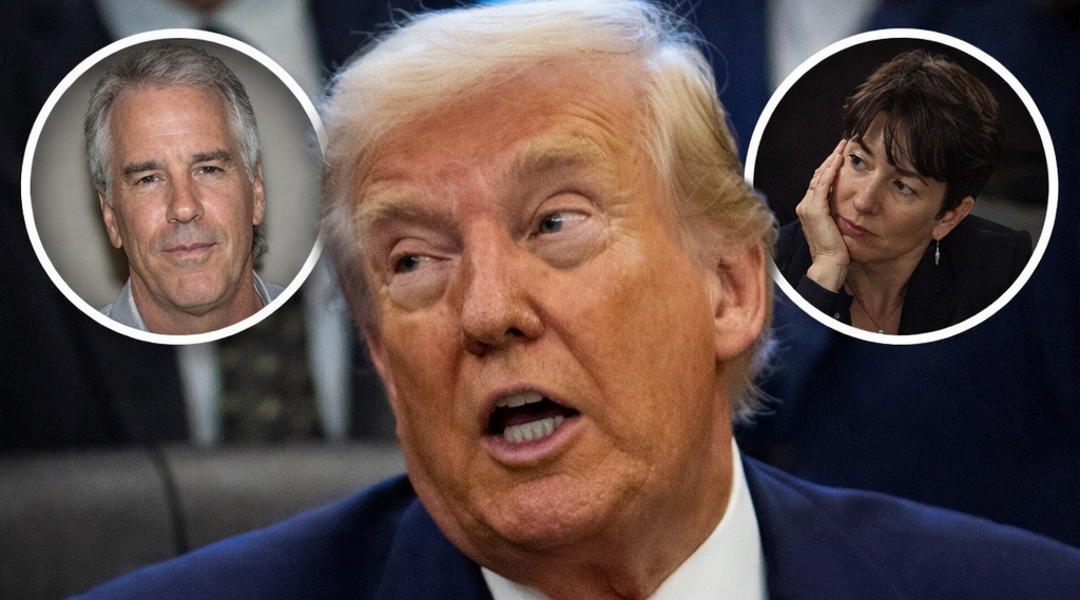
The resurfacing of documents connected to Jeffrey Epstein has repeatedly ignited political and cultural shockwaves, dragging powerful names back into public debate and reopening questions many people assumed were settled. Whenever new details or unsealed materials appear, speculation surges, and Donald Trump has often responded by criticizing or downplaying the renewed attention. Supporters say he is pushing back against politically motivated narratives, while critics argue he is trying to redirect focus away from damaging associations.
Understanding why Trump has publicly resisted prolonged attention on the Epstein material requires examining several overlapping political and reputational dynamics. These factors do not operate in isolation, and analysts from both sides of the political spectrum interpret them differently. Still, five consistent themes appear repeatedly in public commentary, legal reporting, and political analysis.
1. Managing political vulnerability during election cycles
One major factor involves timing. Epstein-related coverage tends to intensify during major political moments, especially presidential campaigns or primary battles. Political strategists widely agree that unexpected scandals—even indirect ones—can dominate media coverage and reshape voter perception quickly. Trump has repeatedly described renewed attention to Epstein as a distraction from policy debates and campaign messaging.
Trump’s name has appeared in Epstein-related reporting largely due to past social connections common among wealthy New York social circles during the 1990s and early 2000s. In a detailed overview examining Trump’s historical interactions with Epstein, reports note that Trump later claimed to have distanced himself and banned Epstein from Mar-a-Lago. While Trump has denied any wrongdoing, political advisers generally acknowledge that repeated media attention to Epstein creates campaign complications regardless of legal findings.