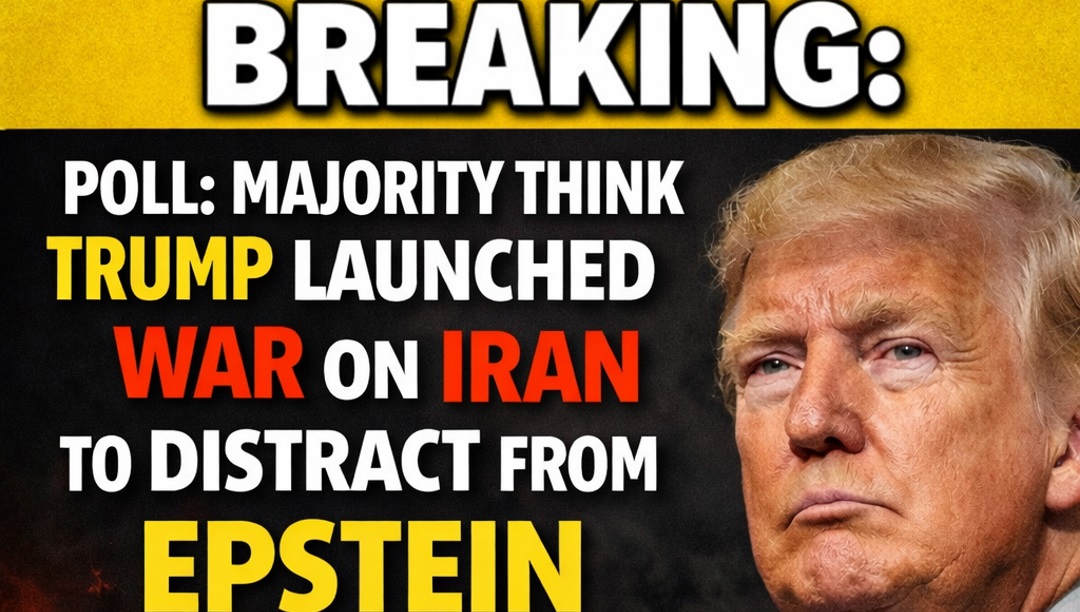
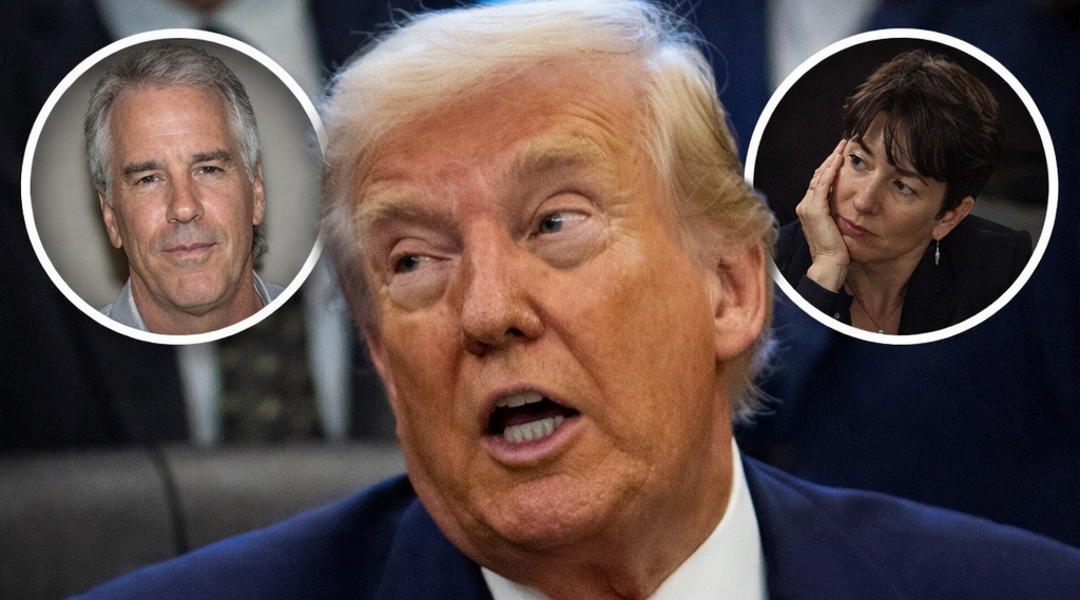
From a campaign perspective, extended focus on Epstein risks shifting national conversation away from economic policy, immigration, or foreign affairs—areas where Trump often prefers to concentrate messaging.
2. Controlling media narrative and political framing
Trump has long used aggressive media counter-narratives as a core political strategy. Rather than allowing potentially damaging topics to dominate headlines, he frequently attempts to reframe them as partisan attacks or misinformation campaigns. Epstein-related stories fit easily into that communication style, especially when Trump frames the issue as politically weaponized.
Political communication analysts often describe this approach as narrative disruption—redirecting attention toward opponents or broader institutional distrust rather than addressing individual controversies in depth. For Trump supporters, this tactic reinforces his image as someone fighting hostile media coverage. For critics, it appears as an attempt to avoid uncomfortable scrutiny.
The Epstein files carry enormous media weight, partly because they intersect with elite power networks, celebrity culture, and longstanding public fascination with conspiracy allegations. When these stories trend, they can dominate news cycles for weeks, making narrative control particularly important for any political figure linked indirectly or historically.
3. Avoiding prolonged association with Epstein’s social network
Another factor involves reputational risk tied to social association. Epstein maintained connections with numerous high-profile figures across politics, finance, and entertainment. Even when no criminal activity is alleged or proven, association alone can create reputational damage in the modern digital media environment.
Trump has repeatedly emphasized that he ended his relationship with Epstein long before Epstein’s criminal investigations escalated. Reporting highlighted in a comprehensive review of their past interactions notes Trump’s public statements claiming he cut ties and distanced himself years before Epstein’s arrest.
Nevertheless, political analysts say that in contemporary politics, proximity—even historical or superficial—can remain a persistent vulnerability. Opponents often highlight any past connection, while supporters typically emphasize lack of evidence connecting Trump to Epstein’s crimes.
4. Preventing broader elite accountability narratives from gaining traction
The Epstein case triggered widespread public distrust toward powerful institutions, partly because many people believed Epstein operated for years without sufficient legal consequences. The controversy fueled a larger cultural narrative suggesting that wealthy or politically connected individuals receive different treatment from the justice system.
Trump has frequently positioned himself as an outsider fighting elite corruption, and prolonged focus on Epstein risks complicating that populist messaging. Political analysts note that Epstein discussions sometimes shift away from individual cases and toward larger debates about systemic accountability, class privilege, and political protection networks.