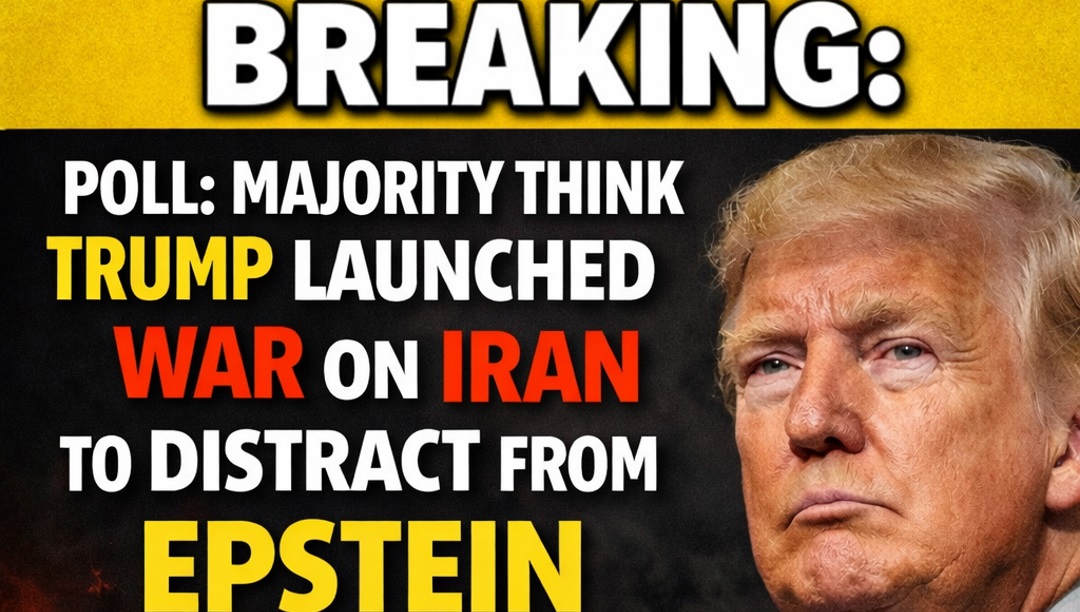
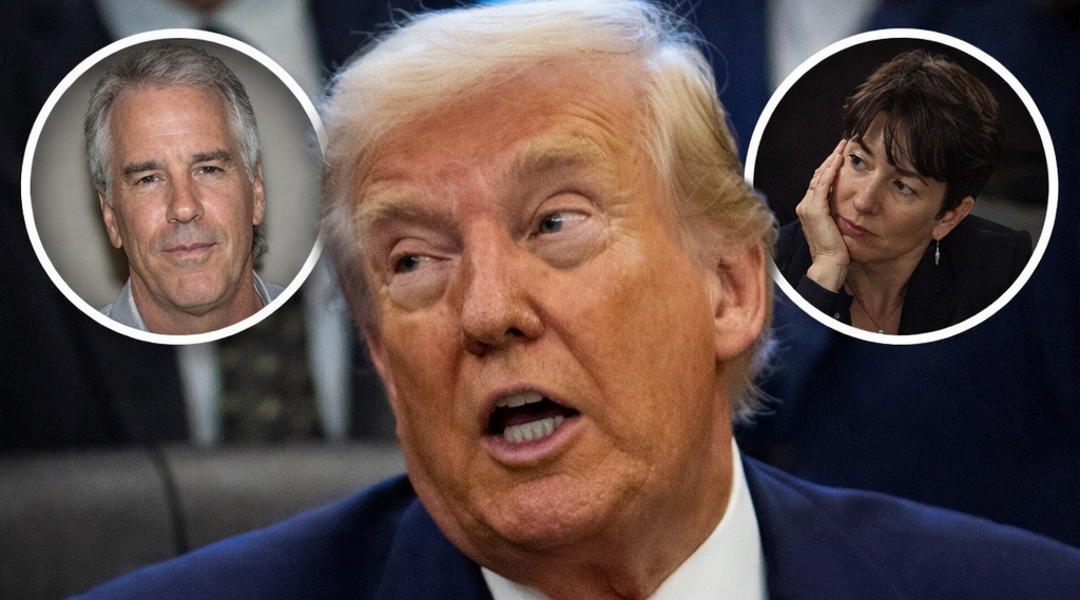
For Trump, maintaining a strong outsider image has been central to his political identity. Renewed Epstein scrutiny—especially if framed broadly around elite social circles—could undermine that narrative by placing him within the same historical environment he often criticizes.
5. Limiting unpredictable legal and investigative developments
The Epstein case remains complex and partially unresolved, with civil litigation, document releases, and ongoing investigations continuing to generate new information periodically. Legal analysts stress that unsealed records do not necessarily imply criminal wrongdoing but can still trigger public controversy or reputational fallout.
Political figures typically prefer stability and predictability during legal or investigative cycles. Trump’s push to downplay Epstein-related coverage may reflect a broader effort to avoid unexpected document releases that could create new media storms, regardless of their direct relevance to him.
This strategy aligns with common crisis-management tactics used by public figures across political parties—reducing oxygen around evolving legal stories while emphasizing unrelated policy achievements or political priorities.
Ultimately, Trump’s pushback against Epstein-related attention reflects a mix of political messaging, reputation management, media strategy, and campaign calculation. Supporters interpret his stance as resistance to politically motivated attacks, while critics view it as avoidance of legitimate public scrutiny.
The Epstein files remain one of the most controversial and emotionally charged legal scandals of the modern era, touching government, wealth, celebrity influence, and criminal justice failures. Because of that, any political figure historically connected—even socially—faces continuing public examination whenever new documents or testimony emerge.
As additional materials continue surfacing through court proceedings and investigative reporting, the intersection between political strategy and public accountability is likely to remain intensely debated, regardless of which leaders are in power or which names appear in historical records.