
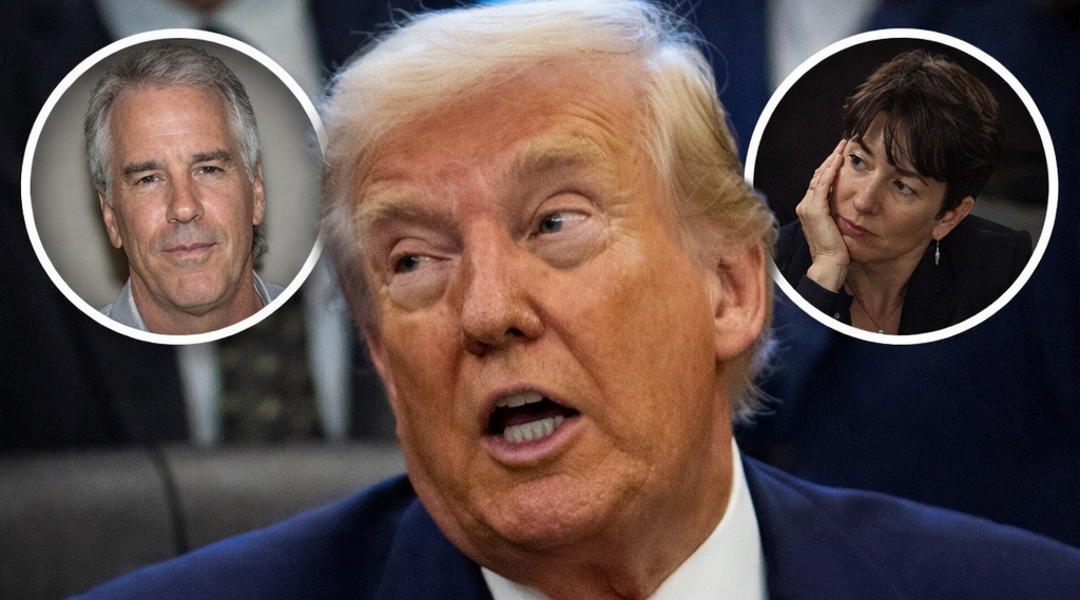
The resurfacing of documents connected to Jeffrey Epstein has repeatedly ignited political and cultural shockwaves, dragging powerful names back into public debate and reopening questions many people assumed were settled. Whenever new details or unsealed materials appear, speculation surges, and Donald Trump has often responded by criticizing or downplaying the renewed attention. Supporters say he is pushing back against politically motivated narratives, while critics argue he is trying to redirect focus away from damaging associations.
Understanding why Trump has publicly resisted prolonged attention on the Epstein material requires examining several overlapping political and reputational dynamics. These factors do not operate in isolation, and analysts from both sides of the political spectrum interpret them differently. Still, five consistent themes appear repeatedly in public commentary, legal reporting, and political analysis.
1. Managing political vulnerability during election cycles
One major factor involves timing. Epstein-related coverage tends to intensify during major political moments, especially presidential campaigns or primary battles. Political strategists widely agree that unexpected scandals—even indirect ones—can dominate media coverage and reshape voter perception quickly. Trump has repeatedly described renewed attention to Epstein as a distraction from policy debates and campaign messaging.
Trump’s name has appeared in Epstein-related reporting largely due to past social connections common among wealthy New York social circles during the 1990s and early 2000s. In a detailed overview examining Trump’s historical interactions with Epstein, reports note that Trump later claimed to have distanced himself and banned Epstein from Mar-a-Lago. While Trump has denied any wrongdoing, political advisers generally acknowledge that repeated media attention to Epstein creates campaign complications regardless of legal findings.
From a campaign perspective, extended focus on Epstein risks shifting national conversation away from economic policy, immigration, or foreign affairs—areas where Trump often prefers to concentrate messaging.
2. Controlling media narrative and political framing
Trump has long used aggressive media counter-narratives as a core political strategy. Rather than allowing potentially damaging topics to dominate headlines, he frequently attempts to reframe them as partisan attacks or misinformation campaigns. Epstein-related stories fit easily into that communication style, especially when Trump frames the issue as politically weaponized.
Political communication analysts often describe this approach as narrative disruption—redirecting attention toward opponents or broader institutional distrust rather than addressing individual controversies in depth. For Trump supporters, this tactic reinforces his image as someone fighting hostile media coverage. For critics, it appears as an attempt to avoid uncomfortable scrutiny.
The Epstein files carry enormous media weight, partly because they intersect with elite power networks, celebrity culture, and longstanding public fascination with conspiracy allegations. When these stories trend, they can dominate news cycles for weeks, making narrative control particularly important for any political figure linked indirectly or historically.
3. Avoiding prolonged association with Epstein’s social network
Another factor involves reputational risk tied to social association. Epstein maintained connections with numerous high-profile figures across politics, finance, and entertainment. Even when no criminal activity is alleged or proven, association alone can create reputational damage in the modern digital media environment.
Trump has repeatedly emphasized that he ended his relationship with Epstein long before Epstein’s criminal investigations escalated. Reporting highlighted in a comprehensive review of their past interactions notes Trump’s public statements claiming he cut ties and distanced himself years before Epstein’s arrest.
Nevertheless, political analysts say that in contemporary politics, proximity—even historical or superficial—can remain a persistent vulnerability. Opponents often highlight any past connection, while supporters typically emphasize lack of evidence connecting Trump to Epstein’s crimes.
4. Preventing broader elite accountability narratives from gaining traction
The Epstein case triggered widespread public distrust toward powerful institutions, partly because many people believed Epstein operated for years without sufficient legal consequences. The controversy fueled a larger cultural narrative suggesting that wealthy or politically connected individuals receive different treatment from the justice system.
Trump has frequently positioned himself as an outsider fighting elite corruption, and prolonged focus on Epstein risks complicating that populist messaging. Political analysts note that Epstein discussions sometimes shift away from individual cases and toward larger debates about systemic accountability, class privilege, and political protection networks.
For Trump, maintaining a strong outsider image has been central to his political identity. Renewed Epstein scrutiny—especially if framed broadly around elite social circles—could undermine that narrative by placing him within the same historical environment he often criticizes.
5. Limiting unpredictable legal and investigative developments
The Epstein case remains complex and partially unresolved, with civil litigation, document releases, and ongoing investigations continuing to generate new information periodically. Legal analysts stress that unsealed records do not necessarily imply criminal wrongdoing but can still trigger public controversy or reputational fallout.
Political figures typically prefer stability and predictability during legal or investigative cycles. Trump’s push to downplay Epstein-related coverage may reflect a broader effort to avoid unexpected document releases that could create new media storms, regardless of their direct relevance to him.
This strategy aligns with common crisis-management tactics used by public figures across political parties—reducing oxygen around evolving legal stories while emphasizing unrelated policy achievements or political priorities.
Ultimately, Trump’s pushback against Epstein-related attention reflects a mix of political messaging, reputation management, media strategy, and campaign calculation. Supporters interpret his stance as resistance to politically motivated attacks, while critics view it as avoidance of legitimate public scrutiny.
The Epstein files remain one of the most controversial and emotionally charged legal scandals of the modern era, touching government, wealth, celebrity influence, and criminal justice failures. Because of that, any political figure historically connected—even socially—faces continuing public examination whenever new documents or testimony emerge.
As additional materials continue surfacing through court proceedings and investigative reporting, the intersection between political strategy and public accountability is likely to remain intensely debated, regardless of which leaders are in power or which names appear in historical records.