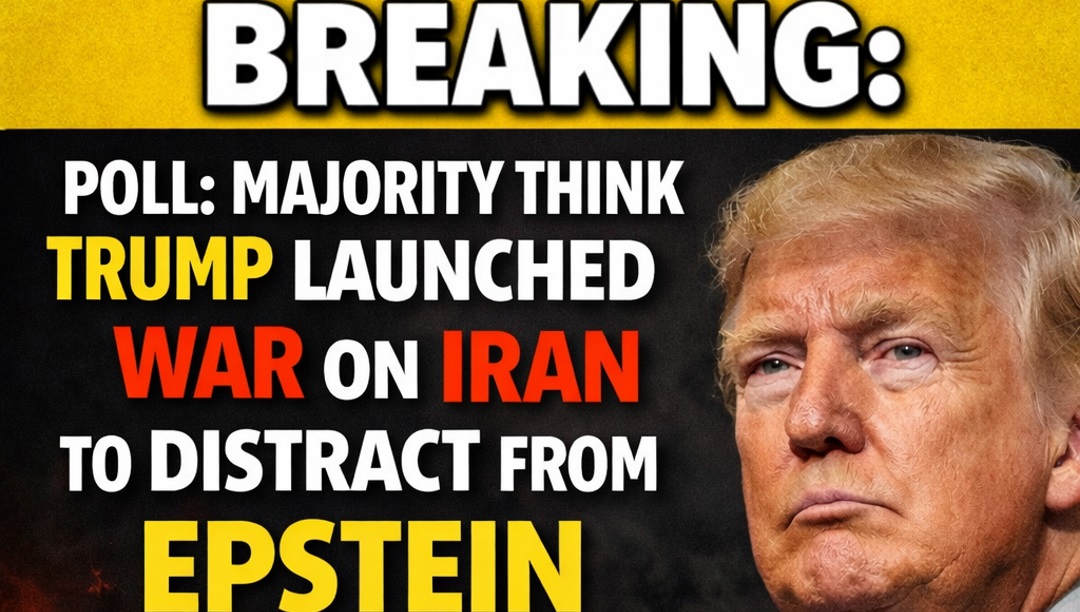

The controversy has also been mentioned in discussions surrounding Gates’ divorce from Melinda French Gates, who has spoken publicly about discomfort with her former husband’s Epstein meetings. Analysts suggest the issue illustrates how reputational controversies can influence both professional and personal partnerships at the highest levels of public life.
5. The situation reflects growing public demand for accountability among powerful figures
The Epstein scandal fundamentally reshaped public expectations regarding accountability among wealthy and influential individuals. Investigative reporting revealed how Epstein maintained relationships with prominent figures across multiple industries, fueling public suspicion that powerful networks often operate without sufficient scrutiny.
Gates’ response to renewed allegations highlights how public figures increasingly face pressure to address not only legal responsibility but also ethical perception. Even when wrongdoing is not proven, modern audiences often expect transparent explanations regarding past associations with controversial individuals.
Political and cultural analysts note that Epstein-related controversies have become symbolic of broader distrust toward elite power structures. Gates’ situation illustrates how public reputation now depends heavily on demonstrating awareness, accountability, and ethical judgment in both personal and professional relationships.
Despite intense scrutiny, Gates has continued focusing on global health, climate initiatives, and technological innovation. His philanthropic work remains widely influential, particularly in vaccine development, disease prevention, and poverty reduction programs worldwide. Supporters argue that his long-term humanitarian contributions should remain central to evaluating his legacy, while critics maintain that ethical leadership requires confronting controversial associations transparently.
The renewed attention surrounding Epstein-related allegations underscores how digital media ensures that historical relationships can resurface repeatedly, often without context or timeline clarification. For figures like Gates, whose influence extends across business, science, and global policy, managing public trust has become as critical as managing institutional success.
As document releases, investigative reporting, and public discussion continue evolving, Gates’ responses remain part of a broader conversation about power, accountability, and reputation in the modern era. The situation demonstrates how association, perception, and public expectation increasingly intersect in shaping the legacy of globally recognized leaders.