A former White House physician has ignited controversy after publicly describing a moment during Donald Trump’s presidency that, in his view, raised serious concerns about the former president’s fitness. The comments, which quickly spread across news and social media, reopened long-running debates about transparency, medical oversight, and the limits of presidential health disclosures.
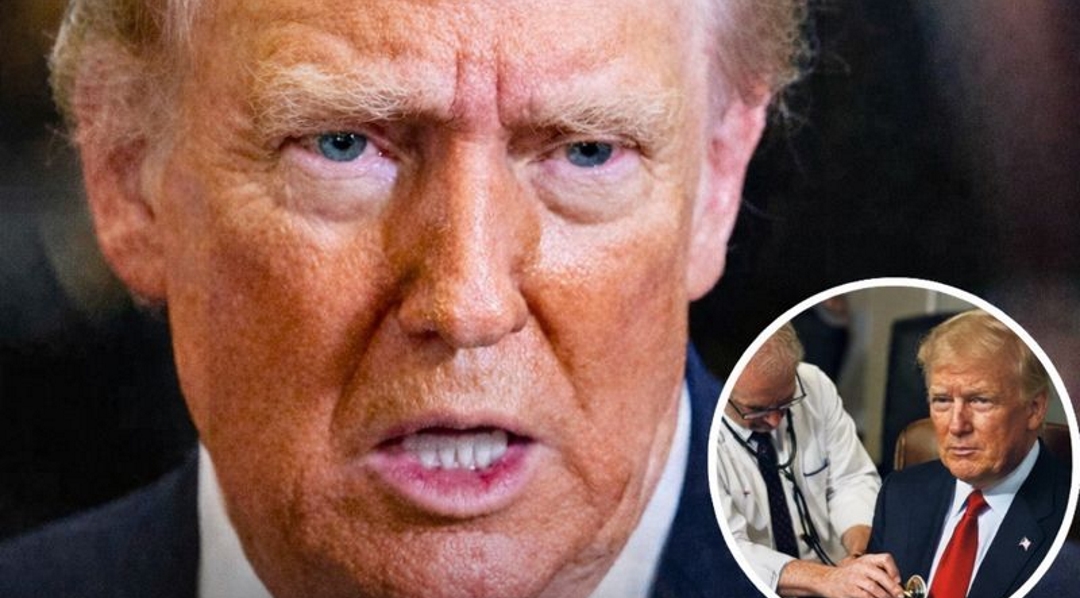
The doctor’s remarks surfaced during a recent interview that was later highlighted in national television coverage, where he recalled an incident he described as deeply unsettling. While stopping short of making a diagnosis, he said the moment convinced him Trump should undergo a formal medical evaluation.
According to the physician, the concern was not about a single policy decision, but about behavior he witnessed firsthand while Trump was in office. He emphasized that doctors working around presidents are trained to notice subtle warning signs, especially when stress, sleep deprivation, and age intersect — a point echoed in reporting on presidential health standards.
The comments immediately drew attention because Trump’s medical fitness has long been a subject of public debate. During his presidency, official health summaries released by the White House repeatedly described him as being in “excellent” condition, documents that were often questioned by critics and medical professionals alike, as noted in archived coverage of Trump’s medical exams.
The former doctor explained that what troubled him most was not something that appeared on a chart or test result, but a behavioral episode that suggested possible cognitive or emotional strain. He declined to provide granular detail, citing medical ethics, but said the moment crossed a threshold he could not ignore.
Trump’s allies quickly pushed back, accusing the physician of political motivation and violating professional norms. Conservative commentators cited Trump’s past physical exams and pointed to assessments that were defended publicly by the White House, arguments summarized in right-leaning media responses.