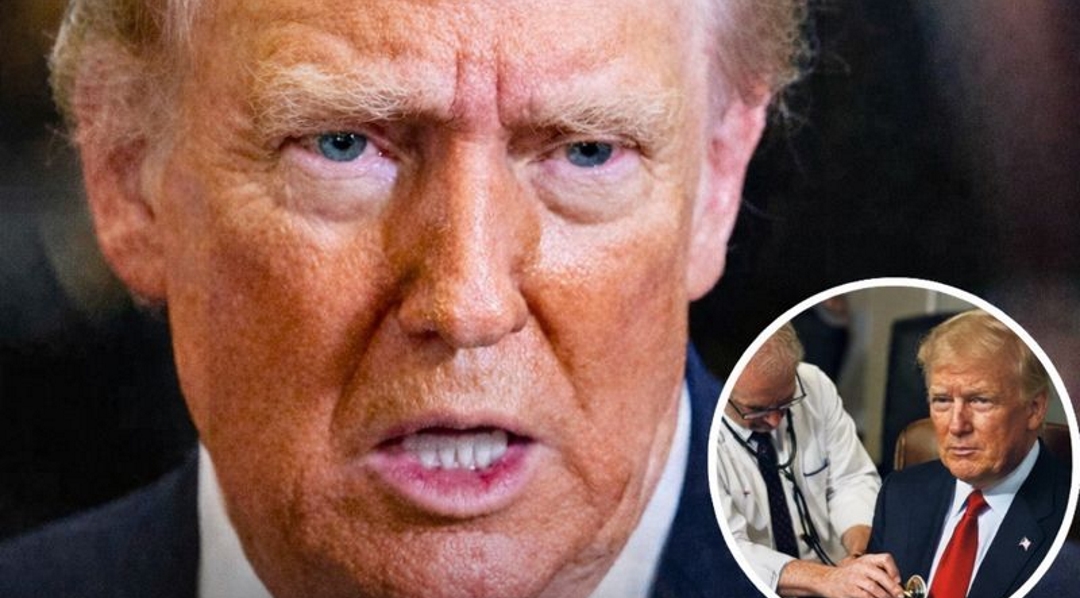
Medical experts not connected to the situation urged caution. Several doctors interviewed in health policy analysis stressed that public speculation about a political figure’s mental state is fraught, especially without direct access to medical records or consent.
Still, the former physician’s words landed forcefully because of his proximity to power. Unlike pundits or political opponents, he was present behind closed doors, observing Trump during moments shielded from cameras and press briefings. That proximity has given his comments weight, even among skeptics.
The controversy also revived discussion about whether current laws adequately address the medical evaluation of presidents. Scholars cited in coverage of the 25th Amendment note that the threshold for intervention is intentionally high, leaving much to personal judgment and internal discretion.
Trump himself has not responded directly to the physician’s remarks, but he has repeatedly described himself as mentally sharp and physically strong, a message he has reinforced during rallies and interviews. Supporters argue the renewed scrutiny is politically driven, while critics say it highlights unresolved questions that never fully went away.
As the comments continue to circulate, the episode underscores a persistent tension in American politics: the public’s right to know versus the privacy of medical care. Whether the doctor’s account changes anything materially remains unclear, but it has once again pulled presidential health out of sealed reports and back into open debate.