2. Public confusion about royal associations continues to resurface online
One of the more unexpected elements of renewed online attention has been public confusion about which royals were socially connected to Epstein’s network. Social media discussions have occasionally circulated archival images or guest lists from events involving wealthy social circles in which multiple high-profile figures appeared, sometimes inaccurately attributing connections.
Historians and royal commentators emphasize that Epstein maintained contact with various elite figures across politics, finance, and aristocratic social environments during the 1990s and early 2000s. However, verified reporting has consistently focused on Prince Andrew as the royal figure most directly scrutinized.
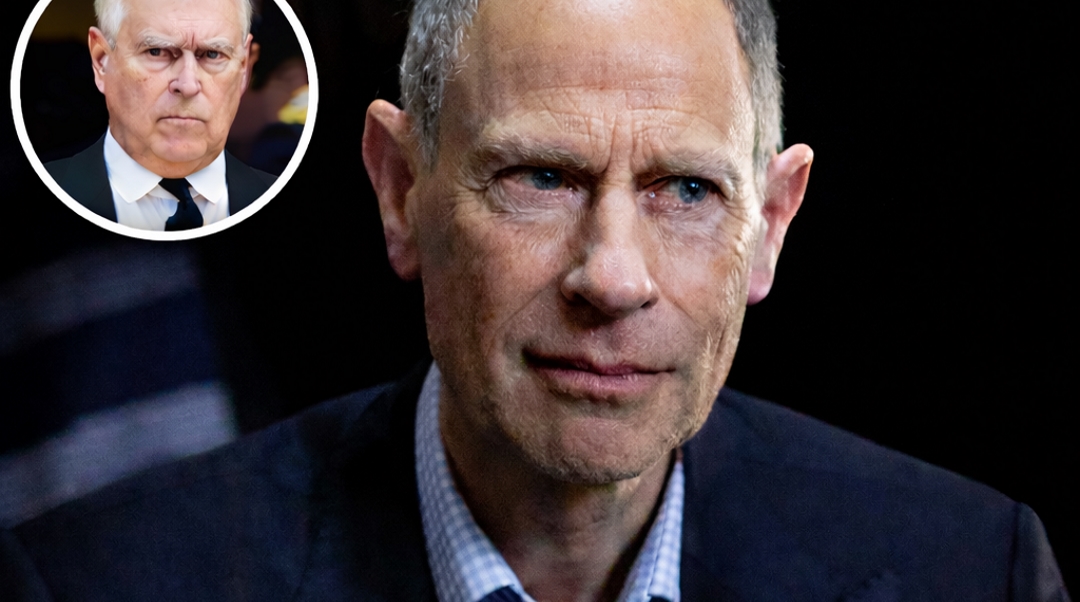
In a detailed investigative timeline of Prince Andrew’s relationship with Epstein, coverage highlighted documented meetings, travel records, and interviews that drove the scandal’s global impact. Analysts say Prince Edward’s name occasionally appearing in online speculation demonstrates how reputational fallout can spread beyond directly involved individuals.
3. Edward’s growing institutional role places him at the center of monarchy image rebuilding
Since stepping into the Duke of Edinburgh title following Prince Philip’s death, Edward has taken on a larger ceremonial and charitable leadership presence. That expanded role has placed him closer to public expectations about how the monarchy addresses past controversies indirectly through conduct rather than statements.
Royal observers frequently note that Edward has maintained one of the least controversial public profiles among senior royals. His steady focus on youth programs, cultural patronages, and the Duke of Edinburgh Award initiative has been widely viewed as part of a long-term effort to reinforce the monarchy’s service-oriented identity.
Image rebuilding within constitutional monarchies often occurs gradually, relying on consistency rather than public confrontation. Edward’s low-profile communication style aligns with this institutional model, which prioritizes maintaining public confidence through visible duty rather than engaging in reactive press debates.
4. Renewed document releases continue to trigger broader scrutiny of elite social networks
The ongoing unsealing of Epstein-related legal materials has fueled fresh media cycles examining how powerful individuals interacted within overlapping global social circles. Each release tends to reignite scrutiny not only of those directly implicated but also of institutions historically connected to elite networking environments.
Royal family members are particularly sensitive to this dynamic because the monarchy’s legitimacy is closely tied to public perception. Even indirect speculation can carry reputational risks in an era where archival images, guest lists, and social connections are rapidly circulated and reinterpreted online.