Legal experts consistently stress that inclusion in Epstein-related documents or social photographs does not automatically indicate wrongdoing. Courts, investigators, and journalists rely on verified evidence rather than association alone. However, public discourse often operates differently, with speculation sometimes spreading faster than confirmed information.
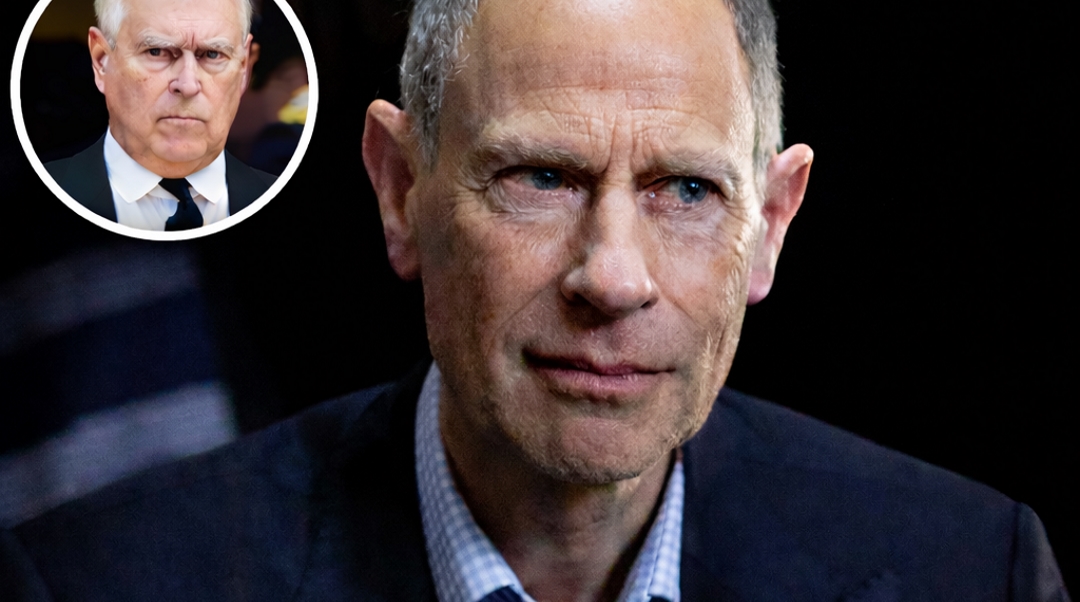
Prince Edward’s response—remaining focused on official engagements without addressing speculative claims—reflects longstanding royal communication tradition. Buckingham Palace historically avoids validating unverified allegations through direct public rebuttal unless legal or constitutional necessity demands it.
The renewed scrutiny surrounding Epstein-era controversies highlights a broader challenge facing modern public institutions. Digital media ensures that historical social connections can resurface repeatedly, often detached from context or timeline clarification. For royal figures, whose public roles combine tradition, symbolism, and visibility, reputational management increasingly involves navigating’ information cycles that never fully disappear.
While Prince Andrew remains the central royal figure tied to the Epstein scandal, Prince Edward’s growing prominence within the monarchy places him in a position where he indirectly represents institutional stability during periods of renewed public questioning. Royal historians note that maintaining continuity during controversy has been a recurring survival strategy for the British monarchy across multiple generations.
As additional legal materials and investigative reporting continue emerging, discussions about elite social networks and institutional accountability are likely to persist. Prince Edward’s restrained public posture demonstrates how the monarchy attempts to balance transparency pressures with longstanding traditions of minimal direct political or legal commentary.
Ultimately, the renewed attention surrounding Epstein-era associations reflects less about Edward individually and more about how modern audiences reassess historical power structures through contemporary expectations of accountability and public scrutiny.