
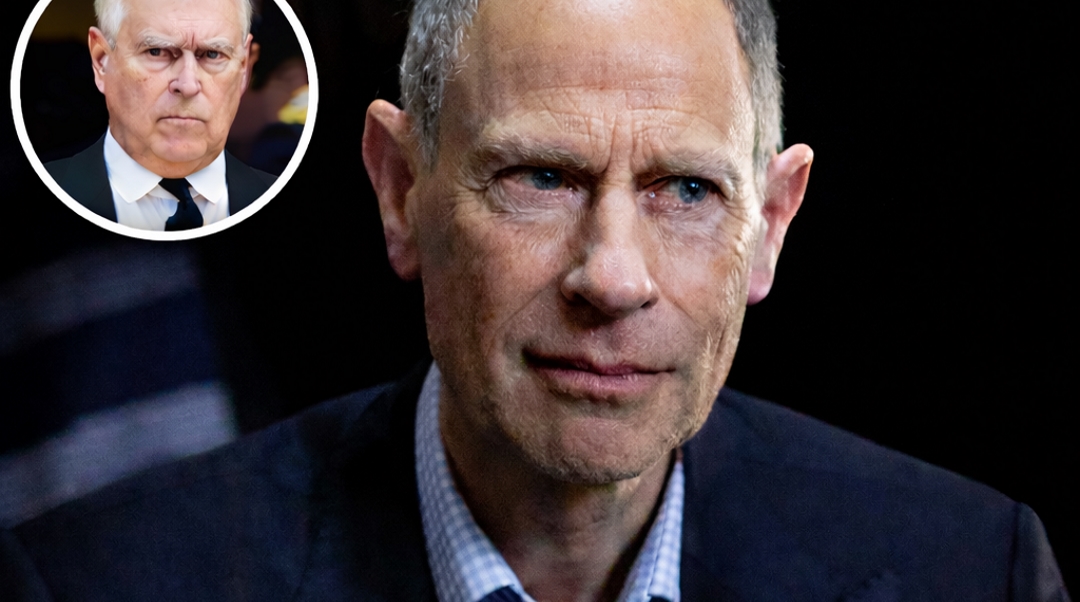
Renewed public interest in documents connected to Jeffrey Epstein has once again pulled members of Britain’s royal family into intense global discussion. While the scandal historically centered on Prince Andrew, recent online speculation and resurfaced photographs have widened public curiosity about how other royals, including Prince Edward, have responded to lingering questions surrounding the monarchy’s proximity to Epstein’s social network.
It is important to note that no verified evidence has linked Prince Edward to wrongdoing connected to Epstein. However, his public comments, appearances, and the broader royal family’s communication strategy have generated renewed attention as archived material and online debate continue circulating. Four key developments help explain why the conversation has resurfaced and how it is being addressed.
1. Prince Edward’s response reflects the royal family’s strategy of distancing from the Epstein scandal
Prince Edward, the Duke of Edinburgh, has largely avoided direct involvement in public commentary about Epstein-related controversies. Instead, his approach has mirrored the broader royal communications strategy—focusing attention on public duties, charitable work, and institutional continuity rather than revisiting past controversies.
Royal analysts say this approach is intentional. Following Prince Andrew’s highly criticized 2019 interview and subsequent legal settlement with Virginia Giuffre, Buckingham Palace shifted toward minimizing direct public engagement with Epstein-related questions. In reporting examining how the royal family handled the fallout from Andrew’s legal settlement, commentators noted that senior royals redirected messaging toward stability and service rather than extended scandal response.
Prince Edward’s increased visibility in royal duties following Andrew’s withdrawal from public life has placed him indirectly into discussions about how the monarchy rebuilds trust after reputational crises.
2. Public confusion about royal associations continues to resurface online
One of the more unexpected elements of renewed online attention has been public confusion about which royals were socially connected to Epstein’s network. Social media discussions have occasionally circulated archival images or guest lists from events involving wealthy social circles in which multiple high-profile figures appeared, sometimes inaccurately attributing connections.
Historians and royal commentators emphasize that Epstein maintained contact with various elite figures across politics, finance, and aristocratic social environments during the 1990s and early 2000s. However, verified reporting has consistently focused on Prince Andrew as the royal figure most directly scrutinized.
In a detailed investigative timeline of Prince Andrew’s relationship with Epstein, coverage highlighted documented meetings, travel records, and interviews that drove the scandal’s global impact. Analysts say Prince Edward’s name occasionally appearing in online speculation demonstrates how reputational fallout can spread beyond directly involved individuals.
3. Edward’s growing institutional role places him at the center of monarchy image rebuilding
Since stepping into the Duke of Edinburgh title following Prince Philip’s death, Edward has taken on a larger ceremonial and charitable leadership presence. That expanded role has placed him closer to public expectations about how the monarchy addresses past controversies indirectly through conduct rather than statements.
Royal observers frequently note that Edward has maintained one of the least controversial public profiles among senior royals. His steady focus on youth programs, cultural patronages, and the Duke of Edinburgh Award initiative has been widely viewed as part of a long-term effort to reinforce the monarchy’s service-oriented identity.
Image rebuilding within constitutional monarchies often occurs gradually, relying on consistency rather than public confrontation. Edward’s low-profile communication style aligns with this institutional model, which prioritizes maintaining public confidence through visible duty rather than engaging in reactive press debates.
4. Renewed document releases continue to trigger broader scrutiny of elite social networks
The ongoing unsealing of Epstein-related legal materials has fueled fresh media cycles examining how powerful individuals interacted within overlapping global social circles. Each release tends to reignite scrutiny not only of those directly implicated but also of institutions historically connected to elite networking environments.
Royal family members are particularly sensitive to this dynamic because the monarchy’s legitimacy is closely tied to public perception. Even indirect speculation can carry reputational risks in an era where archival images, guest lists, and social connections are rapidly circulated and reinterpreted online.
Legal experts consistently stress that inclusion in Epstein-related documents or social photographs does not automatically indicate wrongdoing. Courts, investigators, and journalists rely on verified evidence rather than association alone. However, public discourse often operates differently, with speculation sometimes spreading faster than confirmed information.
Prince Edward’s response—remaining focused on official engagements without addressing speculative claims—reflects longstanding royal communication tradition. Buckingham Palace historically avoids validating unverified allegations through direct public rebuttal unless legal or constitutional necessity demands it.
The renewed scrutiny surrounding Epstein-era controversies highlights a broader challenge facing modern public institutions. Digital media ensures that historical social connections can resurface repeatedly, often detached from context or timeline clarification. For royal figures, whose public roles combine tradition, symbolism, and visibility, reputational management increasingly involves navigating’ information cycles that never fully disappear.
While Prince Andrew remains the central royal figure tied to the Epstein scandal, Prince Edward’s growing prominence within the monarchy places him in a position where he indirectly represents institutional stability during periods of renewed public questioning. Royal historians note that maintaining continuity during controversy has been a recurring survival strategy for the British monarchy across multiple generations.
As additional legal materials and investigative reporting continue emerging, discussions about elite social networks and institutional accountability are likely to persist. Prince Edward’s restrained public posture demonstrates how the monarchy attempts to balance transparency pressures with longstanding traditions of minimal direct political or legal commentary.
Ultimately, the renewed attention surrounding Epstein-era associations reflects less about Edward individually and more about how modern audiences reassess historical power structures through contemporary expectations of accountability and public scrutiny.