2. Secret Service response highlighted both strength and vulnerability
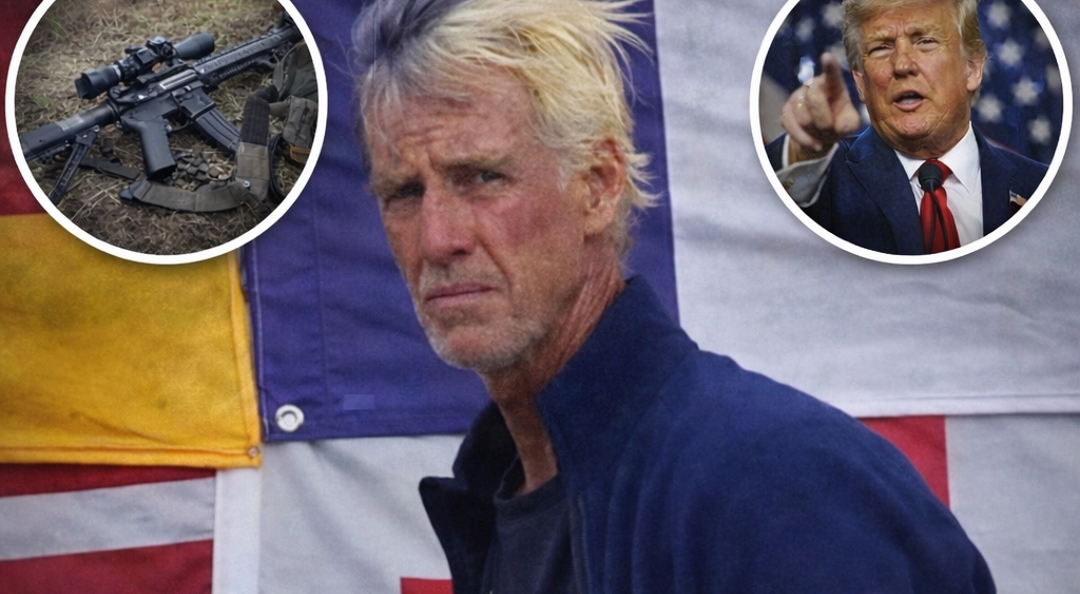
The response from the Secret Service became one of the most heavily scrutinized elements of the case. Officials quickly emphasized that agents identified the threat before Trump was placed in immediate danger, crediting training and layered security planning for preventing potential violence.
However, the incident also triggered broader questions about how a suspect allegedly managed to reach a location with visual access to the protected area. Security specialists often describe protective operations as a balance between perimeter control, intelligence gathering, and real-time field awareness. When a threat reaches any outer security layer, even if stopped early, it often leads to procedural reviews.
Following the incident, several lawmakers called for briefings and assessments of protective procedures for presidential candidates and former presidents. In coverage examining the security review process, officials indicated that protective agencies regularly update protocols after attempted attacks, even those that fail to reach close proximity to the target.
Security experts say this review process is routine but critical. Every attempted breach provides data about weaknesses, response timing, and threat detection improvements. While the response prevented violence, the fact that a suspect allegedly reached surveillance range remains a focal point for ongoing evaluation.
3. The case intensified national concerns about political radicalization
Beyond the security implications, the alleged assassination attempt quickly became a cultural and political flashpoint. Political violence has been rising in public discourse for years, and the Routh case added urgency to debates about radicalization, misinformation, and increasingly hostile political rhetoric.
Authorities have examined the suspect’s online activity, travel history, and political statements as part of their investigation. Analysts say these background reviews are standard but also serve a larger purpose: understanding whether individuals act alone, are influenced by online communities, or become radicalized through misinformation networks.