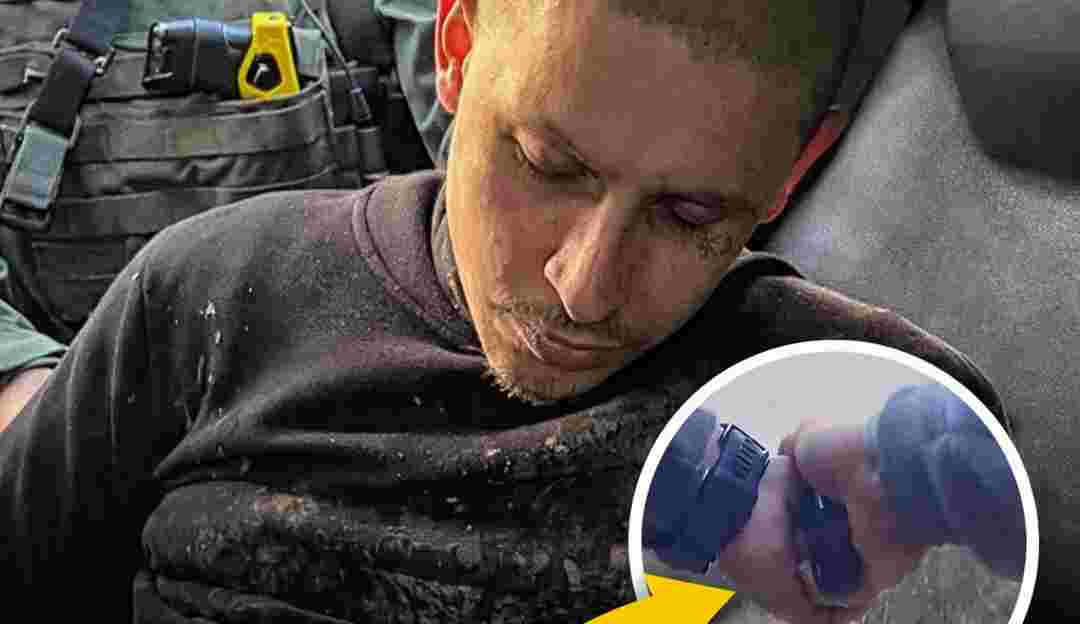
The case fueled renewed calls from both parties to reduce inflammatory rhetoric, though those appeals often collide with broader debates about free speech and political accountability. Social media platforms have also faced renewed pressure to monitor violent threats while balancing concerns about censorship and user rights.
Political violence experts warn that assassination attempts—successful or not—tend to escalate fear and polarization. Even unsuccessful plots can deepen public distrust and intensify political divisions, particularly when high-profile figures are involved.
4. Legal proceedings could shape future domestic terrorism cases
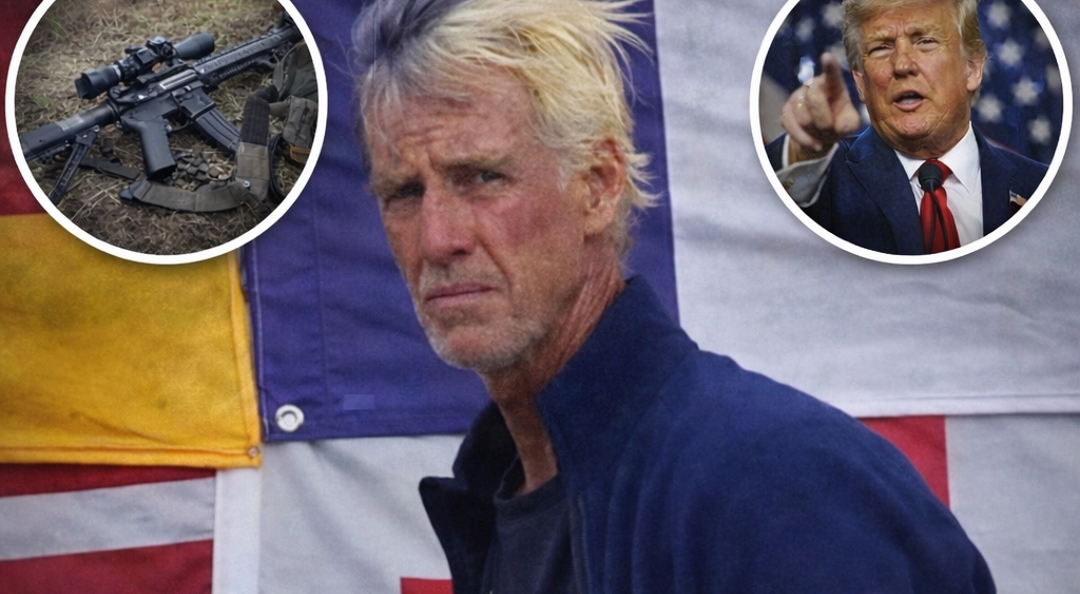
The charges against Routh may ultimately carry implications beyond the individual case. Prosecutors are expected to rely on weapons evidence, surveillance records, and intent-based arguments to establish whether the suspect planned a targeted political attack.
Cases involving alleged assassination attempts often hinge on proving intent rather than completed action. Legal analysts note that courts frequently examine preparation steps—such as weapon possession, surveillance positioning, or written statements—to determine whether a suspect crossed the legal threshold into attempted violence.
If prosecutors secure convictions using certain legal interpretations, it could influence how future domestic terrorism or assassination attempt cases are charged and prosecuted. Legal experts say the case could contribute to precedent surrounding preventative arrests, threat assessment, and sentencing guidelines in politically motivated violence cases.
The proceedings may also shape future security policy discussions, particularly regarding surveillance authority, public reporting of threats, and protective measures for major political figures.
The Ryan Routh case continues to evolve, but its early impact has already been profound. It exposed vulnerabilities in political security environments, intensified debates about radicalization, highlighted the complexities of lone-actor threats, and raised significant legal questions about how the United States confronts politically motivated violence.
Perhaps most importantly, the case reinforced a sobering reality: the safety of political leaders remains deeply tied to broader social tensions. As investigations proceed and legal proceedings unfold, the incident is likely to remain a defining example of how security, politics, and public fear intersect in modern American life.