
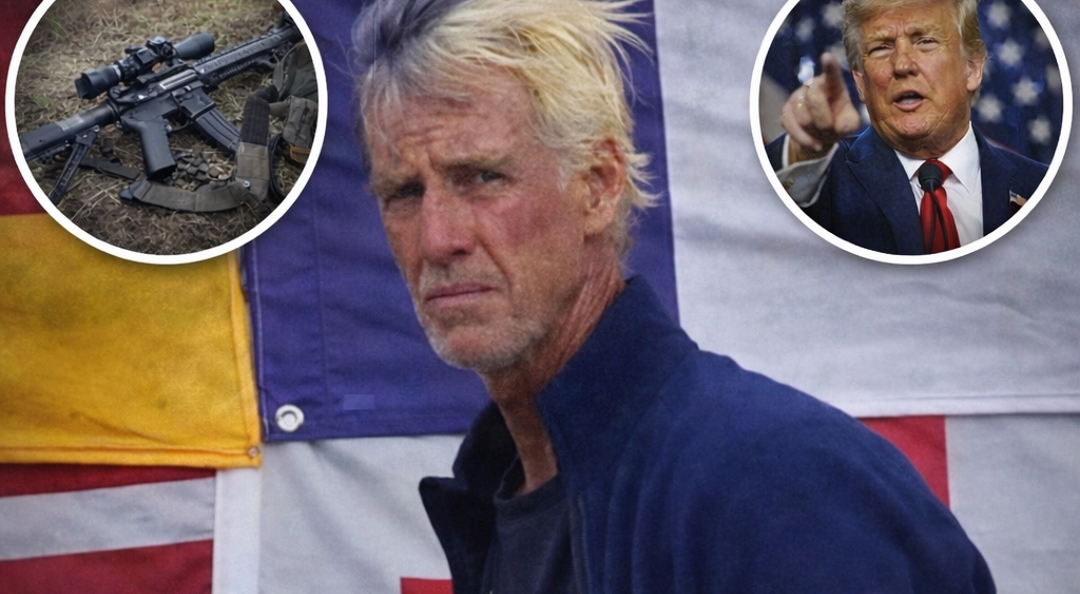
The arrest of Ryan Routh following an alleged assassination attempt targeting Donald Trump instantly became one of the most alarming political security stories in recent U.S. history. The case shocked Americans not only because of the target but also because of the circumstances surrounding the suspect, the security breach, and the broader questions it raised about political violence in a deeply divided era.
While the investigation is still unfolding, court filings, law enforcement statements, and emerging reporting have revealed several critical themes shaping how experts, lawmakers, and the public understand the case. These four takeaways highlight why the incident continues to resonate far beyond the initial headlines.
1. The alleged plot exposed evolving threats against political figures
One of the most unsettling aspects of the case is how it demonstrated the shifting nature of threats facing high-profile political leaders. According to investigators, Routh allegedly positioned himself near Trump’s golf course in Florida with a rifle and other equipment, raising immediate concerns about how modern lone-actor threats are developing.
Security analysts have increasingly warned that politically motivated violence has become more unpredictable, with individuals acting independently rather than as part of organized extremist networks. In a breakdown of the suspect’s alleged movements and arrest timeline, authorities described how a Secret Service agent spotted a weapon barrel protruding from shrubbery, prompting rapid intervention that prevented potential tragedy.
The case underscores a growing concern within federal law enforcement: lone individuals driven by ideology, grievance, or personal radicalization can present security challenges that are far harder to detect than coordinated plots. Experts say this type of threat environment forces protective agencies to rely heavily on surveillance, intelligence monitoring, and rapid response protocols rather than traditional infiltration tactics.
2. Secret Service response highlighted both strength and vulnerability
The response from the Secret Service became one of the most heavily scrutinized elements of the case. Officials quickly emphasized that agents identified the threat before Trump was placed in immediate danger, crediting training and layered security planning for preventing potential violence.
However, the incident also triggered broader questions about how a suspect allegedly managed to reach a location with visual access to the protected area. Security specialists often describe protective operations as a balance between perimeter control, intelligence gathering, and real-time field awareness. When a threat reaches any outer security layer, even if stopped early, it often leads to procedural reviews.
Following the incident, several lawmakers called for briefings and assessments of protective procedures for presidential candidates and former presidents. In coverage examining the security review process, officials indicated that protective agencies regularly update protocols after attempted attacks, even those that fail to reach close proximity to the target.
Security experts say this review process is routine but critical. Every attempted breach provides data about weaknesses, response timing, and threat detection improvements. While the response prevented violence, the fact that a suspect allegedly reached surveillance range remains a focal point for ongoing evaluation.
3. The case intensified national concerns about political radicalization
Beyond the security implications, the alleged assassination attempt quickly became a cultural and political flashpoint. Political violence has been rising in public discourse for years, and the Routh case added urgency to debates about radicalization, misinformation, and increasingly hostile political rhetoric.
Authorities have examined the suspect’s online activity, travel history, and political statements as part of their investigation. Analysts say these background reviews are standard but also serve a larger purpose: understanding whether individuals act alone, are influenced by online communities, or become radicalized through misinformation networks.
The case fueled renewed calls from both parties to reduce inflammatory rhetoric, though those appeals often collide with broader debates about free speech and political accountability. Social media platforms have also faced renewed pressure to monitor violent threats while balancing concerns about censorship and user rights.
Political violence experts warn that assassination attempts—successful or not—tend to escalate fear and polarization. Even unsuccessful plots can deepen public distrust and intensify political divisions, particularly when high-profile figures are involved.
4. Legal proceedings could shape future domestic terrorism cases
The charges against Routh may ultimately carry implications beyond the individual case. Prosecutors are expected to rely on weapons evidence, surveillance records, and intent-based arguments to establish whether the suspect planned a targeted political attack.
Cases involving alleged assassination attempts often hinge on proving intent rather than completed action. Legal analysts note that courts frequently examine preparation steps—such as weapon possession, surveillance positioning, or written statements—to determine whether a suspect crossed the legal threshold into attempted violence.
If prosecutors secure convictions using certain legal interpretations, it could influence how future domestic terrorism or assassination attempt cases are charged and prosecuted. Legal experts say the case could contribute to precedent surrounding preventative arrests, threat assessment, and sentencing guidelines in politically motivated violence cases.
The proceedings may also shape future security policy discussions, particularly regarding surveillance authority, public reporting of threats, and protective measures for major political figures.
The Ryan Routh case continues to evolve, but its early impact has already been profound. It exposed vulnerabilities in political security environments, intensified debates about radicalization, highlighted the complexities of lone-actor threats, and raised significant legal questions about how the United States confronts politically motivated violence.
Perhaps most importantly, the case reinforced a sobering reality: the safety of political leaders remains deeply tied to broader social tensions. As investigations proceed and legal proceedings unfold, the incident is likely to remain a defining example of how security, politics, and public fear intersect in modern American life.