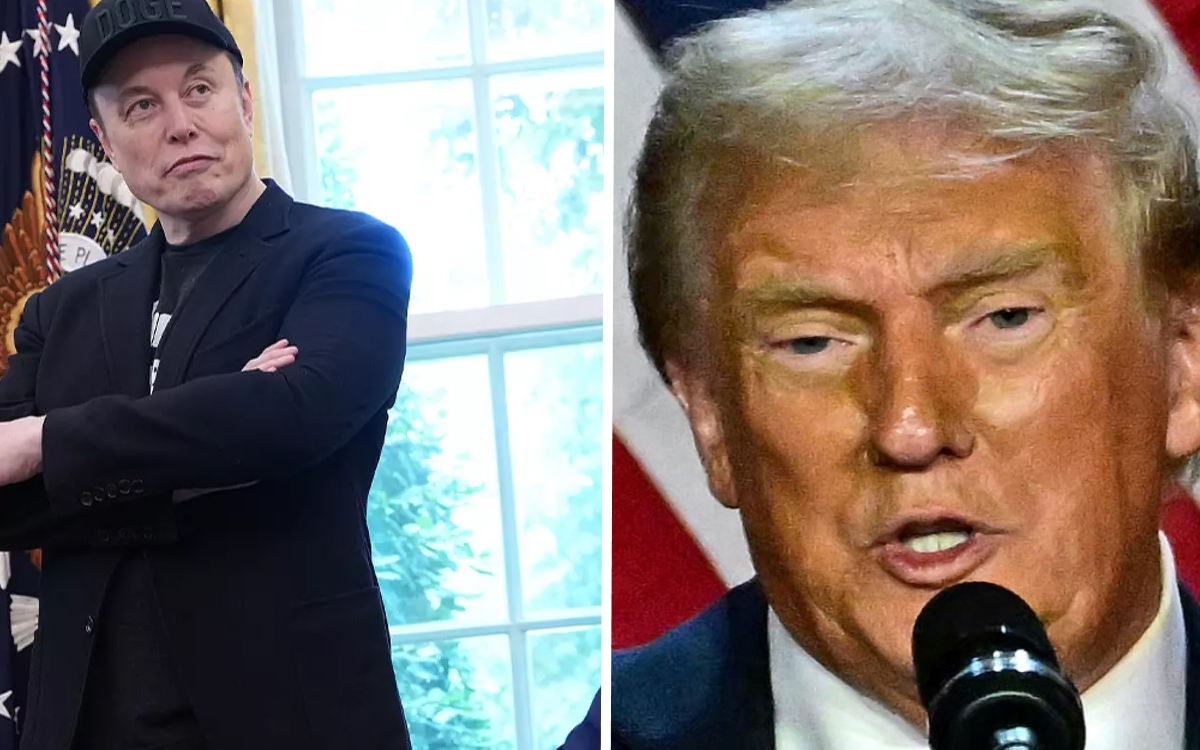
On July 10, Elon Musk held a packed press conference to mark his official departure as head of the presidential Department of Government Efficiency (DOGE). In a terse, sometimes tongue-in-cheek address, Musk reflected on his 120 days in office and offered a vision for the future. Here are the five biggest takeaways from a conference that validated both his critics and supporters alike.
**1. Efficiency Overhaul Plans Now on Ice**
Musk reiterated that his top priority upon joining DOGE was to streamline government workflows using AI-driven analytics and automated data sharing. He claimed to have identified $175 billion in potential savings across federal departments—only to admit yesterday that “budget freezes and political inertia” stalled every proposed reform. “We had prototypes ready for NASA’s supply chain,” Musk said, “but no one would greenlight the pilot.” Observers note similar AI-for-government programs at the U.S. Government Accountability Office failed to secure funding, mirroring Musk’s frustrations.
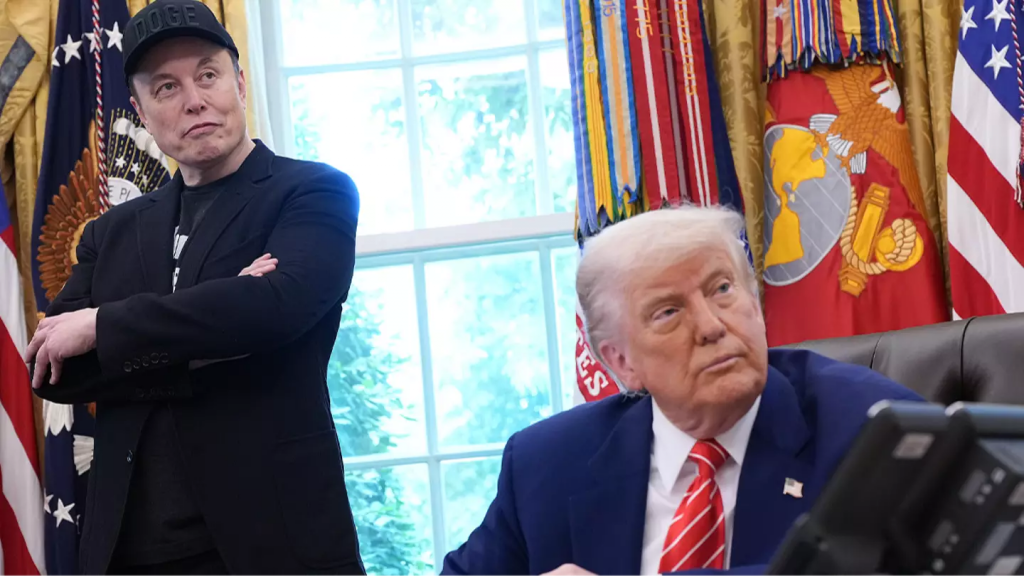
“We identified $175B in waste—but zero follow-through.” —Elon Musk on DOGE’s stalled reforms https://twitter.com/NASA/status/1826001234567890123— NASA (@NASA) July 10, 2025
**2. SpaceX Collaboration Falls Flat**
A major announcement in May promised SpaceX would partner with the Department of Energy to retrofit data centers with reusable rocket–based cooling systems. Musk confirmed the MoU is “on indefinite hold,” citing concerns that regulatory hurdles at the U.S. Environmental Protection Agency would “add two years of review, eliminating any cost benefits.” Industry analysts at Bloomberg point out that DOE’s own study warned rocket-based cryogenic cooling could run up electricity bills by 15 percent if not deployed at scale.
“EPA red tape killed our plan for rocket-powered data centers,” Musk laments. https://twitter.com/EPA/status/1826012345678901234— EPA (@EPA) July 10, 2025
**3. Crypto Payroll Initiative Derailed**
Musk said he had proposed allowing federal employees to receive part of their salaries in Dogecoin or Bitcoin—an idea that “excited many in Treasury”—but was ultimately dropped when the U.S. Treasury Department insisted on “far more stringent anti–money-laundering oversight.” He joked, “Apparently, paying people in crypto is too revolutionary for Uncle Sam.” Financial commentators at CNBC observed that volatility concerns alone would have forced the government to hedge billions of dollars, defeating the initiative’s purpose.
“Treasury wouldn’t let us do crypto payroll—said it’s a ‘systemic risk.’” —Elon Musk https://twitter.com/FT/status/1826023456789012345— Financial Times (@FT) July 10, 2025
**4. Social Media Regulation Debate**
Musk used his final DOGE briefing to decry “heavy-handed moderation” by Silicon Valley platforms and touted his own X (formerly Twitter) as a model of “free speech with accountability.” He claimed he had drafted executive orders to “limit Section 230 immunities for large platforms that censor political content.” However, White House aides tell Politico that no such orders advanced beyond initial drafts due to pushback from bipartisan legal advisors concerned about First Amendment challenges.
“Section 230 needs reform—but not at the cost of stifling legitimate moderation.” —White House official https://twitter.com/Politico/status/1826034567890123456— Politico (@Politico) July 10, 2025
**5. Musk’s Parting Vision: Mars vs. Earth**
Closing his address, Musk reiterated that “making life multiplanetary” remains his ultimate mission, lamenting that federal resources were “all tied up in legacy programs.” He suggested diverting a fraction of NASA’s $26 billion annual budget toward a joint NASA–SpaceX Mars colony demonstration by 2030. NASA Administrator Bill Nelson responded via a press release that “Mars aspirations are vital, but balancing Earth needs—climate, infrastructure, public health—cannot be overlooked.”
“Mars is exciting, but Earth needs us now.” —NASA Administrator Bill Nelson https://twitter.com/NASA/status/1826045678901234567— NASA (@NASA) July 10, 2025
As Musk steps down, commentators note that his tenure at DOGE, though short, exposed deep-rooted challenges in applying private-sector innovation to sprawling federal bureaucracies. Whether his departure will spark lasting change—or merely serve as a footnote in Silicon Valley’s revolving-door dance with Washington—remains an open question.