
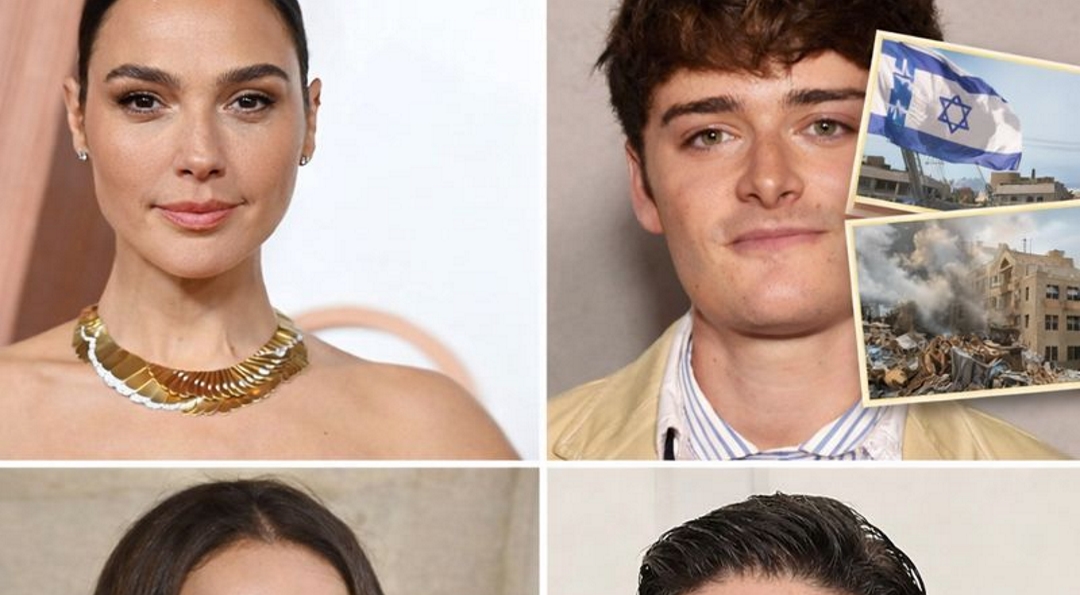
The letter didn’t arrive with fanfare. There was no press conference, no coordinated rollout, no warning. One moment it was circulating quietly inside private group chats. The next, it was everywhere — a signed declaration from more than 700 celebrities voicing support for Israel as the war intensified.
Within hours, Hollywood’s carefully curated image of unity collapsed. Actors, musicians, directors, and producers suddenly found themselves divided into camps, with fans demanding answers and critics accusing stars of selective outrage.
The letter framed its message around grief and fear, emphasizing the horror of attacks on Israeli civilians and calling for global solidarity. Supporters of the statement pointed to ongoing coverage of the violence and said the signatories were reacting emotionally to scenes that shocked the world.
But critics were just as loud. They noted what the letter didn’t include — no mention of Gaza, no acknowledgment of Palestinian civilian deaths, no call for restraint. For many, that silence felt deafening.
Almost immediately, social media erupted. Screenshots of the letter were reposted alongside furious captions. Fans demanded explanations. Former supporters announced boycotts. Others defended the signers, arguing that condemning terrorism should not require a perfectly balanced political essay.
Hollywood can’t even agree on how to grieve without turning it into a loyalty test.— Culture Lens (@CultureLens) December 2025
Industry insiders say the letter circulated privately for days before it went public. Some celebrities reportedly declined to sign, worried that taking any visible position would damage their careers. According to quiet conversations inside agencies, a handful of stars asked to have their names removed before publication.
Those who remained attached to the letter faced immediate scrutiny. Old interviews resurfaced. Past donations were dissected. Silence in the following days was interpreted as guilt, while clarifications were dismissed as damage control.
Several signers attempted to soften the backlash by posting follow-up statements expressing concern for all civilians caught in the conflict. But by then, the narrative had already hardened. Online spaces left little room for nuance.
Others refused to explain themselves at all. One publicist described the mood bluntly: “Anything you say makes it worse. Anything you don’t say makes it worse.”
If you speak, you’re wrong. If you don’t speak, you’re complicit. This is the trap celebrities are in right now.— Media Observer (@MediaObserverX) December 2025
At the same time, a counter-response emerged. Artists, writers, and activists released their own open letters demanding a ceasefire and greater focus on humanitarian aid. Some accused Hollywood of moral cowardice. Others accused it of moral absolutism.
The episode revealed a deeper fracture that has been building for years. Celebrity activism, once celebrated as courageous, has become a high-risk gamble in a hyper-polarized culture. Every statement is parsed. Every omission is weaponized.
Agents are now advising clients to stay quiet. Studios are watching audience reactions carefully. Brands are reassessing partnerships behind closed doors. What began as a single letter has turned into a case study in modern outrage economics.
Whether the signatories intended it or not, the letter forced Hollywood into a reckoning. The illusion that stars can speak on global crises without consequence has shattered. In its place is a harsher reality: visibility now comes with a price, and silence may cost just as much.
The war continues. So does the fallout. And long after the headlines fade, this moment will linger as another reminder that fame no longer shields anyone from the world’s deepest divisions.