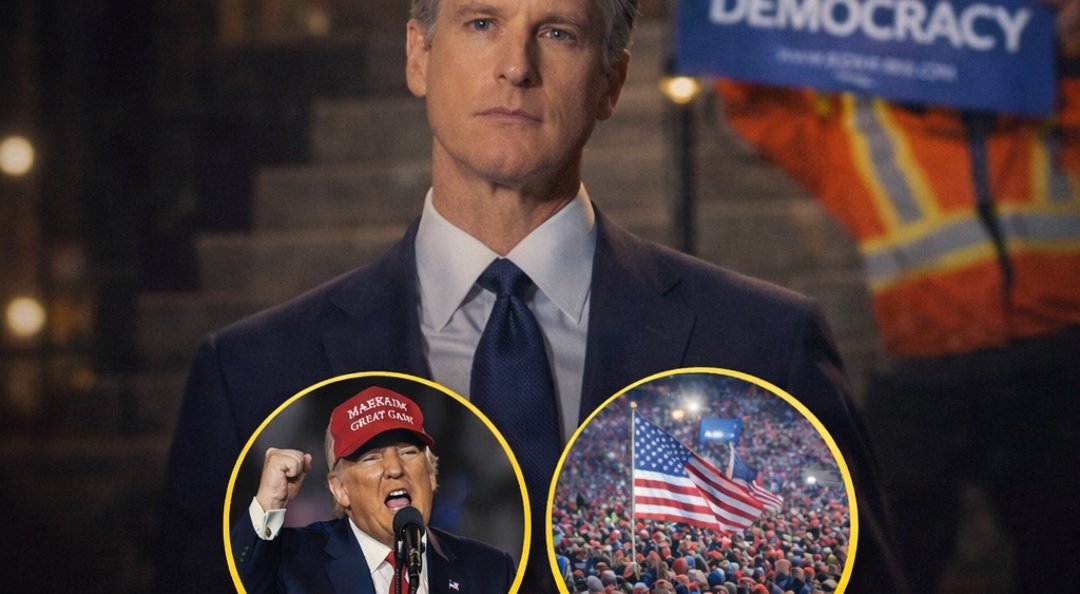
Perception matters in modern politics as much as arithmetic. Trump’s rallies and media presence project dominance. But polling averages and national approval snapshots tell a more complicated story. The tension between visible enthusiasm and measurable majority support is at the core of this dispute.
Republican leaders dismiss the framing as selective. They argue that the country remains closely divided and that labeling Trump as outside the majority ignores electoral realities. After all, a candidate does not need 60 percent support to win; they need a pathway through the system as it exists.
Yet the phrase “majority of Americans” resonates emotionally. It speaks to legitimacy. It implies moral weight. And in a hyperpolarized environment, legitimacy can shape turnout, donor confidence, and campaign momentum.
There is also a generational dimension emerging in 2026. Younger voters are aging into greater political influence, while older blocs remain reliable participants. How those demographic curves intersect will heavily influence whether Newsom’s argument gains traction or fades into partisan noise.
Beyond numbers, the cultural divide remains stark. For many Trump supporters, he represents disruption, defiance, and resistance to establishment politics. For many opponents, he symbolizes instability and institutional strain. Both narratives coexist, and neither fully captures the entire electorate.
That coexistence is why the “majority” claim is contested terrain. It is less about a single data point and more about defining the national mood. Are Americans leaning toward continuity or confrontation? Toward consolidation or upheaval?
In 2026, the answer is still unsettled. Approval ratings fluctuate. Economic conditions shift. Global events intrude on domestic politics. The electorate recalibrates in real time.
What is clear is that the battle over representation has become as strategic as any policy debate. Newsom’s statement is not merely commentary; it is positioning. Trump’s response — direct or indirect — will shape the next phase of this evolving narrative.
The argument over who represents the majority will ultimately be decided at the ballot box, not in press conferences. But as campaign infrastructure builds toward the next national vote, that framing may influence how voters see their own alignment.
In 2026, the country remains divided, energized, and uncertain. And the word “majority” has become one of the most powerful — and disputed — terms in American politics.