
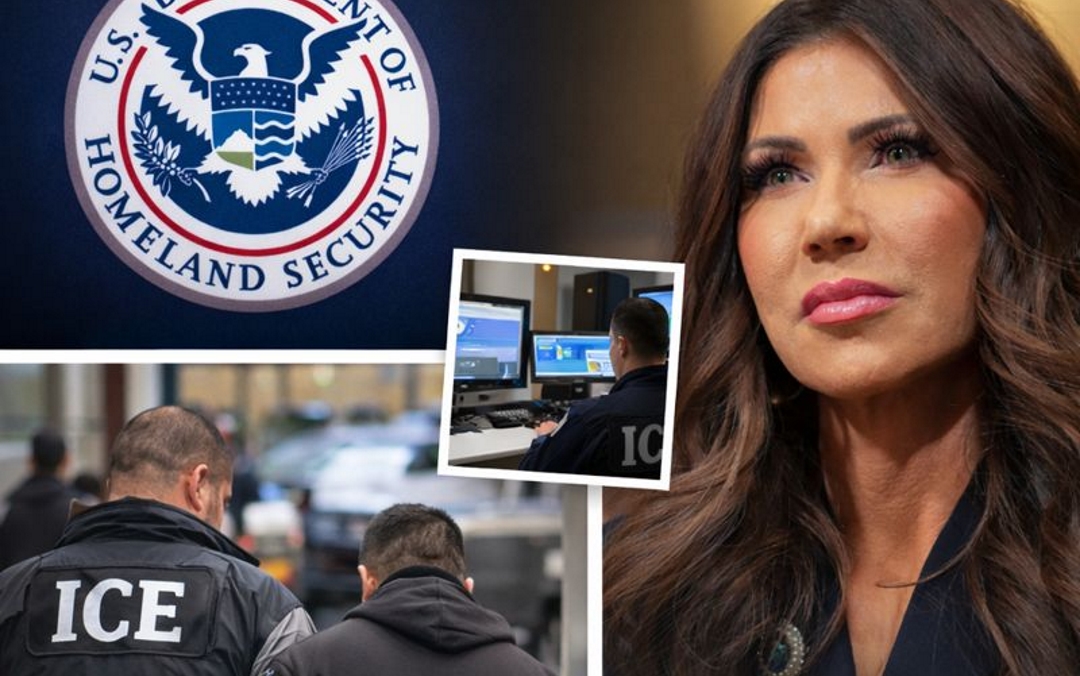
The arrests began quietly, then accelerated fast enough that immigration attorneys noticed before politicians did. Over the past several weeks, Homeland Security and Immigration and Customs Enforcement have sharply increased enforcement actions across multiple states, triggering fear inside immigrant communities and confusion among local officials.
According to internal tallies shared with advocacy groups, ICE field offices were instructed to widen their operational scope, prioritizing speed and volume over lengthy investigations. One legal aid coordinator said calls tripled overnight after a recent federal briefing circulated among enforcement partners.
Unlike previous crackdowns that focused on border regions, this surge has played out deep inside U.S. cities. Early-morning knocks, traffic stops, and courthouse arrests have been reported in Illinois, Texas, Florida, and New York, often catching families completely off guard.
Homeland Security officials argue the increase reflects “routine enforcement,” but internal emails obtained by watchdog organizations suggest a coordinated push tied to political pressure and expiring fiscal-year benchmarks. One message referenced “visible results” and urged agents to “maximize encounters,” language that alarmed civil rights lawyers.
Community advocates point to longstanding concerns about interior enforcement, warning that aggressive tactics discourage cooperation with police and destabilize entire neighborhoods. In several cases, individuals with no criminal history were detained after routine check-ins or minor infractions.
ICE data shows arrests rose sharply after months of stagnation, reversing a trend that had slowed earlier in the year. Analysts familiar with enforcement cycles say surges often coincide with election seasons, budget scrutiny, or leadership changes inside DHS.
For families, the impact is immediate and brutal. One woman in Houston described watching her husband taken away while dropping their child at school, saying agents never identified themselves until he was already handcuffed. Stories like hers spread rapidly through WhatsApp groups and community centers.
Legal organizations report that many detainees are being transferred quickly between facilities, making it harder for attorneys to locate clients. Some families only learned where their relatives were held after finding names listed in public detention databases days later.
Homeland Security leadership insists the operations target individuals with final removal orders, but advocates say that description hides a broader net. People with pending asylum claims, expired visas, or minor paperwork errors have also been swept up.
Behind the scenes, sources say ICE agents are under pressure to boost numbers amid criticism from hardline lawmakers who accuse the administration of being too lenient. One former official described it as “a numbers game dressed up as policy,” noting that similar surges occurred during past administrations under different political branding.
Local governments have responded unevenly. Some cities reaffirmed limits on cooperation with federal immigration enforcement, while others quietly increased coordination. In one Midwestern county, sheriff’s deputies resumed sharing booking information after months of resistance, citing “public safety concerns.”
Immigration courts are already strained, and attorneys warn the surge will deepen backlogs that leave cases unresolved for years. A senior lawyer pointed to recent caseload data showing judges handling thousands of cases each, raising questions about due process.
Within immigrant communities, fear has reshaped daily life. Parents are keeping children home from school, workers are skipping shifts, and churches report lower attendance at food banks and legal clinics. Advocates say the psychological toll mirrors earlier crackdowns that left lasting scars.
DHS officials have not indicated how long the surge will last, only saying enforcement remains “dynamic.” For those living under its shadow, that uncertainty may be the most destabilizing part, turning ordinary routines into calculated risks.
As arrests continue, pressure is building for clearer accountability and transparency. Whether this surge becomes a sustained policy shift or another temporary escalation, its consequences are already rippling far beyond detention centers, reshaping lives in ways statistics will never fully capture.