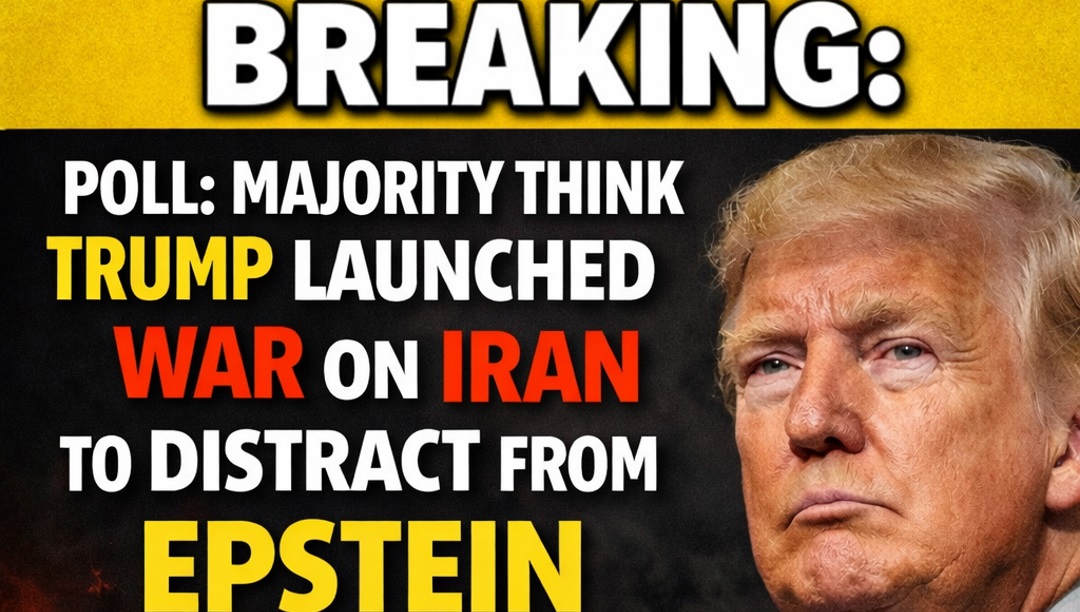
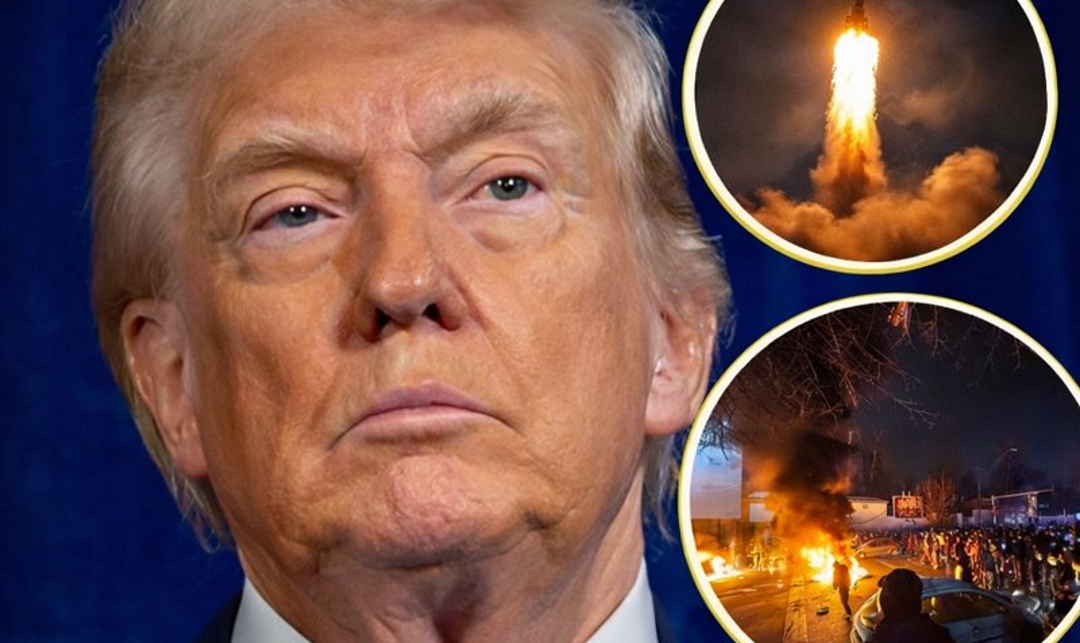
The warning came through official channels, but its tone was unmistakably blunt. Iranian leaders signaled that any future military action by Donald Trump against Iran would trigger swift retaliation against both the United States and Israel, a statement that landed amid growing unrest and a surge of deadly protests inside the country.
The timing has raised alarms among diplomats and intelligence analysts alike. Iran’s message did not emerge in isolation — it followed renewed speculation about Trump’s return to power, his past authorization of force in the region, and escalating internal pressure on Tehran after at least 116 people were killed during recent protests.
Iranian state media framed the threat as defensive, insisting the country would respond only if attacked. But Western officials interpreted the language as a preemptive deterrent aimed squarely at Trump, whose past decisions still loom large in Tehran’s strategic calculations, especially after the 2020 killing of Iranian General Qasem Soleimani, a moment that permanently reshaped regional tensions.
Security analysts quoted in recent assessments of regional escalation risks say Iran is increasingly using public warnings to influence political debates inside the United States, particularly as election season approaches.
Inside Iran, the backdrop is far more volatile. Protests that erupted over economic hardship and political repression have been met with overwhelming force. Human rights groups tracking the unrest say the death toll has climbed rapidly, with security forces accused of firing on crowds and carrying out mass arrests in multiple cities.
Images and videos circulating online show burning vehicles, armed patrols, and clashes that mirror earlier protest waves but appear more intense. Observers monitoring documentation of the crackdown say the scale of violence suggests authorities fear losing control.
The combination of domestic unrest and external threats has placed Iran in a precarious position. Some analysts argue the leadership is attempting to project strength abroad to counter growing vulnerability at home, particularly as economic sanctions continue to squeeze ordinary citizens.
Trump’s role in the equation remains central. During his presidency, he repeatedly warned Iran of “obliteration” if it attacked U.S. interests, language that Iranian officials have not forgotten. His recent campaign rhetoric, which includes renewed criticism of Iran’s nuclear ambitions, has reportedly prompted contingency planning within Iran’s military establishment.
One former U.S. intelligence official told reporters that Tehran is “signaling memory,” not escalation — reminding Washington that it has long-range missiles, proxy networks, and asymmetric tools capable of striking back if provoked, a strategy explored in analyses of Iran’s deterrence doctrine.
Iran’s warning isn’t about today — it’s about 2025 and beyond. Tehran is clearly messaging Trump as much as Washington. — Middle East Monitor (@MEastMonitor) April 2024
Israel, meanwhile, has been placed squarely in the crosshairs of Iran’s statement. Iranian officials reiterated that Israeli military or intelligence involvement in any future U.S.-led action would result in direct retaliation, reviving fears of a wider regional conflict that could draw in Hezbollah and other Iran-aligned groups.
Israeli defense officials have not publicly responded to the warning, but regional observers note that Israel has quietly increased readiness levels in recent weeks. Reports citing security briefings in Tel Aviv suggest planners are bracing for multiple scenarios, including cyberattacks and missile launches.
At the same time, the protest death toll inside Iran continues to fuel international outrage. Families of those killed have shared harrowing accounts of nighttime raids and forced disappearances, stories that have amplified calls for accountability from human rights organizations and foreign governments.
European officials have urged restraint on all sides, warning that inflammatory rhetoric combined with internal repression creates a combustible mix. Behind closed doors, diplomats worry that a single miscalculation — whether a strike, a protest crackdown, or a political provocation — could ignite a broader confrontation.
Iran is under pressure at home and abroad. History shows regimes often externalize crisis when they feel cornered. — Global Risk Watch (@GlobalRiskWatch) April 2024
For now, Iran’s message stands as a warning shot — not fired, but clearly aimed. As Trump’s political future remains uncertain and unrest inside Iran continues to simmer, the region is once again balancing on a thin line between deterrence and disaster.