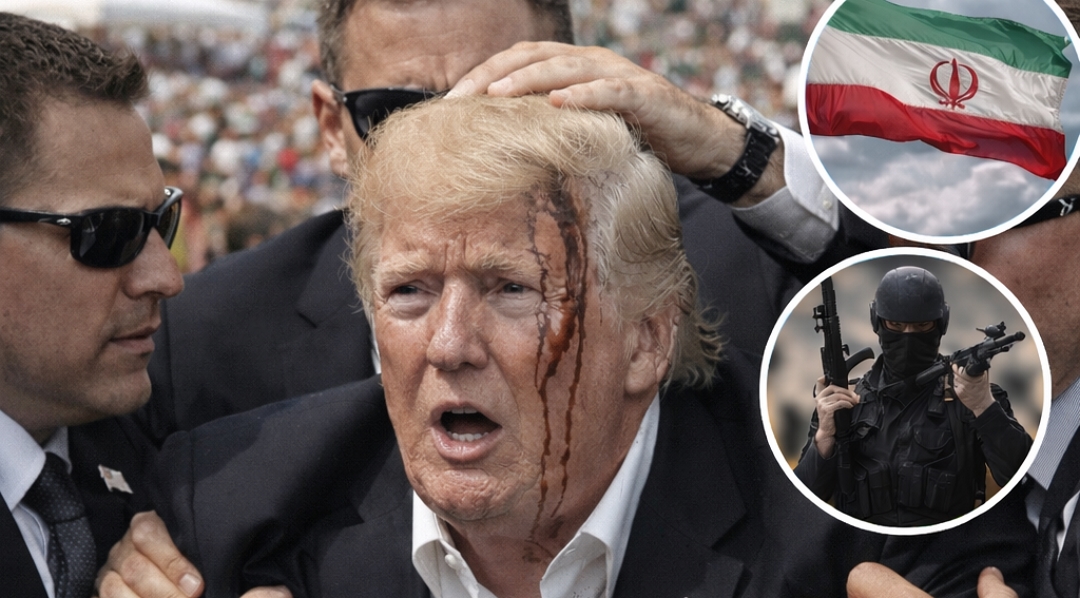
In the U.S., threats against a former president are treated with extreme seriousness regardless of the source, and the assessment does not depend on whether the threat came from a foreign government, an individual, or a broadcast. Protective agencies evaluate intent, capability, pattern, and whether the messaging could inspire copycats or lone actors who interpret it as permission to act.
The agency primarily responsible for presidential protection is the U.S. Secret Service, which routinely investigates threats and coordinates with federal and local partners. Even when officials do not publicly discuss protective details, elevated threats typically influence travel planning, venue security, staffing, screening procedures, and how closely online chatter is monitored.
The Iranian broadcast also collided with a broader pattern in which political violence and political language feed each other. A single menacing line on state TV can become content for extremist corners of the internet, where it can be reinterpreted, remixed, and used to glorify the idea of violence as a political tool.
That risk is not hypothetical. Security experts have long warned that violent rhetoric can function like a spark in dry grass, especially when audiences are already primed by conspiracy culture, grievance politics, or geopolitical anger.
At the same time, it is important to separate what is known from what is merely suggested. A threatening statement, even from a state-aligned broadcaster, is not the same thing as operational evidence of a planned attack, and it does not automatically indicate a direct order from the highest levels of government. But protective agencies are not in the business of assuming the best-case scenario, particularly after a world in which “unlikely” events have happened on camera.
Trump’s allies framed the remark as proof that he remains a target of hostile foreign actors and argued that the U.S. should respond forcefully to any rhetoric that appears to encourage assassination. Critics of Trump, while condemning threats as unacceptable, warned against using a dangerous message as political fuel in a domestic fight.