Diplomatically, statements like this also complicate already fragile channels. Even when official spokespeople remain silent, hostile messaging can tighten the political space for negotiation, because leaders on both sides face internal pressure not to appear weak.
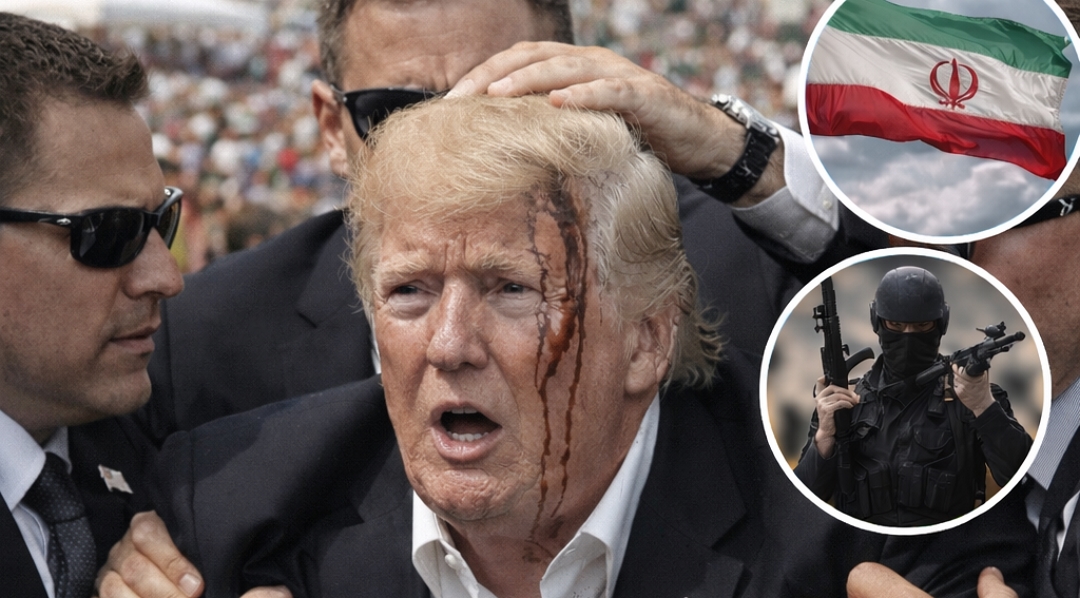
For Iran, hardline messaging can serve multiple purposes at once: rallying domestic supporters, projecting strength externally, and reinforcing the idea that the regime remains in a permanent struggle with the United States. For American audiences, it can read as something else entirely: an ominous signal that a foreign adversary is willing to flirt with political assassination rhetoric on public airwaves.
What happens next depends on whether U.S. officials treat the broadcast as noise, as a propaganda stunt, or as part of a wider threat environment that includes online actors and transnational networks. In the background, security assessments will continue quietly, because that is how protection works: the public sees the headline, while agencies track the details most people never know exist.
One thing is nonnegotiable in any democracy: threats of political violence are never normal, never acceptable, and never harmless, even when they are packaged as “messaging.” In a moment where tension is already high, that kind of language does not just inflame opinion, it raises the stakes.