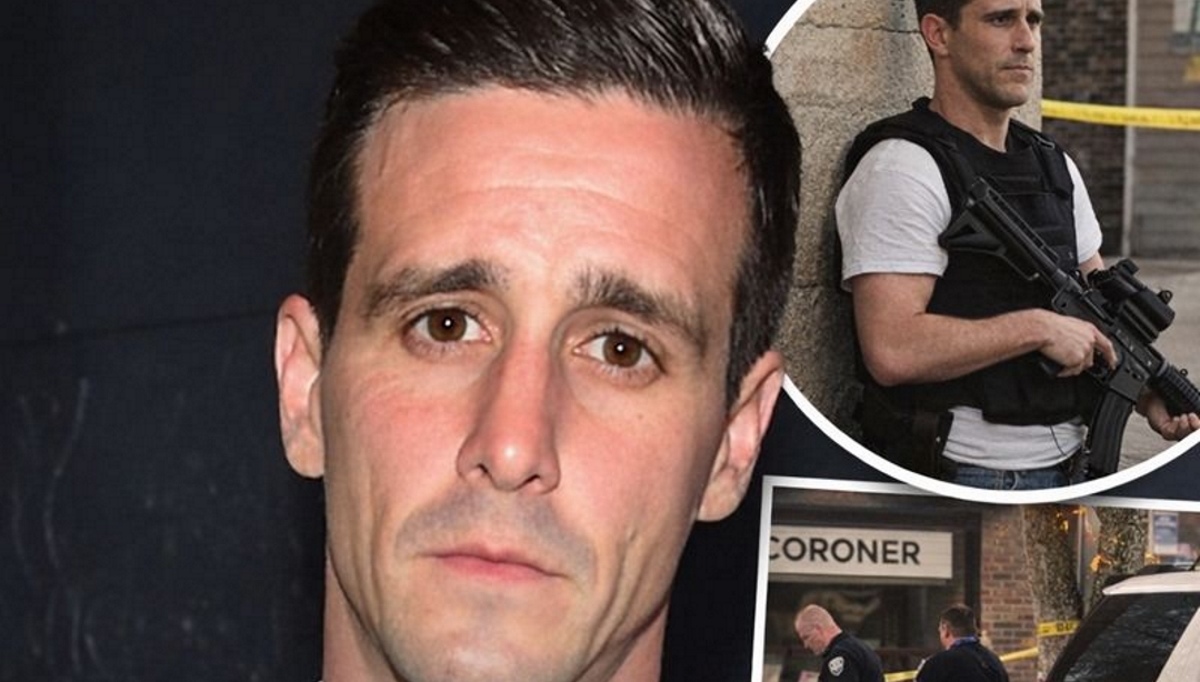
The entertainment world is reeling after news broke that James Ransone, the acclaimed actor known for his raw performances, has died at the age of 46. Police confirmed that Ransone took his own life, a revelation that has sent shockwaves through fans, colleagues, and the broader acting community.
Authorities released limited details surrounding his death, emphasizing that there is no indication of foul play. Officials said the circumstances point to a self-inflicted act, and they urged the public to respect the privacy of Ransone’s family as they grieve an unimaginable loss.
Ransone built a reputation as one of the most fearless character actors of his generation, often inhabiting damaged, complicated figures with unsettling honesty. His portrayal of Ziggy Sobotka on The Wire remains one of the show’s most heartbreaking arcs, a performance that critics still cite as a defining moment in modern television, frequently referenced in retrospectives like industry breakdowns of the series’ legacy.
In IT: Chapter Two, Ransone reached a new audience as Eddie Kaspbrak, bringing vulnerability and humor to a story rooted in fear and trauma. Fans revisiting his work have shared clips and scenes across social media, reflecting on how deeply his performances resonated, a reaction mirrored in analysis of the film’s cast.
James Ransone could say more with one look than most actors could with a monologue. This hurts. — Film critic (@ReelPerspective) Dec 2025
Police said they are not releasing further specifics out of respect for the family, noting that investigations into deaths of this nature prioritize dignity and accuracy. Law enforcement officials echoed guidance commonly outlined in standards for reporting on suicide, urging restraint around speculation.
Colleagues and fans alike described Ransone as intensely committed to his craft, but also as someone who carried visible emotional weight. Mental health advocates noted that the tragedy underscores a persistent reality in the entertainment industry, where pressure and isolation can collide behind the scenes, themes explored in reporting on mental health among performers.
This is a brutal reminder that talent doesn’t shield anyone from pain. — Actor (@StageAndScreen) Dec 2025
Tributes have poured in from across Hollywood, with many highlighting Ransone’s generosity on set and his willingness to take creative risks. Directors and co-stars remembered him as an actor who never chased fame, only truth, a quality that made his work linger long after the screen went dark.
Mental health organizations used the moment to encourage those struggling to seek help, emphasizing that conversations sparked by loss can save lives. Resources shared alongside the news referenced the 988 Suicide & Crisis Lifeline in the U.S. and similar services internationally.
For fans, the loss feels deeply personal. Ransone’s characters often mirrored real human fragility, and many now say his work feels even more haunting in light of his death. Scenes from The Wire and IT: Chapter Two are being rewatched not just as entertainment, but as reminders of the depth he brought to stories about pain, fear, and survival.
As the industry mourns, attention has turned toward honoring Ransone’s legacy without sensationalizing his death. Advocates stress that remembering his art, rather than the circumstances of his passing, is the most meaningful tribute.
James Ransone leaves behind a body of work that captured the messy, often uncomfortable truths of being human. His death is a devastating loss, but his performances remain — raw, unforgettable, and painfully alive.