
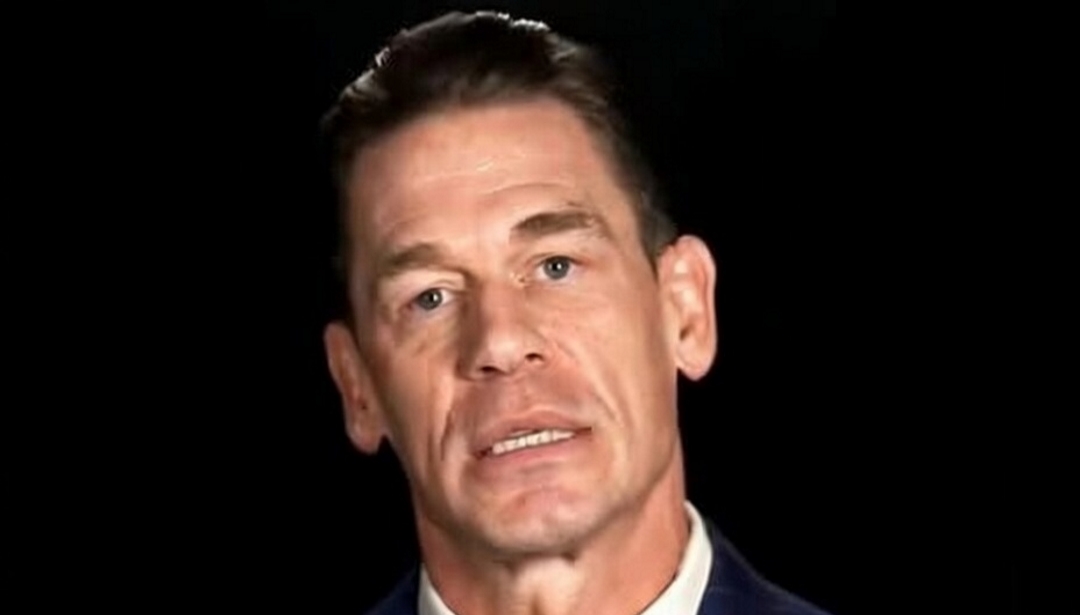
For years, John Cena cultivated an image built on endurance, discipline, and near-mythic toughness. Inside the ring and on screen, he was the embodiment of resilience. But behind that carefully maintained public persona, the former WWE champion was quietly fighting a very different battle.
In recent interviews, Cena confirmed that he has been diagnosed with skin cancer—not once, but multiple times. The revelation marked a rare moment of vulnerability from a figure long associated with invincibility, and it immediately reshaped how fans understood his life beyond the spotlight.
Cena explained that the diagnosis stemmed from years of sun exposure during his early career. Growing up in Massachusetts and later spending countless hours outdoors for wrestling events, training, and filming, he rarely prioritized sunscreen. At the time, he didn’t consider it a risk worth worrying about.
That changed after doctors discovered cancerous spots that required surgical removal. Cena described the experience as jarring—not just physically, but psychologically. For someone who had built a career on pushing his body to extremes, being confronted with mortality was deeply unsettling.
In a candid conversation that resonated widely, Cena admitted the diagnoses forced him to reevaluate how he treated his health. He spoke openly about fear, uncertainty, and the shock of realizing that strength does not make anyone immune to illness.
One of the most striking aspects of his admission was how long he kept it private. Cena chose not to disclose his condition at the time of diagnosis, continuing to work and appear publicly without acknowledging what was happening behind the scenes.
That silence, he said, was intentional. He wanted to process the reality on his own terms before sharing it with the world. But eventually, he realized that speaking out could serve a larger purpose.
“I was stubborn,” Cena acknowledged, reflecting on his earlier disregard for sun protection. He now uses his platform to emphasize prevention, stressing that cancer does not discriminate based on fitness, fame, or perceived toughness.
Medical experts have echoed his message, noting that skin cancer is one of the most common—and most preventable—forms of cancer when early detection and protection are prioritized. Cena’s story underscores how even those who appear indestructible can be at risk.
Details of his experience were first shared publicly in interviews such as his conversation discussing multiple skin cancer diagnoses, where he described the emotional weight of hearing the word “cancer” for the first time.
Rather than framing himself as a victim, Cena emphasized accountability. He acknowledged that earlier education and simple habits—like consistent sunscreen use—might have reduced his risk. That honesty struck a chord with fans who saw themselves reflected in his past complacency.
Since going public, Cena has become a vocal advocate for skin health awareness. He encourages routine dermatology checkups and urges younger audiences, especially athletes and outdoor workers, to take sun exposure seriously.
The announcement also reframed how many fans interpreted his recent career shift. Cena has gradually reduced his physical wrestling appearances, focusing more on acting and hosting. While those choices were never directly attributed to his health, the diagnosis added new context.
Despite the seriousness of the revelation, Cena has been clear that his prognosis is positive. The cancers were detected early and treated successfully. He continues to work at a demanding pace, balancing film projects, public appearances, and advocacy work.
Health professionals frequently point to stories like Cena’s as powerful tools for awareness. As noted in guidance from the American Cancer Society on skin cancer risks and prevention, early detection significantly improves outcomes.
What made Cena’s disclosure especially impactful was its tone. There was no dramatization, no attempt to generate sympathy. Instead, he spoke plainly—almost clinically—about something that had profoundly affected him.
Fans responded with a mixture of surprise and admiration. Many praised his willingness to acknowledge vulnerability after years of projecting unbreakable strength. Others expressed gratitude for a message that may prompt them to take their own health more seriously.
In breaking his silence, Cena didn’t just confirm a diagnosis. He dismantled a long-standing myth—that toughness equals immunity—and replaced it with something far more human.
For a man whose career was built on never backing down, acknowledging cancer may be one of the bravest moments yet.