
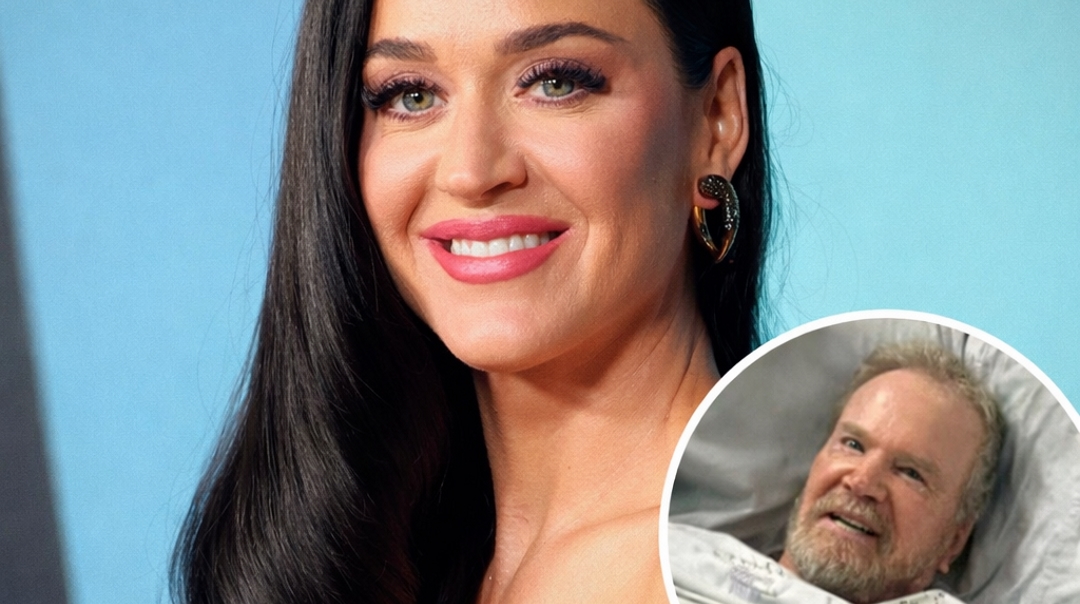
A long-running legal battle involving Katy Perry and a disabled military veteran has taken a dramatic turn, with court rulings indicating the pop star will receive roughly $2 million following years of lawsuits, appeals, and public controversy. The case, which centers on the sale of a multimillion-dollar California property, has sparked intense debate over power, consent, and the limits of legal accountability.
The dispute traces back to a luxury home transaction that began as a straightforward real estate deal and evolved into a complex courtroom fight. The veteran at the center of the case, an elderly man with documented health issues, later argued that he lacked the mental capacity to complete the sale. Perry and her representatives countered that the agreement was legally valid and entered into knowingly.
What followed was years of litigation that drew national attention. Medical testimony, psychiatric evaluations, and conflicting accounts of the veteran’s condition became central to the case, transforming it from a property dispute into a broader ethical debate about fairness and consent.
At various points, courts examined whether the veteran was competent at the time the contract was signed and whether the sale should be reversed. Ultimately, judges ruled that the transaction would stand, rejecting claims that the agreement was invalid due to incapacity.
The latest development centers on damages and compensation tied to the prolonged legal fight. According to court findings, Perry is entitled to approximately $2 million to cover losses connected to the delayed sale, legal expenses, and other costs incurred during the dispute.
As reporting on the case explained, the ruling does not hinge on celebrity status but on contract law principles, with judges emphasizing that signed agreements remain enforceable unless clear evidence of incapacity is proven.
Still, the outcome has ignited backlash. Critics argue that the optics of a global superstar receiving millions from a disabled veteran feel deeply uncomfortable, regardless of the legal justification. Advocacy groups have questioned whether the legal system adequately protects vulnerable individuals in high-stakes financial transactions.
Supporters of Perry’s position counter that the courts repeatedly reviewed medical evidence and testimony before reaching their conclusion. They argue that reversing the deal would have undermined the integrity of contracts and set a precedent allowing agreements to be voided long after the fact.
Perry has not framed the situation as a personal victory. In previous statements through her legal team, she emphasized that she followed the law and relied on court decisions, not personal leverage. Her representatives have stressed that the dispute became prolonged due to repeated legal challenges rather than any refusal to compromise.
The veteran’s legal team, meanwhile, has maintained that the case was never just about property but about dignity and protection for someone they believe was taken advantage of. They have continued to pursue appeals and public advocacy even as court rulings moved against them.
Legal experts note that cases involving capacity are among the most difficult in civil court. Mental competence can fluctuate, documentation can conflict, and hindsight often reshapes perceptions of past decisions. Judges are typically forced to weigh imperfect evidence rather than clear-cut answers.
In coverage analyzing the broader implications, legal analysts noted that the ruling reinforces how high the bar is for overturning signed contracts, even when health concerns emerge later.
The financial aspect of the case has drawn the most attention, but the emotional toll has been significant on both sides. The veteran’s health deteriorated during the years-long battle, and the drawn-out proceedings became a symbol of how legal disputes can outlive the circumstances that sparked them.
For Perry, the case unfolded largely outside the spotlight of her music career, yet it followed her persistently. Fans expressed confusion and discomfort as headlines framed the dispute in stark moral terms rather than legal nuance.
The court’s decision does not end public disagreement. Even with judgments in place, the case has become a lightning rod for conversations about celebrity power, elder protection, and whether legal correctness always aligns with moral comfort.
What complicates the narrative further is that neither side appears to have “won” in a traditional sense. Years of legal fees, stress, and public scrutiny have left lasting marks. The $2 million figure represents a legal resolution, not emotional closure.
The veteran’s supporters argue that reforms are needed to better safeguard older or disabled individuals entering major financial contracts. Perry’s defenders argue that courts cannot selectively enforce contracts based on sympathy without destabilizing the legal system.
As it stands, the ruling underscores a hard truth: the law often delivers outcomes that feel cold, even when they are procedurally sound. Judges are tasked with interpreting statutes and evidence, not balancing public discomfort.
The case also serves as a cautionary tale about how private transactions can spiral into public battles when health, wealth, and fame intersect. Once the legal machine is set in motion, control over the narrative quickly slips away.
For now, the decision stands, and Katy Perry is legally entitled to the payment. Whether further appeals or settlements alter that outcome remains to be seen.
What is clear is that the dispute has left a lasting imprint on how celebrity legal cases are perceived — not just as courtroom dramas, but as moral flashpoints where legality and humanity collide.
In the end, the story is less about pop stardom and more about the uneasy space where law, vulnerability, and money overlap — a space where even clear rulings can feel deeply unresolved.