
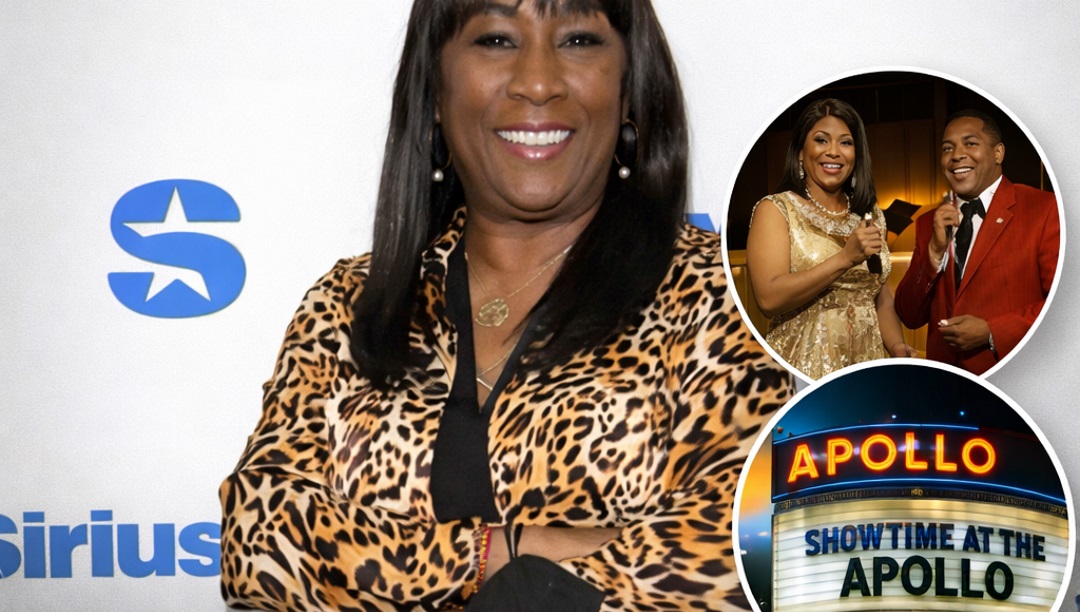
Kiki Shepard, best known to generations of television viewers as the poised and welcoming presence on Showtime at the Apollo, has died at the age of 74, prompting tributes from colleagues, performers, and fans who remembered her as a steady figure behind one of television’s most influential music showcases.
For many viewers, Shepard was more than a co-host. She was part of the rhythm of the show itself — the familiar smile that helped guide audiences through nights that could launch careers or end in the famous sound of the Apollo’s “Sandman” sweeping unsuccessful performers off the stage.
Her role may have seemed effortless on screen.
But those who worked with her often described a professional deeply committed to making performers feel comfortable in a space known for its brutally honest audience reactions.
“Showtime at the Apollo,” filmed at Harlem’s legendary Apollo Theater, played a major role in introducing new talent to national audiences throughout the late 1980s and 1990s. The program became known not only for discovering artists, but for capturing the raw energy of live performance.
You can read more about the Apollo Theater’s cultural legacy here:
Apollo Theater history and cultural impact
Shepard’s presence helped balance the unpredictability of live entertainment with professionalism. While the spotlight often focused on performers and headline hosts, she became a familiar constant — someone audiences trusted to carry the show forward no matter what happened on stage.
Colleagues frequently noted that her off-camera personality matched what viewers saw.
Friends described her as encouraging to young performers and respectful to crew members, the kind of industry professional who understood that television success depends as much on teamwork as talent.
Tributes that began appearing after news of her death reflected that reputation. Former performers shared memories not only of the show itself, but of small gestures — kind words backstage, reassurances before performances, and conversations that continued long after cameras stopped rolling.
Her career also reflected a broader era of television when music variety programs served as major gateways for emerging talent, long before social media gave artists alternative paths to recognition.
Media historians often point to programs like Showtime at the Apollo as part of a lineage of performance platforms that helped shape modern entertainment discovery.
You can explore how television talent showcases influenced the music industry here:
Overview of popular music and television exposure
While Shepard may not have always been the headline name, her contribution reflected something essential about television: the importance of people who hold productions together without always being the center of attention.
For viewers who grew up watching the show, her passing represents more than the loss of a television personality. It marks the passing of a familiar face connected to a specific era of live entertainment — a time when discovering new voices meant tuning in at a certain hour rather than scrolling a feed.
Details surrounding her death have not been widely discussed publicly, and her family has requested privacy as tributes continue.
What remains clear from those remembering her is the consistency of one theme:
That behind the bright lights of a historic stage, Kiki Shepard helped make people feel seen.
And for many who passed through the Apollo’s doors, that may be the legacy they remember most.