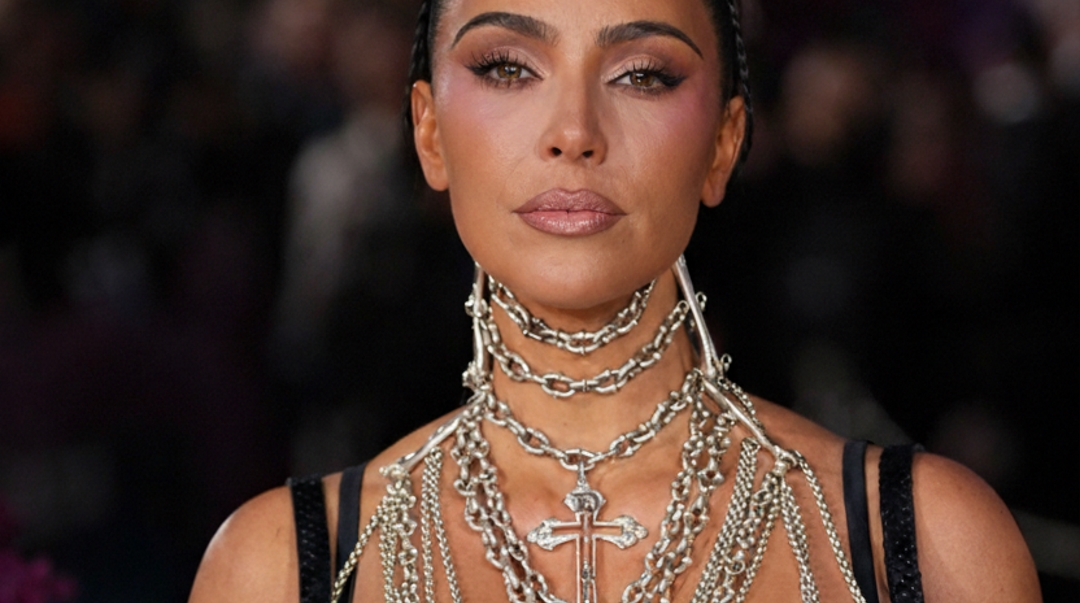
Kardashian has spoken candidly about how men would sometimes project fantasies or insecurities onto her, treating her success as either a threat or a trophy. In some cases, she felt she had to downplay her intelligence or achievements to make others comfortable. In others, she felt reduced to her image, as if her humanity was secondary to her visibility.
Those experiences didn’t always involve strangers. She has suggested that even men she dated or trusted sometimes behaved differently once the doors were closed, revealing resentment, control issues, or entitlement that hadn’t been obvious at first. Fame, she says, magnified those traits rather than creating them.
Psychologists who study celebrity culture often note that extreme fame distorts interpersonal relationships. According to research on how fame alters relationship dynamics, public recognition can cause others to dehumanize celebrities, treating them as symbols rather than individuals with emotional boundaries.
Kardashian’s reflections align with that pattern. She has described moments where men assumed she would tolerate disrespect because of her status, or conversely, expected gratitude simply for treating her decently. Both reactions, she says, stem from the same root problem: fame replacing empathy.