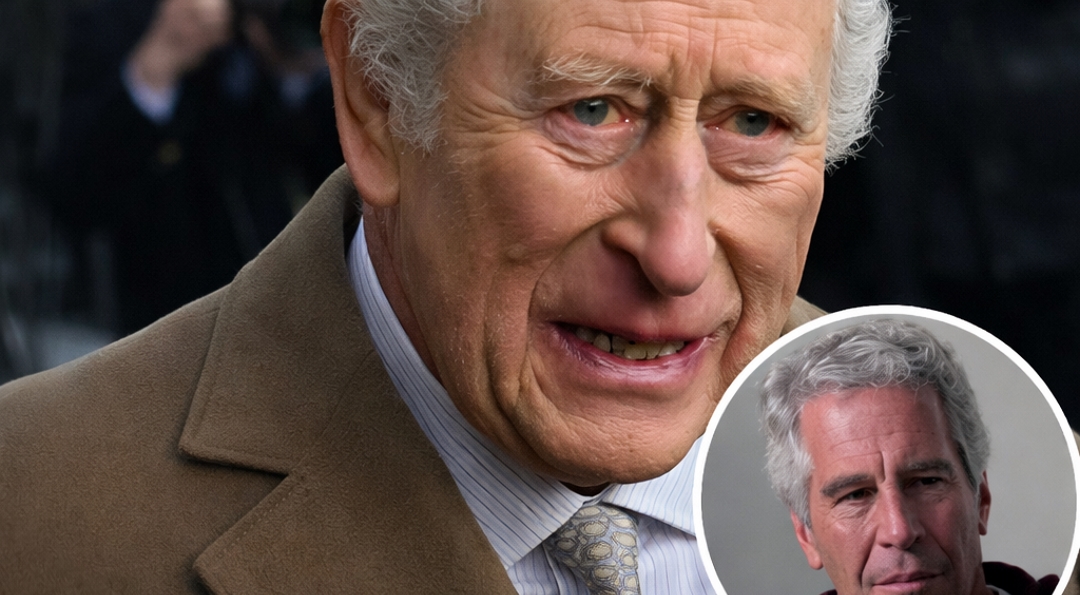
Inside royal circles, the timing could hardly be worse. King Charles is still navigating his early reign, seeking to modernize the monarchy while projecting stability. The reemergence of the Epstein scandal threatens to drag the crown back into a chapter it has worked relentlessly to close.
Palace insiders say Charles’s response was shaped by hard lessons learned during the Queen’s final years. Rather than issuing sweeping denials or emotional defenses, the king has opted for a strategy of minimal engagement, reinforcing that Prince Andrew no longer represents the monarchy in any official capacity.
That distancing is not symbolic. Andrew was stripped of his military titles and patronages, no longer appears at public royal engagements, and has largely vanished from ceremonial life. Charles reportedly reiterated that this arrangement remains unchanged, regardless of media cycles.
Still, public reaction has been fierce. Advocacy groups and critics argue that silence, even strategic silence, risks appearing indifferent to victims. Others counter that the legal system has already run its course, and that continued focus on Andrew serves more to inflame outrage than deliver justice.
International media coverage has amplified the tension. A detailed report by The Guardian’s analysis of the Epstein file release noted that while no new allegations were introduced, the symbolic weight of seeing familiar names in black-and-white court records reignited public distrust.
Charles’s private remarks, though measured, appear designed to reassure both the public and the institution’s allies that the monarchy will not be drawn into further commentary. “The king understands the sensitivity,” one source said, “but he will not allow the crown to be defined by accusations that have already been addressed legally.”
Behind the scenes, royal aides are reportedly bracing for continued fallout. Polling data suggests that younger audiences remain deeply skeptical of the monarchy’s handling of scandals, particularly those involving power and accountability. Each resurgence of the Epstein case risks widening that generational divide.
For Andrew, the consequences are unlikely to change. He remains excluded from public life, financially dependent on private arrangements, and widely viewed as a liability to the institution. Charles’s response appears less about defending his brother and more about drawing a clear boundary around the monarchy itself.
Legal experts have also weighed in, pointing out that the release of documents does not equate to guilt, but acknowledging that reputational damage can be severe regardless of legal outcomes. An explainer published by the BBC on what the Epstein documents actually reveal underscored how easily public perception can blur legal nuance.
What remains unresolved is whether the monarchy’s strategy of quiet containment will succeed. Each time the Epstein story resurfaces, it tests the palace’s ability to control narrative in an era dominated by social media and instant outrage.
For King Charles, breaking his silence was not about offering new information. It was about reaffirming a line he has drawn since ascending the throne: the actions and controversies of individual family members will not dictate the direction of his reign.
Whether that approach satisfies a public hungry for accountability is another question entirely. But for now, the king has made his position clear, choosing restraint over spectacle, and distance over defense, as the monarchy once again finds itself navigating the shadows of its past.