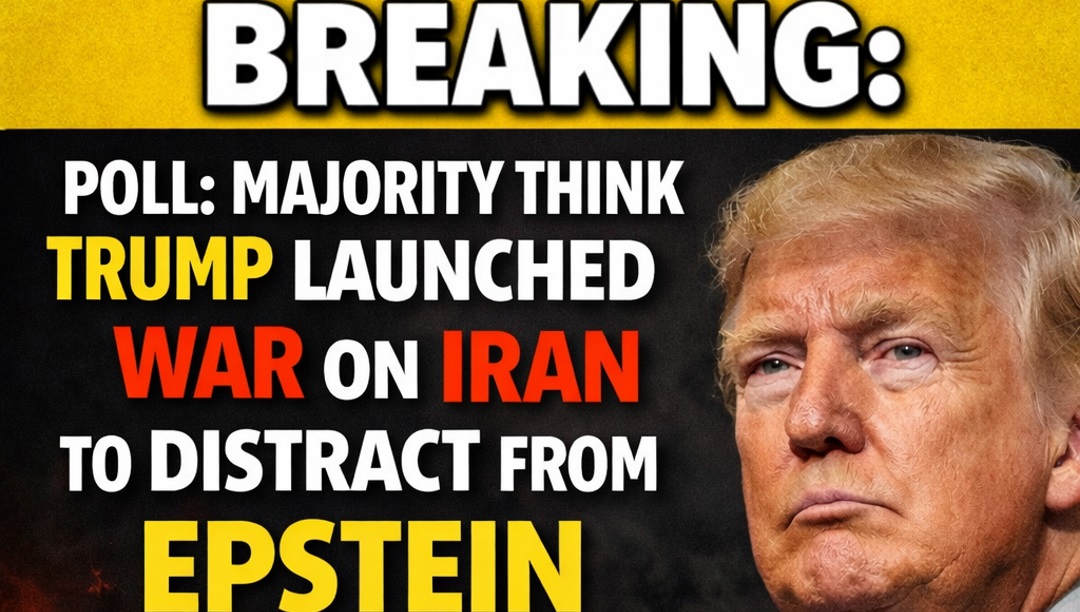
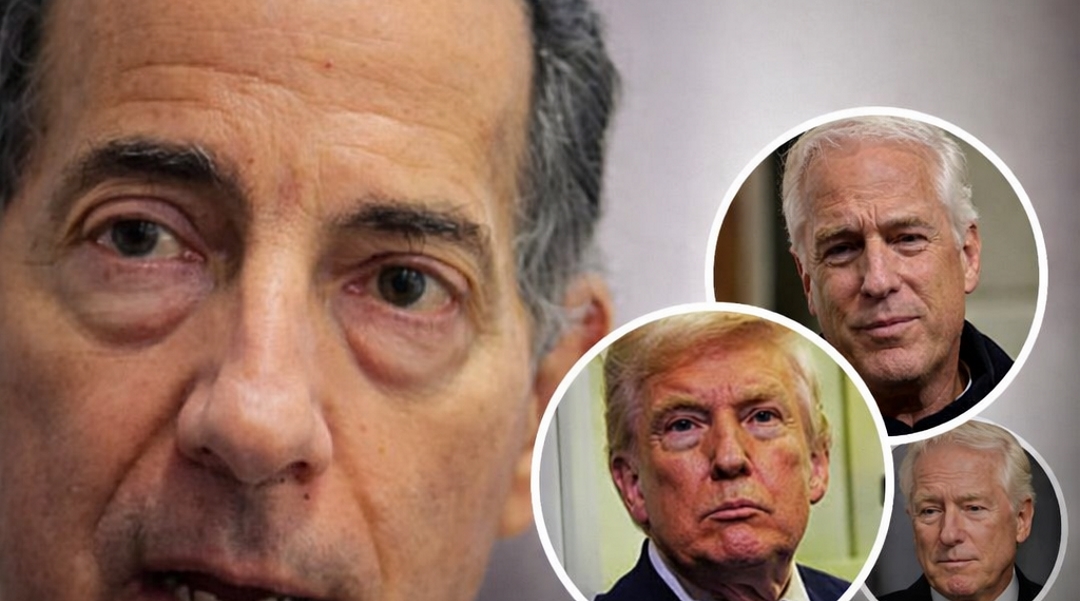
Trump has previously acknowledged knowing Epstein socially in the 1990s and early 2000s but has repeatedly denied any wrongdoing or involvement in criminal activity connected to Epstein. In earlier public comments, he has said he eventually distanced himself from the financier long before Epstein’s arrest.
Legal experts caution against drawing conclusions solely from the presence of a name in investigative records. High-profile individuals often appear in documents because of social, professional, or peripheral associations. Without additional context, repetition alone does not establish culpability.
Still, the political ramifications are difficult to ignore. The Epstein case has become a lightning rod across party lines, with lawmakers and activists demanding fuller disclosure of documents believed to shed light on powerful figures who may have had contact with him.
Public pressure for transparency intensified following Epstein’s death in federal custody, which was officially ruled a suicide. The circumstances surrounding his death have continued to generate skepticism and congressional inquiries. As reported by NBC News, investigations identified procedural failures within the jail but found no evidence contradicting the medical examiner’s determination.
The congressman’s claim adds another layer to an already complex narrative. Critics of Trump argue that any repeated appearance in sensitive files warrants further scrutiny. Supporters counter that political motivations may be driving selective disclosures or exaggerated characterizations.
On Capitol Hill, calls for releasing additional unredacted documents have grown louder. Some lawmakers advocate for full transparency, arguing that public confidence depends on equal accountability regardless of status or party affiliation. Others warn that releasing raw investigative materials without context could risk misinterpretation or privacy violations.