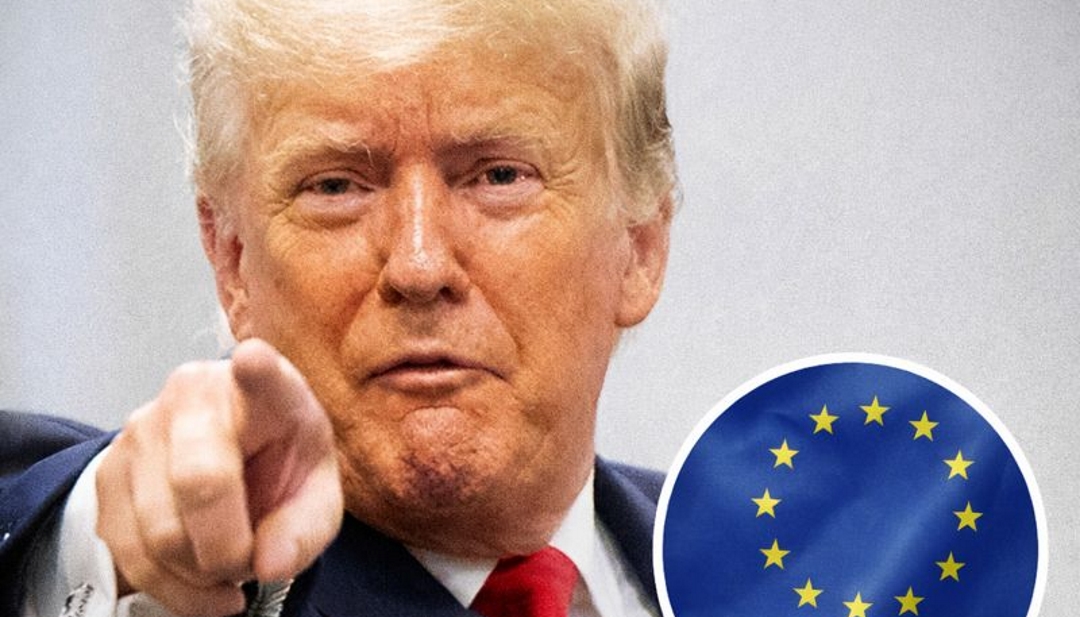
European officials reacted with alarm. Several governments warned that the decision could trigger retaliatory measures and disrupt transatlantic travel, trade, and diplomacy. Sources speaking to European affairs correspondents described the move as “deeply destabilizing.”
The ban has also raised concerns for airlines, multinational companies, and U.S. citizens with family ties across Europe. Travel industry analysts cited in business impact reporting warned of immediate economic fallout if restrictions remain in place.
Supporters of the move argue the ban is long overdue and reflects Trump’s hardline stance on immigration enforcement. Critics counter that targeting close allies undermines intelligence sharing and global cooperation, a risk highlighted in national security analysis.
The full list of banned EU countries has not yet been formally published, but officials indicated additional nations could be added depending on diplomatic response. Immigration lawyers told legal affairs reporters that challenges are likely once enforcement begins.
As confusion spreads among travelers and governments alike, embassies across Europe are urging citizens to delay non-essential travel to the United States until clearer guidance is issued.
The ban marks a dramatic escalation in Trump’s approach to Europe — and signals that immigration is once again becoming a central flashpoint in global politics.