In the hospital, he woke up surrounded by tubes, monitors, and silence. The realization of what had happened didn’t come all at once—it arrived in waves.
“At first, I was just grateful to be alive,” he said. “Then the shock wore off.”
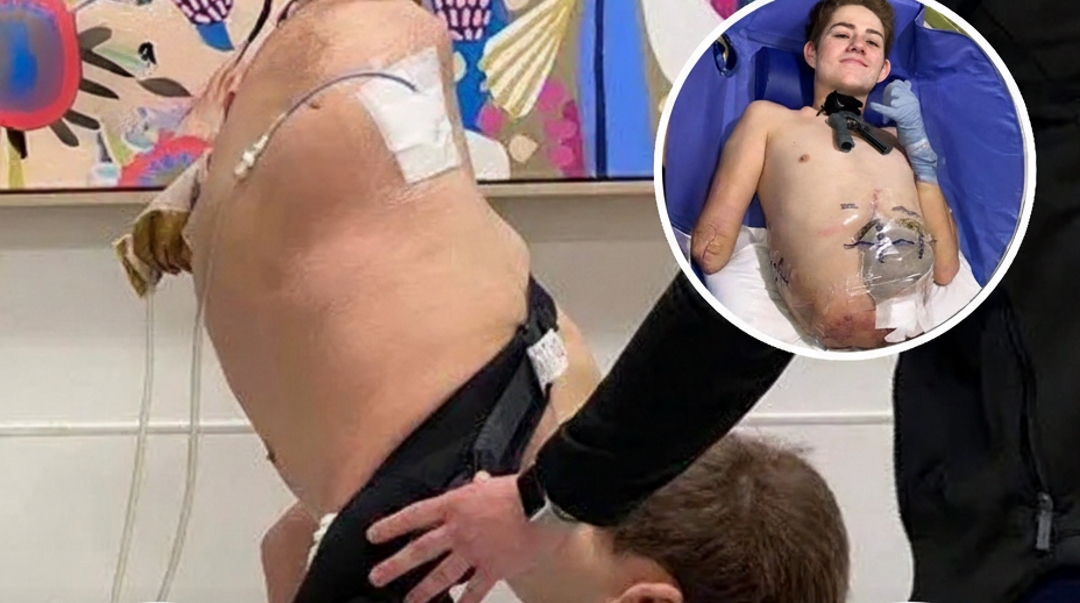
That was when the emotional weight hit. He had lost parts of his body. His independence. His old sense of self. Things most people never think twice about—standing, walking, working—were suddenly enormous challenges.
Physical pain was constant, but he says the mental struggle was even harder. Survivors of severe trauma often experience depression, anxiety, and identity loss, something trauma specialists say is common after life-altering injuries.
According to medical research on traumatic injury recovery, patients frequently struggle with grief for their former lives, even when they are grateful to have survived.
For him, the smallest moments became emotional milestones. Sitting up alone. Learning how to transfer from bed to chair. Using prosthetics for the first time.
“You don’t just relearn how to move,” he explained. “You relearn who you are.”
Rehabilitation was grueling. Progress was slow. Some days felt impossible. But he credits physical therapists and mental health counselors for helping him push forward when he wanted to give up.
Family support played a critical role. Loved ones were present every step of the way, helping him through setbacks and celebrating even the smallest victories.
Still, there were moments of anger and grief. He admits there were nights when he questioned why he survived at all.
“I felt broken,” he said. “Not just physically.”
Over time, something shifted. Instead of focusing on what was lost, he began focusing on what remained. His ability to speak. To connect. To share his story.
Today, he uses social media to document his recovery, not to inspire sympathy, but honesty. He shows the difficult days as well as the hopeful ones.
Experts say storytelling can be a powerful part of trauma recovery. Sharing lived experience helps survivors regain control over narratives that once felt stolen from them.
Workplace safety advocates point out that forklift accidents are among the most dangerous industrial incidents, often resulting in catastrophic injuries or death if protocols fail.
The Occupational Safety and Health Administration notes that many such accidents are preventable with proper training and enforcement, a point reinforced in federal safety guidelines.
While investigations continue into the circumstances surrounding his accident, the survivor says accountability matters—but healing matters more.
“I can’t change what happened,” he said. “But I can decide what I do with what’s left.”
He now measures success differently. Not by speed or strength, but by resilience. By showing up. By surviving days that once felt impossible.
“Life after trauma isn’t about being the same,” he said. “It’s about learning how to live again.”
His story is a reminder that survival is only the beginning—and that the hardest battles often come after the headlines fade.