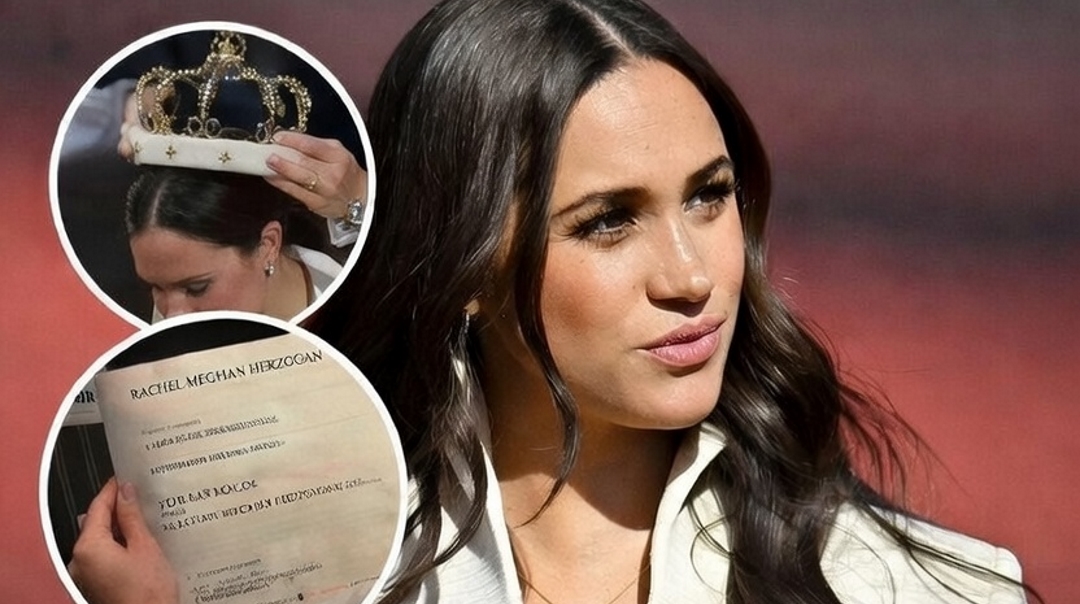
Prince Harry has made similar shifts, increasingly presenting himself as a private individual rather than a royal emissary. Together, the couple has emphasized family life, mental health advocacy, and independent work as the core of their post-royal identity.
Royal commentators caution against overinterpreting the move. Titles, they argue, are not erased by branding decisions, and the Sussexes remain part of royal history regardless of how they choose to present themselves day to day.
Still, symbolism matters. Names shape perception, and perception shapes legacy. Markle’s choice reflects an ongoing effort to define herself on her own terms rather than through an inherited structure that never fully fit.
Public reaction remains divided. Some see empowerment and clarity; others see rejection and inconsistency. That divide mirrors the broader conversation around Markle herself—admired by many, criticized by others, rarely ignored.
As analysis of the Sussexes’ royal exit has shown, the fallout from their departure continues to evolve years later. Each decision builds upon the last, shaping how their story is understood over time.
For Markle, the name adjustment appears less about erasing the past and more about controlling the future. Royal life may always be part of her story, but it no longer defines the whole narrative.
In an era where identity is increasingly self-directed, her choice reflects a broader cultural shift. Titles can be inherited, but meaning is chosen. And for Meghan Markle, that choice seems to be pointing steadily away from the palace.
Whether the change will have long-term implications remains to be seen. What’s clear is that Markle continues to make her moves quietly, deliberately, and on her own timeline—regardless of how loudly the world reacts.