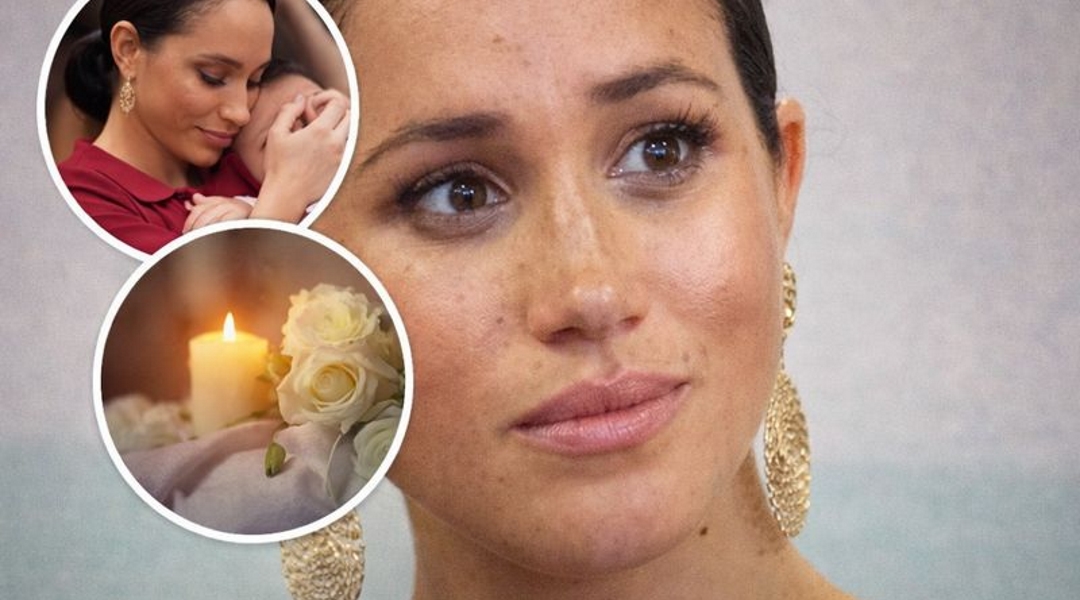
That’s why fact-checking matters here, even if the topic is emotional. A reliable rundown of what Markle actually disclosed — and when — is still available in coverage of her original miscarriage revelation, where the focus is on the loss itself rather than rumor fuel, including the report detailing her miscarriage disclosure and the public response that followed.
At the same time, the rumor ecosystem around “heartbreaking announcements” has become so persistent that it has required repeated debunks. There have been waves of posts claiming fresh baby news that never existed, and outlets have had to clarify what’s real versus what was manufactured for clicks, with a fact-check breaking down the false viral claim and explaining how the story got distorted.
None of this changes the emotional core that keeps pulling people in: a mother describing the moment she lost a pregnancy and the ache that followed. It’s a story that doesn’t expire just because time passes, and it’s understandable that it still hits hard when people see it again.
But there’s a difference between being moved by someone’s pain and using it. The internet’s habit of resurfacing tragedy as “new” content doesn’t just mislead readers — it reduces real grief into a repeatable format, and it trains audiences to respond with outrage first, understanding later.
If anything, the renewed attention should be a reminder to slow down before sharing. Check the date. Check the source. Ask whether you’re spreading something truthful or just forwarding a feeling. Because when the subject is pregnancy loss, the cost of careless virality isn’t abstract. It lands on real people — including the ones reading quietly because they’ve lived it too.