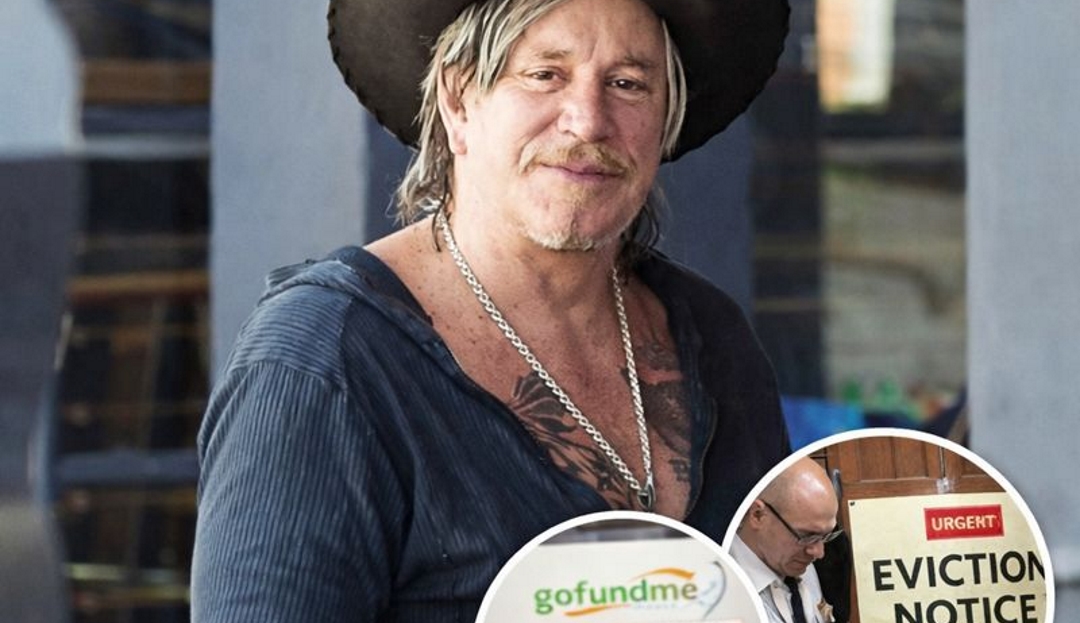
Mickey Rourke is facing growing scrutiny after reports surfaced that the actor turned to GoFundMe amid claims he was at risk of eviction, triggering a wave of backlash and disbelief online. The situation has quickly escalated into a broader debate about celebrity hardship, transparency, and where public sympathy draws the line.
The controversy began after a fundraising campaign linked to Rourke circulated on social media, prompting questions about why a Hollywood star with decades of high-profile work would need public donations. Coverage outlining the campaign spread rapidly through entertainment news reporting, drawing mixed reactions from fans and critics alike.
According to descriptions attached to the fundraiser, Rourke was allegedly facing mounting financial pressure tied to housing instability and medical costs. Supporters argued the situation highlighted how quickly fortunes can change in the entertainment industry, a reality previously explored in industry analyses of post-career financial collapse.
Others weren’t convinced. Critics pointed to Rourke’s past earnings, luxury lifestyle, and recent appearances, questioning whether the fundraiser accurately reflected desperation. Skepticism intensified as commentators revisited prior celebrity crowdfunding controversies documented in reporting on GoFundMe misuse accusations.
The backlash grew louder as screenshots of the campaign circulated, with some accusing the effort of exploiting goodwill during a time when many donors are struggling themselves. Online discussions compared the situation to earlier cases where celebrities faced criticism for soliciting funds despite access to assets or alternative income streams.
Rourke has not directly addressed the criticism in detail, though people close to him have suggested the actor’s financial situation is more fragile than the public assumes. Former box-office stars often face steep declines once roles dry up, especially when compounded by health issues — a trend examined in long-form coverage of Hollywood burnout.
Housing insecurity adds another layer to the controversy. Eviction threats, even among public figures, have surged in recent years, with rising rents and legal disputes affecting renters across income brackets, according to national housing reporting. Supporters argue that fame does not exempt anyone from those pressures.
Still, the optics remain uncomfortable. Critics say transparency matters most when asking for public money, especially from fans who may be less financially secure. Legal experts have noted that while crowdfunding is not illegal, misleading framing can damage credibility, a point emphasized in coverage of fundraising ethics.
The episode has reignited questions about how society views fallen celebrities — whether they are cautionary tales, victims of an unforgiving industry, or simply figures struggling to adapt when spotlight and income fade. The answers often depend on how clearly the truth is communicated.
For now, the GoFundMe campaign has done more than raise money. It has reopened uncomfortable conversations about fame, accountability, and who the public believes deserves help when the curtain finally comes down.