In this case, the backlash unfolded rapidly across social media. Clips of her remarks circulated widely, drawing both applause and outrage. Supporters framed her stance as an expression of personal belief and free speech. Critics argued her comments marginalized transgender individuals and contradicted the inclusive direction many pageant systems have adopted.
The former titleholder later released her own statement defending her position. She maintained that she had spoken honestly when asked about language and gender identity, and said she did not intend to harm anyone. At the same time, she acknowledged that her views differ from those of the organization that crowned her.
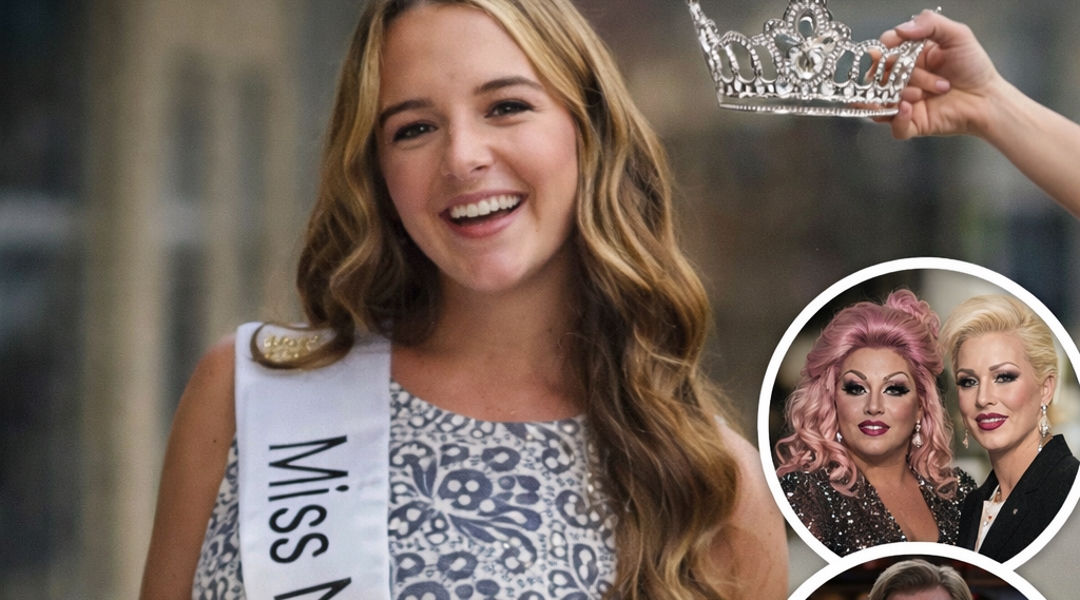
The pageant’s leadership moved swiftly. After consultations and review, they announced her removal and confirmed that a successor would assume the role. The crown, symbolic and ceremonial, was formally transferred — an act that signaled the finality of their decision.
Observers note that beauty pageants have undergone significant evolution over the past decade. Once primarily focused on appearance and stage performance, many competitions now emphasize advocacy, social engagement, and representation. The inclusion of transgender contestants in major pageants, including Miss Universe, reflects that broader transformation. As detailed in coverage from CNN, organizations have increasingly embraced policies designed to reflect changing societal norms.
For some, this shift represents progress. For others, it underscores a widening cultural divide.