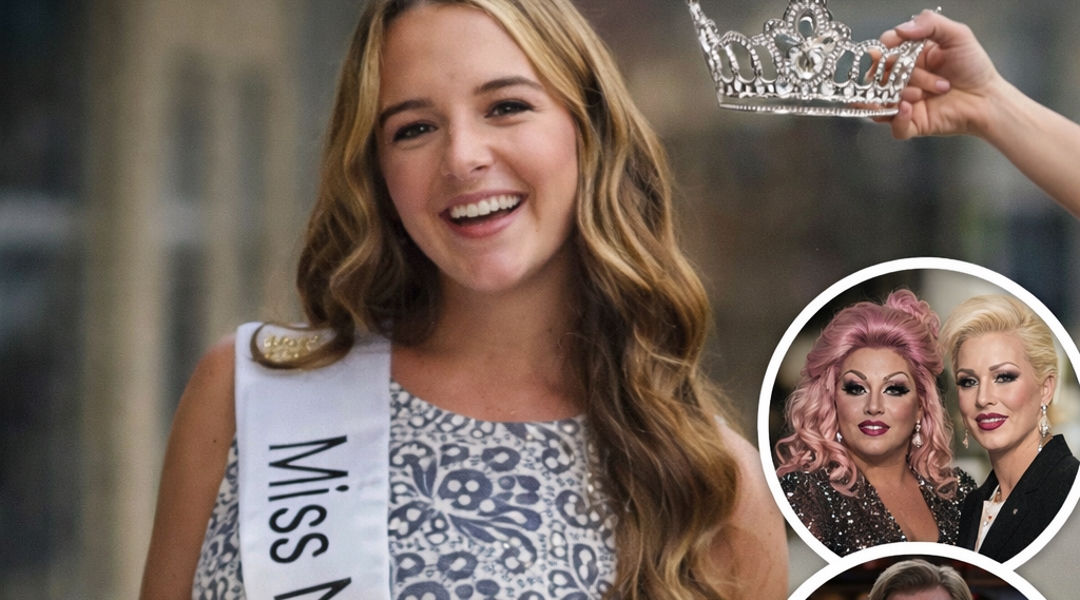
In North Florida, community reactions mirrored that national split. Some local residents expressed disappointment in the organization’s decision, arguing that personal beliefs should not automatically disqualify someone from holding a ceremonial title. Others praised officials for acting decisively, insisting that leadership roles tied to public representation demand alignment with inclusive principles.
Behind the headlines lies a young woman whose year of appearances, charity events, and pageant preparations abruptly ended. Friends described her as dedicated and sincere. They say she worked hard for the crown and never anticipated that a single exchange would alter her trajectory so dramatically.
Legal analysts note that private organizations generally retain the authority to set conduct standards for representatives. Titles, sponsorships, and contracts often include clauses allowing removal if conduct is deemed inconsistent with organizational missions. While public offices are bound by constitutional free speech protections, private pageant systems operate under different rules.
Still, the optics of revoking a crown over a public comment carry symbolic weight. Beauty pageants have long occupied a space where image, messaging, and cultural values intersect. A titleholder’s words are not merely personal — they become associated with the brand itself.
In interviews following her removal, the former Miss North Florida reiterated that she stands by her beliefs. She described the experience as both painful and clarifying, saying it revealed how deeply divided opinions remain on issues of identity and language.
The pageant organization, for its part, has emphasized moving forward. Officials reaffirmed their commitment to inclusivity and respect, stating that their mission includes providing a platform that welcomes diverse identities and perspectives. They declined further comment beyond their official release.
As the story continues to circulate online, it has become less about a single pageant and more about the broader tension shaping cultural discourse. Supporters on both sides view the episode as emblematic of larger debates — about speech, inclusion, tradition, and change.
For the young woman at the center of it, the tiara is gone. The photographs remain. So does the controversy.
Whether the decision will fade from public attention or remain a flashpoint in ongoing discussions about gender and representation is unclear. What is certain is that a local pageant title, once confined to parades and ribbon cuttings, has become part of a national conversation — one that shows no signs of quieting anytime soon.