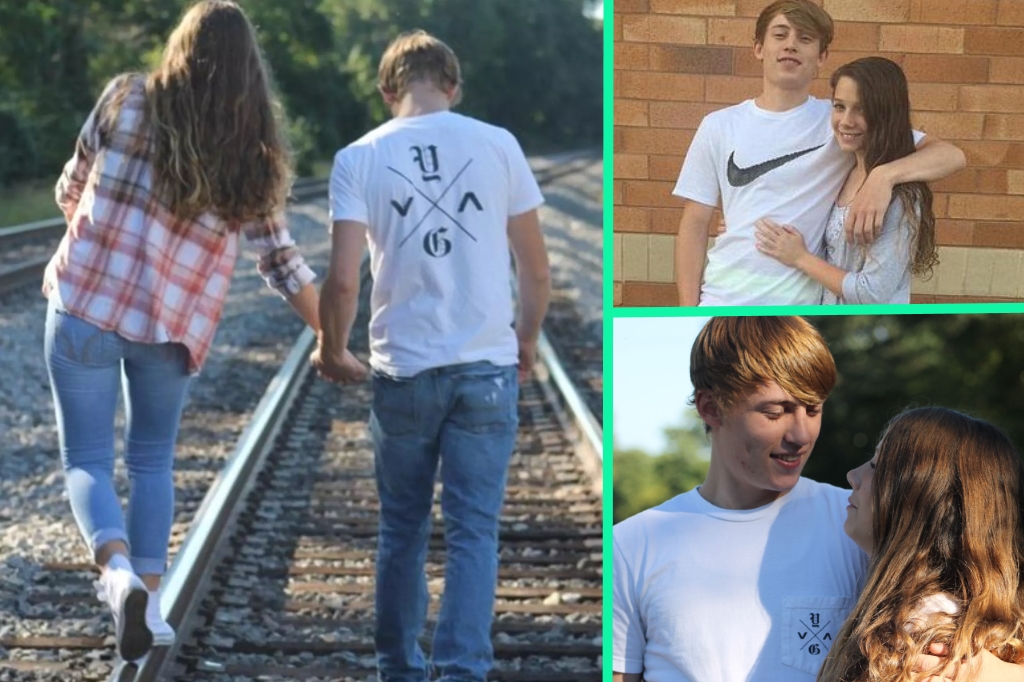
The image is almost unbearably ordinary — a 16-year-old boy leaning against a railing, his arm draped casually around his girlfriend’s shoulders, his sister just inches away. Seconds later, according to police, he would be dead, felled by gunfire on a quiet street that should have been safe. That single photo, taken moments before the killing, is now at the center of a murder investigation shaking the community to its core.
Authorities in NBC News reports say the shooting happened just after 8 p.m. last Friday in a suburban neighborhood known for its tree-lined streets and family-owned shops. The boy, identified by friends as Jayden Ortiz, had been walking home from a nearby park with his girlfriend, 15-year-old Mia, and his 13-year-old sister Sofia. The three were laughing about a photo Mia had just taken when a car rolled up alongside them.
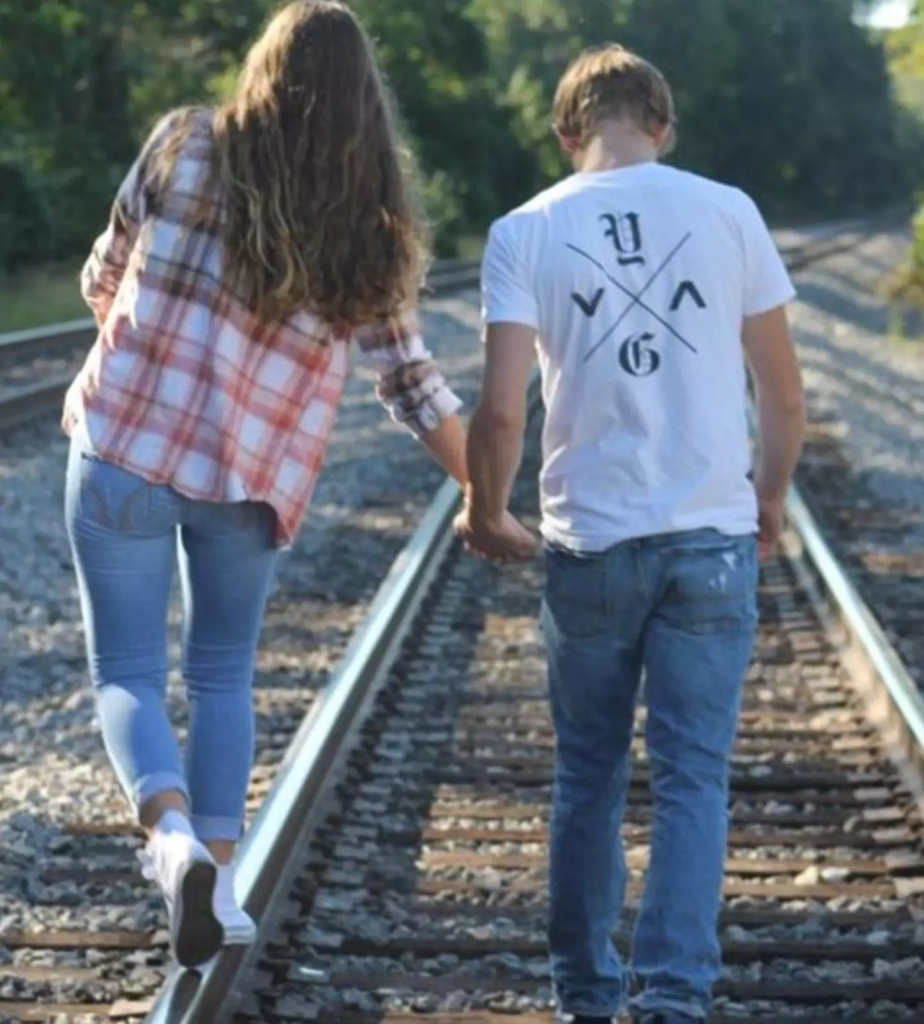
Witnesses told CNN they saw a man lean out of the passenger window and shout something at Jayden before firing multiple rounds. “It was so fast, like two seconds,” said one resident, who asked not to be named. “The car didn’t even stop completely. They just pulled up, yelled, and then — pop, pop, pop.”
The shooter sped off as Jayden collapsed onto the pavement. Mia screamed for help while Sofia ran to flag down a passing driver. Paramedics arrived within minutes, but The Washington Post reports he was pronounced dead at the scene. Police say the photo taken moments earlier, timestamped at 8:03 p.m., has already been turned over as evidence.
Police confirm the image circulating online was taken less than 60 seconds before 16-year-old Jayden Ortiz was shot dead. They’re urging anyone with information on the vehicle to come forward. #JusticeForJayden— Crime Watch (@CrimeWatchDaily) August 9, 2025
The boy’s family, speaking to The New York Times, described him as “the protector” of his younger sister and “a kid with a smile that could stop you in your tracks.” His mother, Ana Ortiz, said the cruelest part is knowing that her son’s final moments are preserved in a photo that now feels both precious and unbearable. “It’s the last time I’ll see him alive,” she said through tears. “And I can’t stop looking at it, even though it breaks me.”
Investigators believe the shooting may have been a targeted attack, though they have not ruled out mistaken identity. A senior law enforcement official told ABC News that gang retaliation is one possible angle, but they have yet to find any direct link between Jayden and known gang members. Detectives are also analyzing surveillance footage from businesses along the street, hoping to identify the vehicle — described as a dark-colored sedan with tinted windows.
For residents, the killing is a gut punch. “We’ve had our share of trouble, but nothing like this,” said Luis Ramirez, who owns a bodega near where the shooting occurred. He told The Los Angeles Times he heard the shots while stocking shelves and ran outside to see Mia clutching Jayden’s body. “She was screaming his name, over and over,” he said. “It’s something I’ll never forget.”
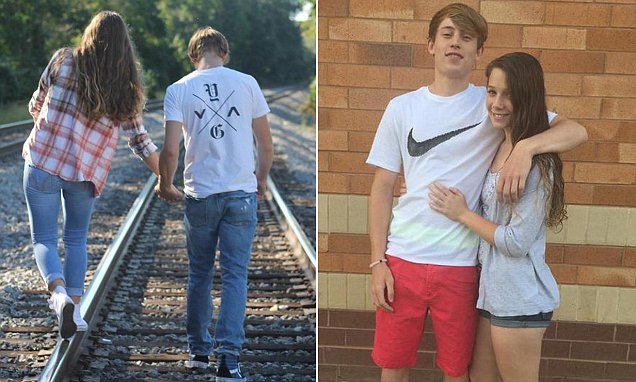
A GoFundMe for Jayden’s family has raised more than $25,000 in 48 hours. His mother says the money will cover funeral costs and help the family relocate. #JusticeForJayden— Local News Now (@LocalNewsNow) August 9, 2025