
Donald Trump’s declaration that peace between Russia and Ukraine is “closer than ever” landed with confidence — and was met in Moscow with a sharply different tone. Within hours, Russian officials signaled skepticism, underscoring how far apart rhetoric and reality remain as the war grinds on with no visible ceasefire.
Trump’s comments, delivered as part of his broader claim that he could quickly end the conflict if returned to office, were seized on by supporters as evidence of deal-making strength. In Moscow, however, the response was far colder, suggesting that any notion of imminent peace was premature at best and misleading at worst.
Kremlin-linked voices emphasized that Russia’s military objectives have not changed, despite diplomatic speculation circulating in Western media. Statements analyzed in recent briefings made clear that Moscow sees no reason to adjust its demands based on campaign-trail optimism.
Russian officials have repeatedly insisted that peace would require Ukraine to accept territorial losses and security conditions Kyiv has categorically rejected. Those positions, outlined in earlier disclosures, remain unchanged even as outside figures float alternative scenarios.
Peace doesn’t arrive because someone says it’s close. It arrives when conditions change. — Dmitri Alperovitch (@DAlperovitch) Dec 2025
Trump’s assertion also drew scrutiny from Western diplomats who cautioned against overstating progress. European officials privately noted that no formal negotiations are underway, a reality reflected in diplomatic reporting tracking stalled backchannels.
Ukraine’s leadership reacted cautiously. While Kyiv has welcomed international pressure on Moscow, President Volodymyr Zelenskyy has repeatedly warned against peace plans that reward aggression, a stance reiterated in recent remarks addressing proposed compromises.
Russian state media framed Trump’s comments as political theater, suggesting they were aimed more at American voters than at resolving the conflict. Analysts reviewing coverage in media monitoring noted a consistent effort to portray Western figures as detached from battlefield realities.
Moscow isn’t preparing for peace. It’s preparing for leverage. — Julia Ioffe (@juliaioffe) Dec 2025
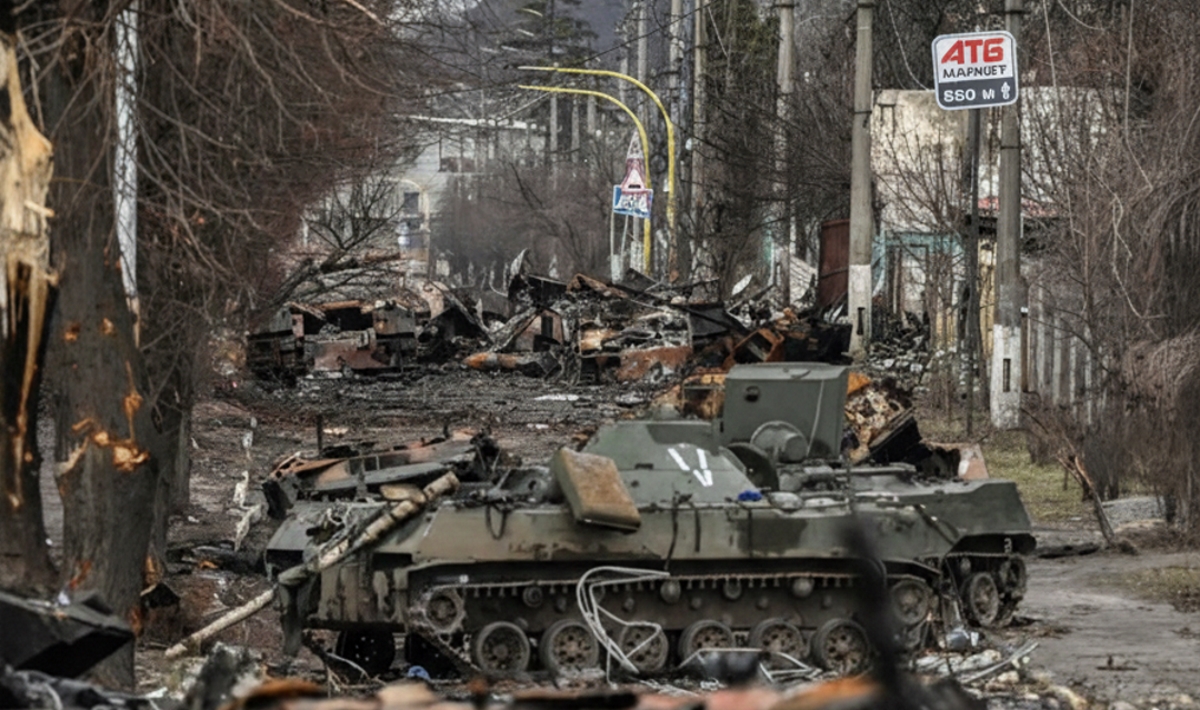
Military analysts point out that fighting has intensified in several regions, undermining claims of imminent resolution. Satellite imagery and field reports referenced in conflict assessments show continued offensives rather than de-escalation.
Trump’s supporters argue that his unpredictability is precisely what could force negotiations, citing his past dealings with adversarial leaders. That argument has resurfaced repeatedly in retrospective analysis examining his first-term approach to diplomacy.
Critics counter that overconfidence risks undermining allies and emboldening Moscow. Foreign policy scholars warn that premature declarations of peace can weaken bargaining positions, a dynamic explored in strategic studies focused on signaling during wartime.
Saying peace is near doesn’t make it so — especially when tanks are still moving. — Michael McFaul (@McFaul) Dec 2025
The disconnect between Trump’s optimism and Moscow’s response highlights a broader challenge facing any future negotiations. Russia has shown a willingness to wait out political cycles, while Ukraine depends heavily on sustained Western support, a tension outlined in long-range forecasts assessing the war’s trajectory.
Public reaction in the United States has been sharply divided. Some voters welcome any hint of resolution after years of conflict, while others fear that talk of quick peace masks concessions that would redraw borders by force, sentiments reflected in attitude surveys measuring war fatigue.
For Moscow, the response served a clear purpose: to signal that Russia will not be rushed or pressured by external political narratives. Kremlin strategists have long emphasized patience as a weapon, a philosophy examined in geopolitical analysis of Russian war aims.
Trump’s statement may resonate on the campaign trail, but the reaction from Moscow reveals a harsher truth. Peace is not merely a declaration — it is the product of concessions, leverage, and trust, none of which appear closer today than they were months ago.
As the war continues and rhetoric escalates, the gap between political promises and battlefield realities remains stark. Moscow’s response makes one thing clear: whatever peace looks like in the future, it is not arriving simply because someone says it is near.