
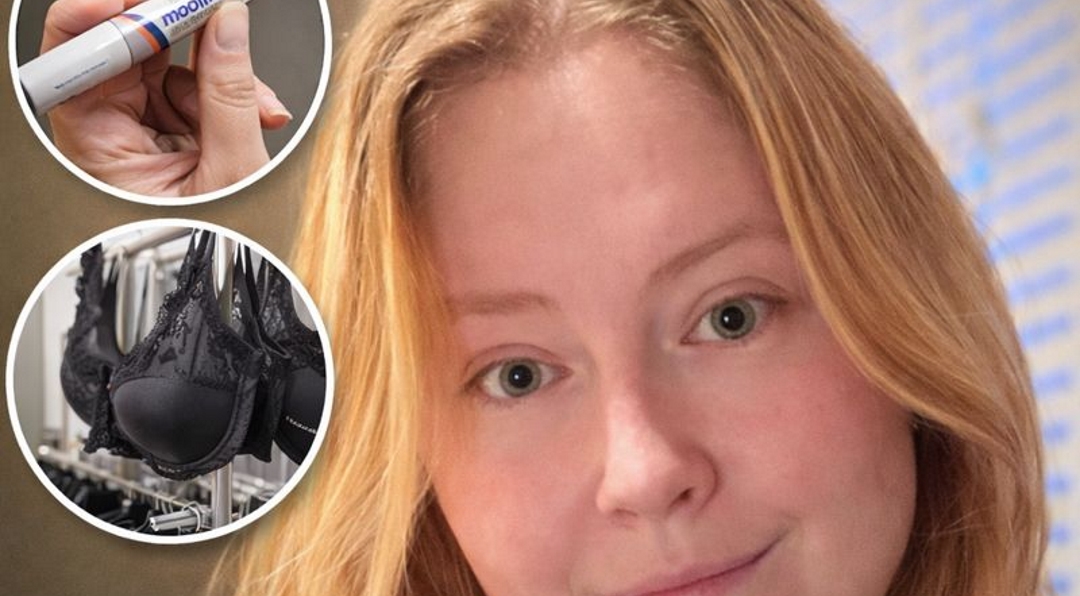
Even without making any definitive medical claims, stories like this raise a real-world point people don’t like to say out loud: weight-loss medications can come with side effects that aren’t just “a little nausea.” And even when an effect is rare, unpredictable, or not fully understood, it still happens to somebody—meaning the person living it can feel isolated, doubted, or blamed.
If someone experiences rapid breast growth, severe pain, skin changes, or any sudden body changes while taking any medication, doctors generally urge getting evaluated quickly. Not because every change is dangerous—but because the body sometimes signals bigger problems through sudden shifts, and the safest move is to rule out serious causes rather than trying to self-diagnose through comment sections.
The other uncomfortable truth is that women’s bodies—especially breasts—get treated like public property. When a story involves dramatic changes, the internet often reacts with a mix of voyeurism, jokes, and cruelty, even when the person is clearly describing discomfort. That dynamic can discourage people from speaking up about side effects at all, which is the opposite of what public health conversations need.
Right now, her story sits in that loud, viral space where personal health becomes content. Some people read it as a cautionary tale about medication. Others see it as a rare medical situation being flattened into a click-driven headline. Either way, it’s sparked a reaction because it taps into something raw: the fear that you can do everything “right,” chase a better life, and still end up shocked by what your body does next.