
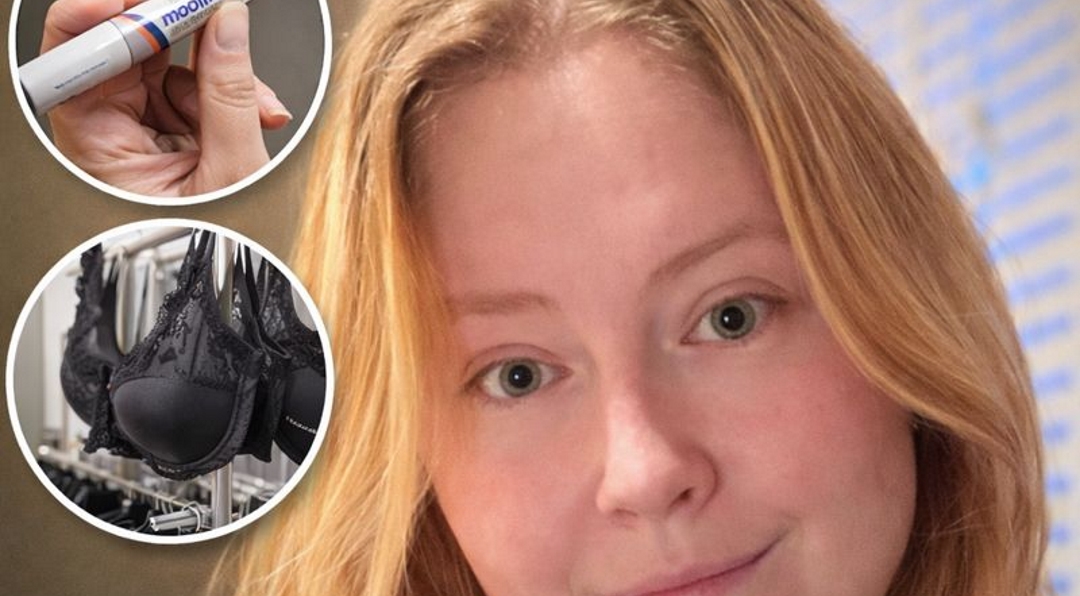
When people talk about taking Mounjaro, the conversation usually starts the same way: the appetite quiets down, the cravings soften, the scale finally moves. But one woman says her story veered into something she never expected, because while her body was changing in one direction, her breasts were doing the exact opposite.
In interviews and posts shared online, she described starting the medication for weight loss and then noticing a rapid, dramatic shift in her chest that didn’t fit the “normal” weight-change narrative people are used to hearing. Her claim was blunt and almost unbelievable: her bra size surged to 34NN while she was taking Mounjaro.
The reason the story has gotten so much attention is because it lands right on a cultural fault line. A lot of people treat weight-loss drugs like a clean before-and-after montage, but real bodies don’t work like that, and side effects—common or rare—can turn a personal health decision into a public spectacle in a heartbeat.
She’s been described as someone who already had a fuller chest, but said the growth didn’t feel like a gradual change or a simple “I gained a little weight” fluctuation. She framed it as relentless, uncomfortable, and emotionally draining—something that affected posture, clothes, movement, and confidence, with strangers reacting before she could even process what was happening herself.
It’s important to separate what Mounjaro is known to do from what’s being alleged here. The medication (tirzepatide) is used for diabetes and, in some regions and contexts, weight management—working through hormone pathways that affect appetite, insulin, and digestion, with side effects that can include gastrointestinal issues like nausea, vomiting, diarrhea, constipation, and stomach discomfort, as detailed in official prescribing information like the manufacturer’s medication guide and related materials.
Breast growth isn’t typically the headline people associate with it, which is exactly why this woman’s account hit so hard online. Her story has been repeated across tabloids and viral reposts, including a widely shared write-up from a UK entertainment outlet’s post that framed the situation as a shocking “unexpected side effect.”
What makes the situation complicated is that dramatic breast enlargement can happen for reasons that have nothing to do with a specific drug—things like hormonal shifts, pregnancy-related changes, certain medical conditions, or rare breast-growth disorders. Some stories circulating alongside hers use the term “gigantomastia,” a rare condition involving extreme breast tissue growth that can be painful and physically disabling.
That’s where a lot of the online discourse gets messy. People see one viral claim and immediately decide the drug “caused” it, while others dismiss the woman outright, as if there’s no space for the uncomfortable middle: a person reporting an intense physical change while the public tries to force a neat explanation onto something that may be medically complex.
In her telling, the emotional toll is almost as central as the physical one. She described struggling to find clothing that fit, dealing with stares, and feeling like her body became a conversation topic for strangers. It’s the kind of thing that can make someone feel trapped inside their own skin—especially when the internet is treating it like entertainment.
There’s also the brutal irony of it. Many people who lose weight report that their breasts shrink, sometimes dramatically, because breast tissue contains fat and can reduce with weight loss. Her experience—again, as described—reads like a betrayal of expectation: she took something hoping to feel more comfortable in her body, and instead wound up dealing with a change that made daily life harder.
Even without making any definitive medical claims, stories like this raise a real-world point people don’t like to say out loud: weight-loss medications can come with side effects that aren’t just “a little nausea.” And even when an effect is rare, unpredictable, or not fully understood, it still happens to somebody—meaning the person living it can feel isolated, doubted, or blamed.
If someone experiences rapid breast growth, severe pain, skin changes, or any sudden body changes while taking any medication, doctors generally urge getting evaluated quickly. Not because every change is dangerous—but because the body sometimes signals bigger problems through sudden shifts, and the safest move is to rule out serious causes rather than trying to self-diagnose through comment sections.
The other uncomfortable truth is that women’s bodies—especially breasts—get treated like public property. When a story involves dramatic changes, the internet often reacts with a mix of voyeurism, jokes, and cruelty, even when the person is clearly describing discomfort. That dynamic can discourage people from speaking up about side effects at all, which is the opposite of what public health conversations need.
Right now, her story sits in that loud, viral space where personal health becomes content. Some people read it as a cautionary tale about medication. Others see it as a rare medical situation being flattened into a click-driven headline. Either way, it’s sparked a reaction because it taps into something raw: the fear that you can do everything “right,” chase a better life, and still end up shocked by what your body does next.